
Opening: a persistent sourcing problem
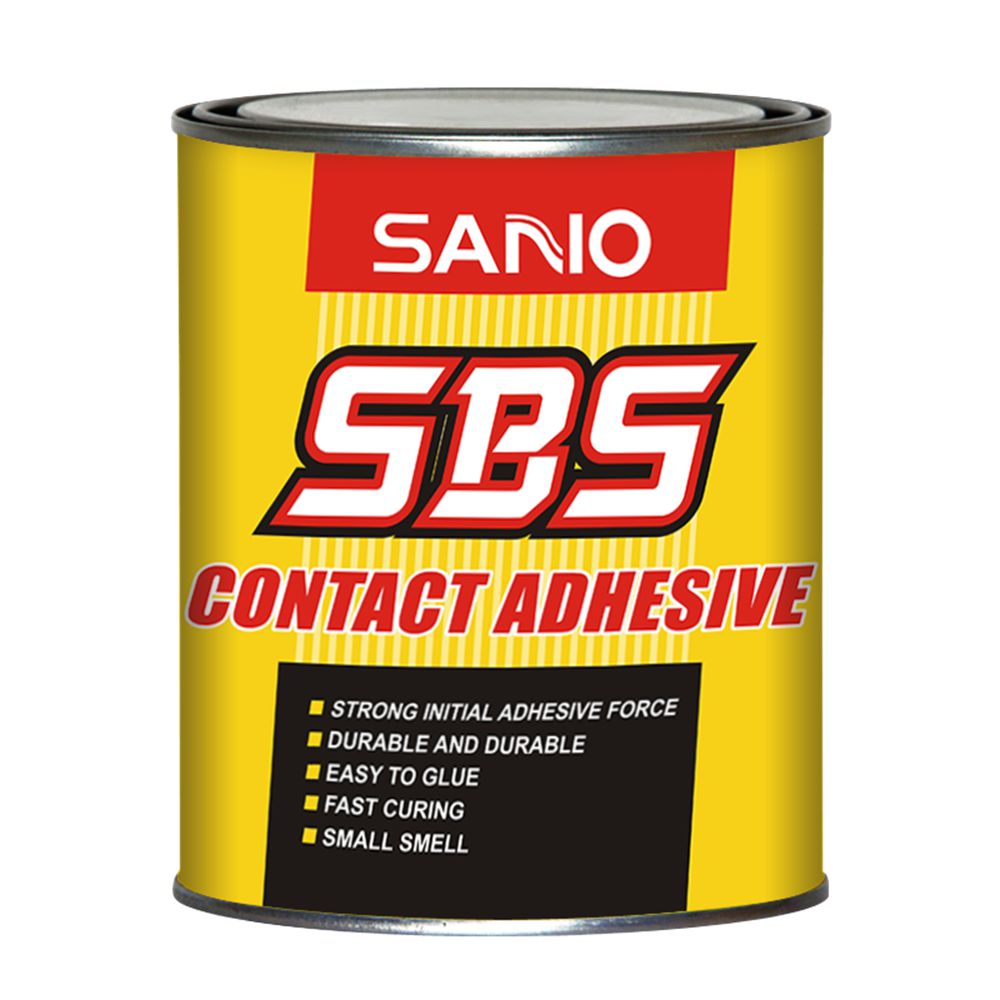
Manufacturers and maintenance teams routinely face the same problem: an adhesive that looked suitable on paper fails on the production line. That failure costs time, material and client confidence. When the task is bonding complex substrates at scale, teams turn to proven contact adhesives because they give immediate tack and fast assembly—but only when the grade, cure profile and application method match the use-case.

The root causes that keep recurring
Wrong specification is the most common fault. Buyers choose a product based on one parameter—tack or price—then discover thermal resistance, solvent compatibility or open time is inadequate. Supply-chain mismatches follow: lead times that don’t account for batch testing, or storage conditions that degrade reactive chemistries. The result is rework on the floor and ad-hoc fixes that never fully address the original mismatch.
Technical checks that stop failures
Ask direct questions and insist on data. Verify adhesive class, substrate surface energy, expected service temperature and solvent exposure. Demand test data for peel and shear at the temperatures you actually use. Match pot life to your line speed. Don’t accept general claims; require numeric values and lab conditions. This is practical: an adhesive rated to 80°C in short-duration tests can fail under continuous 60°C exposure if plasticisers migrate.
Common pitfalls during scale-up
Small-batch success can mask scale-up risks. Mixing intensity alters viscosity. Storage time affects solvent-based systems. Application equipment—roller, spray or brush—changes film thickness and therefore cure and bond strength. Trial on a representative subassembly, not just bonded coupons. Monitor environmental variables on the line; humidity and surface contamination matter more than many procurement teams assume.
Experience, authority and a real-world anchor
Field experience matters: engineers who have overseen adhesive trials in major Indian chemical hubs recognise these patterns quickly. The industrial clusters around Ankleshwar, Gujarat, regularly host suppliers and OEMs for product trials and joint validation, a practice documented in trade coverage and industrial surveys. For buyers seeking a specialist partner, consulting a reputable contact adhesive manufacturer that publishes test data and supports on-line trials reduces uncertainty and shortens qualification time.
Alternatives and quick evaluation grid
Consider hot-melt, solvent-based contact adhesives, and pressure-sensitive adhesives as alternatives; each has trade-offs. Hot-melts cure fast but need precise temperature control. Solvent-based systems offer adjustability but demand ventilation and longer off-gassing. Pressure-sensitive tapes eliminate wet chemistry but may not meet shear strength for structural joins. Use a simple grid: required bond strength, thermal exposure, application speed, regulatory limits. Score options against your highest-risk parameter and pilot accordingly.
Final synthesis and practical next step
Stop guessing. Define the failure mode you must prevent, test under representative conditions, and require documented performance from your supplier. That clarity turns repeated line stoppages into single, solvable engineering tasks, and it’s the sort of practical outcome that engineers in procurement and production value from a partner like SANVO.