
What’s the problem — cars circling, patience gone
Drivers spin blocks, tempers flare, revenue leaks — that’s the scene when a garage ain’t set up right. You want signs that show real-time spaces and don’t look like relics from the ZX Spectrum era; you want a car parking display that’s readable, reliable, and doesn’t ghost at night. Fix the info flow and you cut circling time, reduce incidents, and stop giving away premiums to lost customers. Plain fact: poor guidance equals wasted hours and annoyed people.
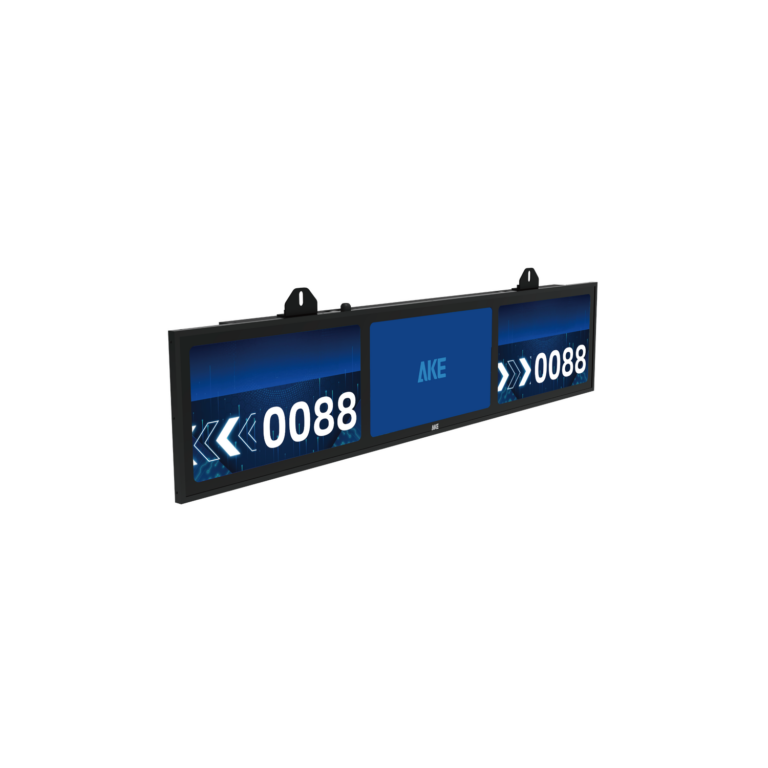
Experience and evidence — why a smart display matters
I’ve sat through installations and stress-tested software at municipal lots, so I know what fails first: displays with weak contrast, flaky comms, and zero redundancy. Big ops learned this the hard way — think crowd spikes around the 2012 London Olympics when organizers leaned on dynamic signs and streamlined wayfinding to move cars faster. That kind of event showed why clear visual cues matter; it’s why teams deploy a proven parking display board as part of the solution. Trust comes from repeatable installs, measured uptime, and readable dashboards that ops folk can actually use during peak stress.
Design choices that solve real problems
Start with clarity: displays must be legible from the entrance distance you expect, with contrast and brightness tuned for sun and tunnel light. Pick sensors that report true occupancy, not just ticket counts. Connect via dual-path networks — wired primary, cellular backup — so a single outage doesn’t blind the whole garage. Make the UI dumb-simple for drivers: arrow, count, color. Match display refresh rates to event cadence; don’t push updates faster than your sensor confidence. Design for maintainability: modular panels, hot-swappable controllers, and firmware that can be staged and rolled back. Build security into comms; encrypt telemetry and lock down device management interfaces. That’s how you stop small faults from cascading into a full shutdown.
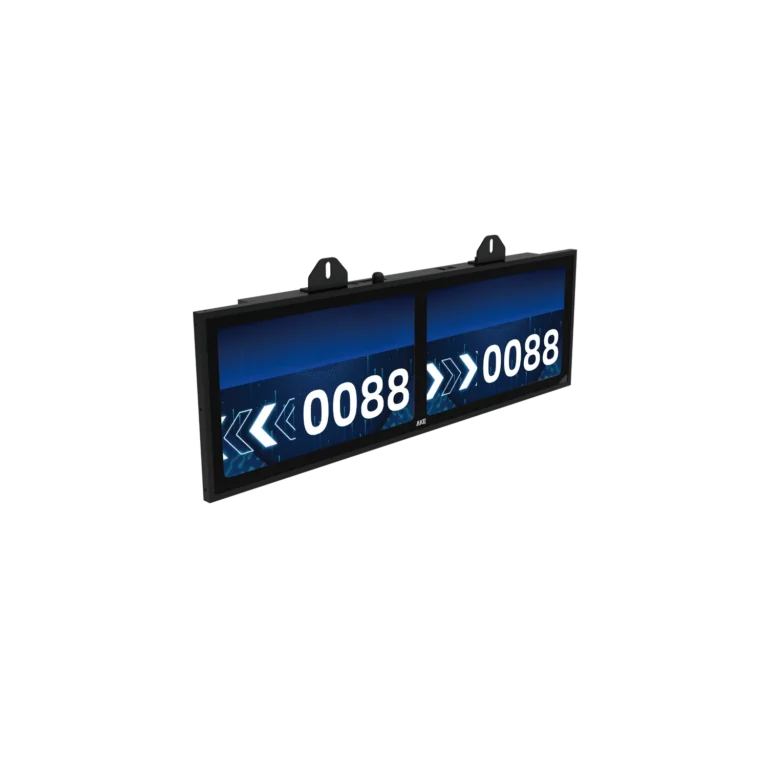
Common pitfalls that keep projects stuck
Buying the prettiest screen without testing ambient light kills readability. Trusting a single vendor for sensors, gateway, and cloud without validation means slow fault isolation. Over-customizing dashboards makes field techs hate you — standardize. Forgetting to budget for spare parts and periodic calibration turns low-cost installs into expensive maintenance cycles. And skipping user testing — drivers and attendants — yields interfaces no one uses. Fix those and you stop firefighting.
Alternatives and trade-offs to weigh
Optical camera systems give heatmaps and enforcement data, yet raise privacy and processing costs. Loop sensors are cheap and reliable but miss transient events in tight bays. Ultrasonic sensors sit between price and accuracy. Cloud-first solutions speed analytics but can be blind during WAN outages; edge-enabled controllers preserve local guidance. Decide whether you need rich telemetry or pure guidance. If you want both, partition responsibilities: edge handles immediate displays, cloud handles analytics and long-term planning.
Quick, gritty checklist before you buy
Confirm readable distance and viewing angle for each entry. Validate sensor detection rates in live traffic, not in lab conditions. Require dual-network options and on-site health indicators. Ask for a test deployment window with SLA metrics for uptime and update latency. Insist on accessible firmware rollback and spare-module availability. Get a clear map of who owns what in maintenance and incident response. That list keeps vendors honest and projects moving.
Where this all lands — practical value, no hype
Fix the guidance bottleneck and drivers stop circling; staff stop guessing; revenue and safety improve. Real projects that combine clear displays, rugged sensors, and sane networking cut dwell time and complaints. For teams wanting proven hardware and real deployment know-how, look at partners who publish field results and support staged rollouts, like AKE Parking, because reliable equipment and operational experience are the things that actually make parking systems work on real streets, not just in slide decks.