
Comparative opening: small part, big effects
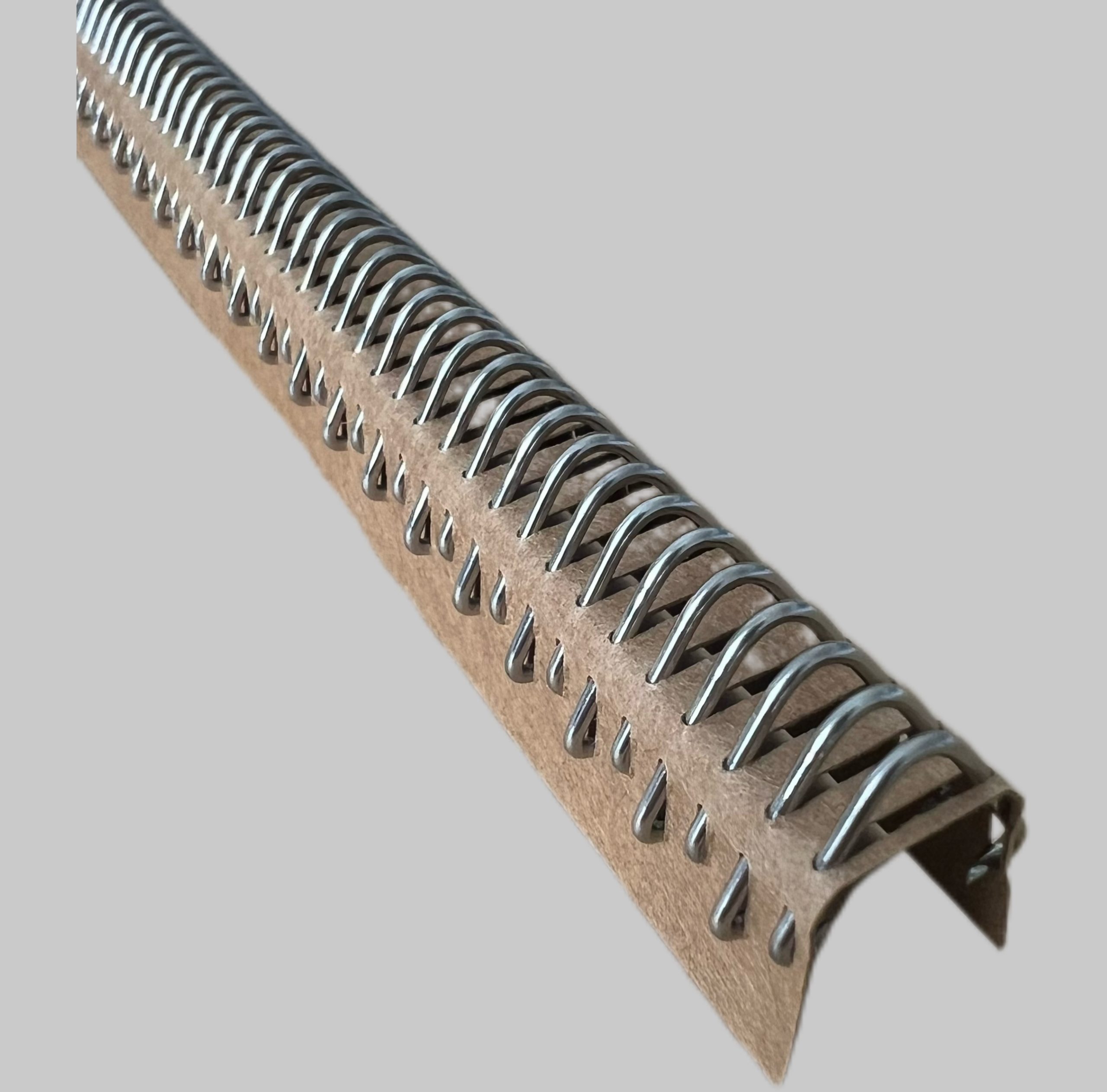
Think of a conveyor like a living lung: crank the airflow and intake stable, and everything breathes easier. The difference comes down to tiny mechanical decisions — the pivot pin, bushing choice, and fit tolerances. In many retrofit projects the single most overlooked upgrade is a better conveyor belt hinge pin, and swapping the old, worn pins for modern designs often cuts dust buildup, vibration, and misfeeds with minimal fuss.
Old-school pins versus the new wave
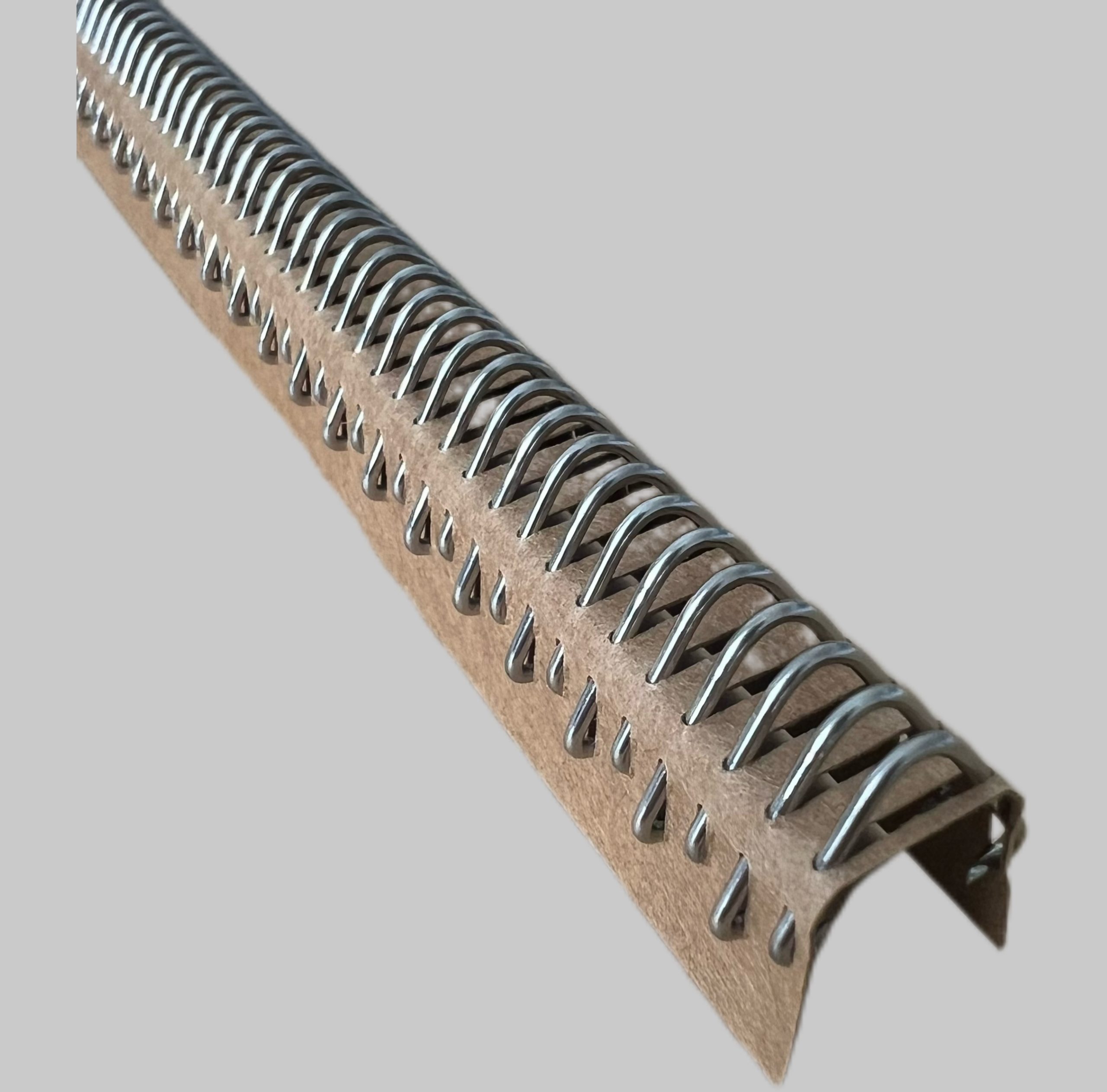
Older pins were simple steel rods: cheap, serviceable, but prone to ovaling under repeated load and poor shaft alignment. Newer hinge pins come with surface hardening, tighter tolerances, lubrication grooves, and replaceable bushings that control wear pattern and reduce metal-to-metal contact. Material upgrades — stainless or case-hardened alloys — improve corrosion resistance and tensile strength, while better geometry reduces chain articulation losses. The result is less slop, fewer jams, and steadier intake of boxes, granules, or parts.
How airflow and intake stability actually improve
When pins run true, the belt tracks better and the conveyor’s idlers don’t wobble. That stabilizes the loading zone so material enters the system evenly, reducing localized air turbulence that lifts dust into fans and motor intakes. Cleaner airflow means less clogging of cooling fins and filters, which keeps motor temperatures down and lubrication life longer. The engineering terms here are simple: reduced vibration, improved shaft alignment, and consistent wear rates — all of which preserve conveyor throughput and reduce unscheduled maintenance.
Real-world anchor: lessons from the assembly line
The value of better hinge pin design isn’t theoretical. Since the original Ford moving assembly line in Highland Park, Michigan (1913), manufacturers have known that small mechanical refinements scale. Field trials in a midwestern distribution center replacing worn pins with modern, greased designs showed smoother feeding at the intake and fewer belt-tracking corrections during peak hours — technicians reported quicker changeovers and lower rejection rates. These are practical outcomes you can measure on an hourly log or maintenance ticket.
Common mistakes and sensible alternatives
Typical errors include reusing pins beyond service limits, omitting bushings, and relying on dry-fit tolerances instead of active lubrication. Don’t assume hardness equals longevity: mismatched hardness between pin and bushing causes rapid wear. Alternatives that pay off include hardened pins with replaceable bushings, pins with lubrication grooves, and pins sized to minimize play rather than pushing the smallest possible diameter. Small expense, big returns — and if corrosion is an issue, choose stainless or coated finishes for the hinge pins link so you don’t trade one problem for another.
Advisory: three golden rules for selecting hinge pin upgrades
1) Fit and alignment tolerance: pick pins and bushings that hold concentricity under load; if alignment drifts, so will intake stability. 2) Material and service parameters: prioritize tensile strength and corrosion resistance appropriate to the environment, and verify hardness pairings between pin and bushing. 3) Serviceability and lubrication: choose designs with replaceable bushings and clear lubrication grooves so routine greasing restores geometry rather than masking wear.

Closing guidance and how Intake fits
Apply those three rules and expect measurable uptime gains, fewer belt-tracking interventions, and longer filter life from better cooling and airflow. For supply chains that need pragmatic, field-proven parts and sensible installation guidance, Intake blends parts and know-how into solutions that reduce repeat fixes — and they back components with service context from the floor to the specification sheet. –