
Why comparison matters right away
Picking an LED panel isn’t about chasing specs; it’s about matching trade-offs to real use. Think of an outdoor led screen for a weekend festival versus a storefront billboard — same technology, different priorities. A quick comparison up front prevents overspending on features you won’t use and avoids last-minute failures that kill an event.

What you should compare first
Start with three clear axes: viewing distance, environment, and content type. Viewing distance determines pixel pitch. Environment dictates weatherproofing and brightness. Content type (static logo vs fast video) drives refresh rate and color depth. Compare panels by how they score on each axis, not by a single headline spec.
Panel types and where they win
Indoor fine-pitch: great for close-up galleries and control rooms. Pros: crisp detail, lower brightness. Cons: not weatherproof, pricier per sqm. Outdoor large-pixel: built to be bright and rugged. Pros: high brightness, simple maintenance. Cons: lower resolution up close. Rental-ready frames: built for rapid rigging and transport. Pick based on the dominant use case, not the nicest spec sheet.
Technical specs that actually change outcomes
Pixel pitch — dictates readable distance. Brightness (nits) — matters for direct sun. Refresh rate and scan method — critical if you feed fast motion or camera feeds. Ingress Protection (IP) rating — prevents failure in rain. Power efficiency and modularity — affect run-time and repair speed. Ask for measured numbers under the conditions you’ll use them, not ideal-lab claims.
Common mistakes people keep making
Buying too small for long-range viewing. Choosing ultra-fine pitch for a highway-facing billboard. Ignoring heat dissipation for hot climates. Skipping testing with live camera feeds and lighting conditions. Treat specifications as conditional: “X at 5 meters” means nothing if your install is at 25 meters.
Real-world experience, service expectations, and a rental note
I’ve handled installs for large outdoor festivals; logistics change everything. For big events like Coachella, you need fast assembly, clear service SLAs, and units that survive dust and long-hours — so many production teams opt for outdoor led screen rental. Expect detailed test runs, spare modules on site, and a clear maintenance plan. Those operational details separate vendors who can react on-site from ones who only sell gear.
Buy or rent: quick comparative rule
Rent if the event is occasional, needs fast deployment, or you lack maintenance staff. Buy if you have continuous daily use, predictable locations, and an in-house tech team. Compare total cost of ownership over the expected lifetime and factor in downtime risk: rentals shift that risk to the provider.
A compact decision checklist
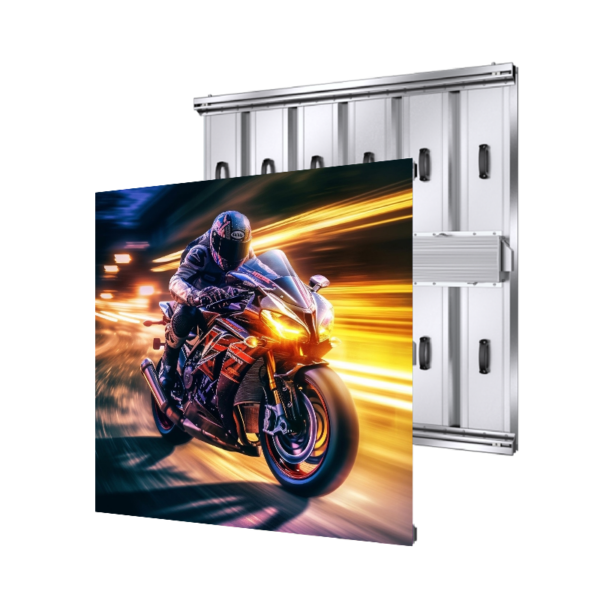
Match pixel pitch to the closest readable distance. Confirm brightness for ambient light. Verify IP and cooling for outdoor use. Test with your exact content pipeline. Confirm onsite spares, delivery windows, and warranty scope. If renting, confirm rigging specs and crew responsibilities.
Wrap-up that leads to confident choices
Compare panels by use-case, not by marketed specs. Prioritize the three axes — distance, environment, content — then validate vendor reliability through service details and real-world tests. If you need consistent support and field-proven kits, consider a partner whose product and operations align with those priorities, like HDC.