
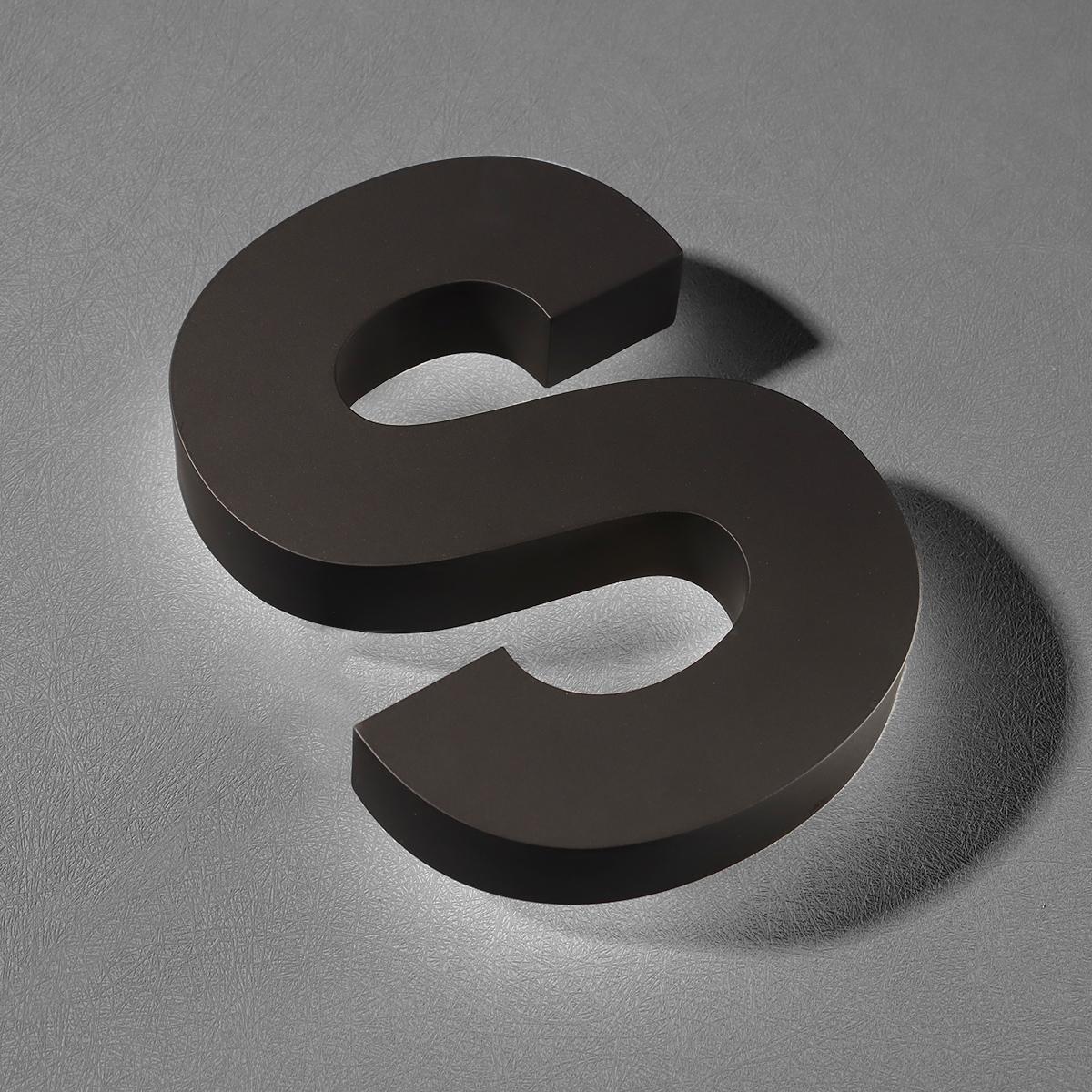
Data-led opening: why durability defines perception
The numbers matter. For a flagship façade or an illuminated pylon, Mean Time Between Failures (MTBF) becomes brand storytelling — measured in years of visible integrity, not glossy marketing lines. Retail signage at scale must survive sun, salt air, pollution and the countless hands of passersby; that reality is why installers and designers push beyond aesthetics toward engineered finishes. For a practical view of how design meets durability, consider modern retail signage projects that quantify lifespan by material and environment.
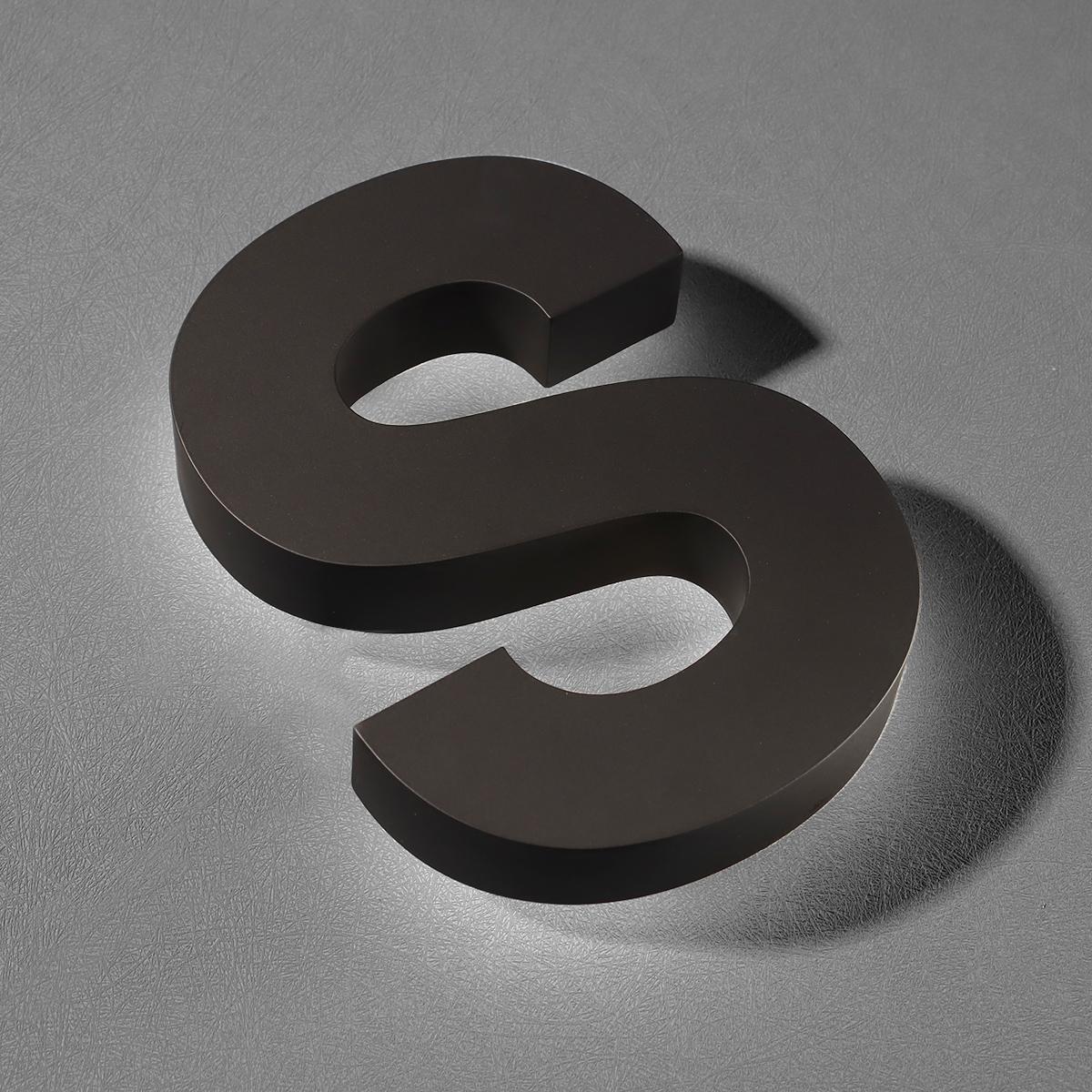
How MTBF anchors brand reliability
MTBF gives a project manager leverage. Instead of guessing when a sign will fade or corrode, you estimate operational lifespan for LED modules, substrates and the surface treatment that protects them. A higher MTBF translates into fewer maintenance cycles, steadier brand visuals and predictable budget lines for retailers. The metric is simple: fewer visible failures per year equals steadier perception in-store and on the street.
Powder coating versus anti-UV anodization — the technical split
Powder coating forms a polymer layer that resists abrasion and offers color stability; it’s flexible and forgiving on complex shapes. Anti‑UV anodization, by contrast, converts the aluminum surface into an oxide layer that bonds at the molecular level, providing an in-place, hard finish with superior corrosion resistance. Choose powder coating when you need color variety and thick-film protection; choose anti‑UV anodization when you prioritize long-term UV resistance and thin, permanent surface integrity. Both address UV degradation and corrosion, but they do so through different mechanisms — film versus conversion.
Environmental testing and a real-world anchor
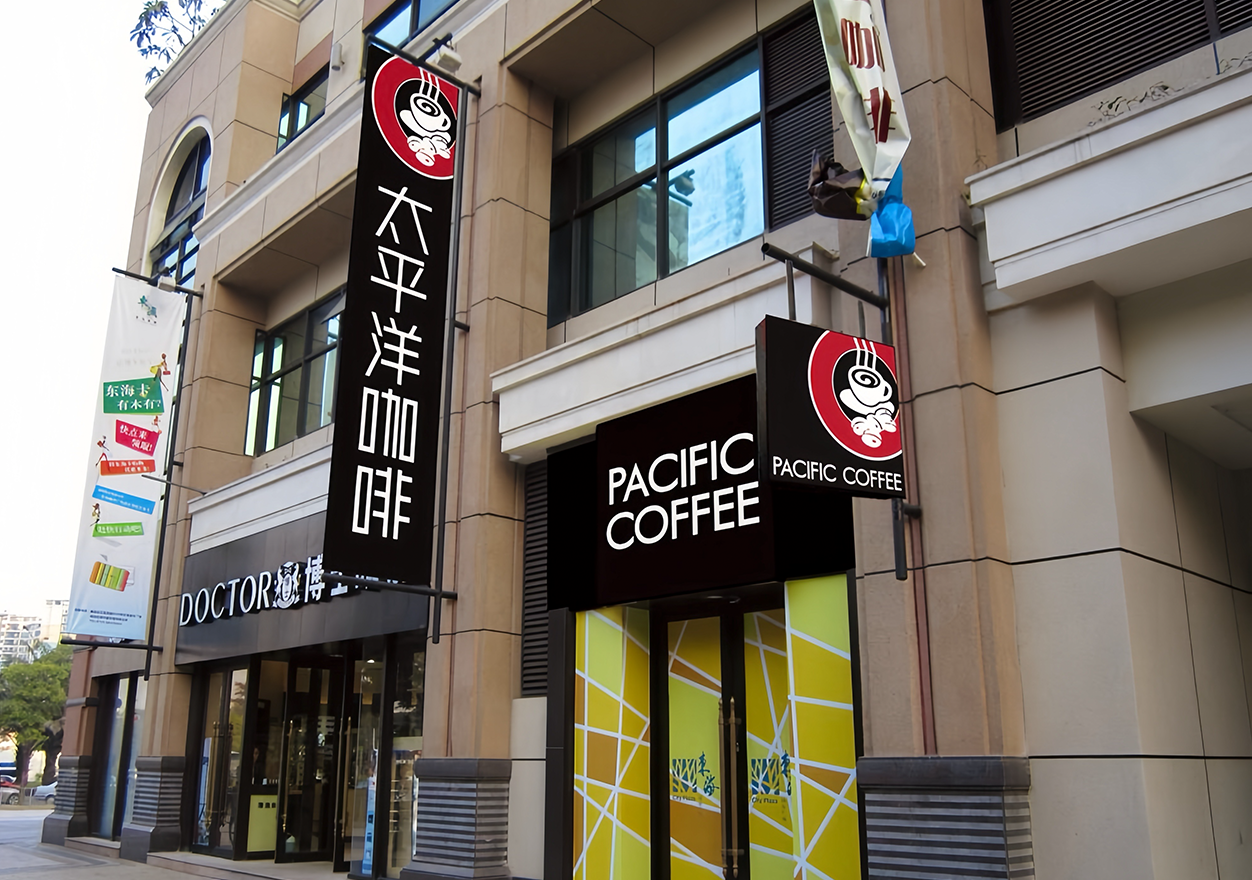
Field tests mirror laboratory exposure: salt spray for coastal malls, accelerated UV chambers for sun-drenched façades, and dust/impact trials for high-traffic transit hubs. In Times Square, where signage sees constant light, weather load and human contact, the difference between a faded face and a durable installation is unmistakable — brands there pay a premium for finishes that preserve color and reduce maintenance windows. IP rating, substrate choice and finish method all play into whether an installation posts an MTBF measured in single-digit years or decades.
Common mistakes and alternatives
Design teams often pick finishes by color sample or cost alone. That short-sightedness leads to repeated repaint cycles and unpredictable LED replacement schedules. — A common misstep is assuming paint and powder coating perform identically under intense UV and coastal conditions. Alternatives like PVDF coatings or stainless-steel cladding deserve mention: PVDF gives exceptional color retention for complex palettes, while stainless steel sidesteps coating concerns entirely at higher cost. Each alternative shifts the MTBF calculus in predictable ways.
Practical checklist for improving MTBF
– Match finish to environment: coastal, urban pollution, or high-sun exposure.
– Specify substrate and surface treatment together, not in isolation.
– Require accelerated weathering and salt-spray test results as part of the contract.
– Confirm LED module ratings and ease of service; long-lived finishes and short-lived electronics still reduce perceived MTBF.
Advisory: three critical evaluation metrics
– Environmental Suitability: Verify UV resistance, salt-spray performance and expected color retention for your target climate.
– Maintenance Footprint: Calculate expected service intervals and hidden costs — not just initial installation price but the total touch-up and replacement cycles over a decade.
– Integrated Lifespan: Combine finish MTBF with electronics (LED modules) and mechanical fastenings to reach a realistic operational life estimate.
Vendors that translate these metrics into clear performance guarantees make procurement decisions straightforward; for practical specification and production support, Cosun Sign often helps clients align finish, fabrication and service plans. Trust in measured durability. –