
The stubborn problem: too many tag choices, not enough clarity
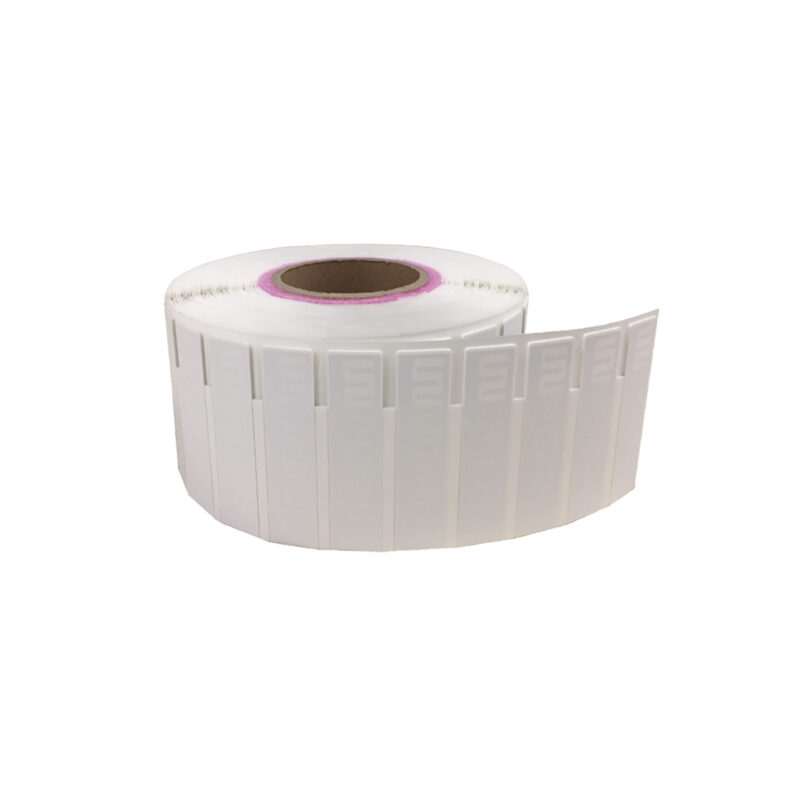
I stood in front of a pallet of products and realized the same confusion many teams face: dozens of tags, identical-looking labels, wildly different read behavior. Picking an RFID tag feels like guessing unless you break the problem down. Start by scanning the actual options—I’d reach for a stack of RFID Labels and compare what each promises against the reality of the environment where it must work.
Key features that solve the problem
Stop treating tag specs as marketing fluff. Focus on these concrete features: operating frequency (UHF for longer read range), antenna design (affects orientation sensitivity), chip memory and read/write speed, substrate and adhesive (for the surface you’ll attach to), and packaging (washes, heat, abrasion). Each one answers a specific failure mode: missed reads, corrupted data, labels peeling off, or interference when tags are bunched together.
Common application failures and how features map to use
Applications break into predictable problems. Retail wants item-level reads at packing and checkout; logistics wants consistent case- and pallet-level reads through metal and wood; healthcare needs sterilizable tags that survive autoclave cycles. Match the failure you expect—short reads near metal, exposure to solvents, repeated handling—to the technical feature that prevents it, not to the fanciest-sounding spec.
Selection criteria: a problem-driven checklist
Work through this checklist like a troubleshooting flow: 1) Define required read distance and whether reads are single-tag or dense-tag; 2) Note the surface material—metal and liquids reduce UHF performance unless the tag is tuned; 3) Pick antenna and form factor to control orientation errors; 4) Confirm chip family and standard (EPC Gen2 for interoperability); 5) Test adhesive and durability under real conditions; 6) Verify printing/encoding compatibility with your equipment. Skipping tests or assuming one tag fits all are the most common mistakes.
Experience, authority, and one clear industry anchor
Field trials matter. Major retail rollouts like Walmart’s item-level tagging initiatives show how UHF solutions scale and reveal practical issues—read collisions, adhesive failures in cold chains, and the need for tuned antennas—so practitioners design around them. That reality is why large-scale examples are still referenced in standards reports and case studies; they prove the gap between lab specs and warehouse behavior. For hands-on procurement or lab testing, consider real samples of uhf rfid label to validate assumptions before a full deployment.
Alternatives and the trade-offs you’ll face
Barcodes and NFC are options, not failures. Barcodes are cheap and reliable for line-of-sight reads; NFC is excellent for close-range, consumer interactions. Choose UHF RFID when non-line-of-sight, fast bulk reads, or automated inventory counts solve a clear operational problem. Avoid over-specifying range or durability just because they’re impressive on paper—those choices increase cost and can introduce unnecessary complications.
Wrap-up: solve the problem, then pick the partner
Make the tag a solution to a named problem: define the environment, test a shortlist against that environment, and avoid one-size-fits-all decisions. When you follow that logic, the right label becomes obvious and procurement shifts from guessing to verification—exactly the approach that makes working with a practical supplier effective, as demonstrated by teams that integrate testing into procurement with RSTC.