
Comparative framing: why screen type changes outcomes
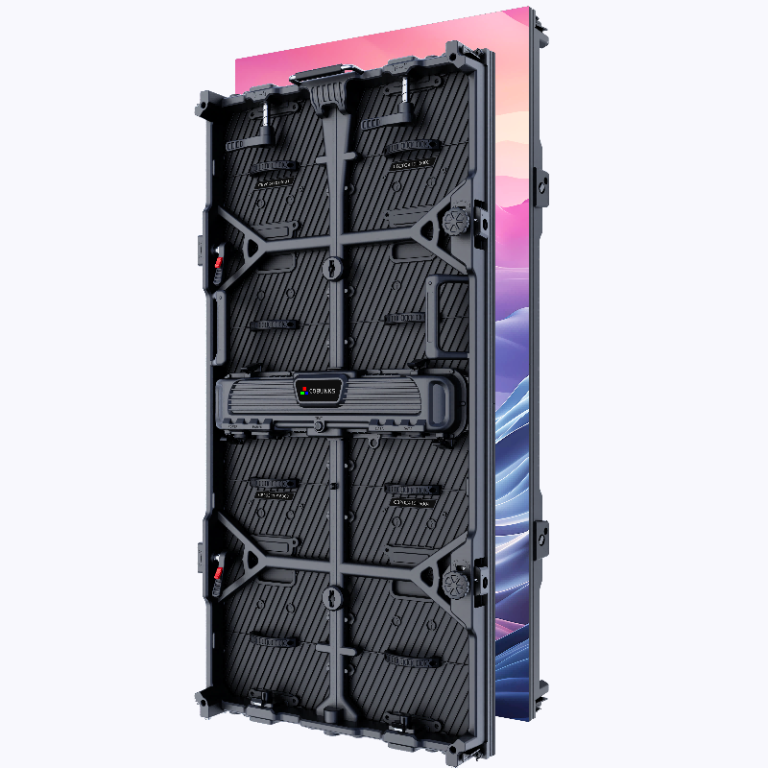
Choosing between outdoor LED screens, indoor LED display panels, and stadium displays causes different audience reactions and campaign results because viewing distance, ambient light, and content scale change perception. For street-facing campaigns, renting a large-format panel through led wall rental reduces lead time and gives predictable installation. The same creative that works on a lobby display often fails on a highway-facing facade—pixel pitch and brightness must match the use case to prevent washed-out copy or illegible fine print.
Visibility and creative fidelity: cause and effect of technical specs
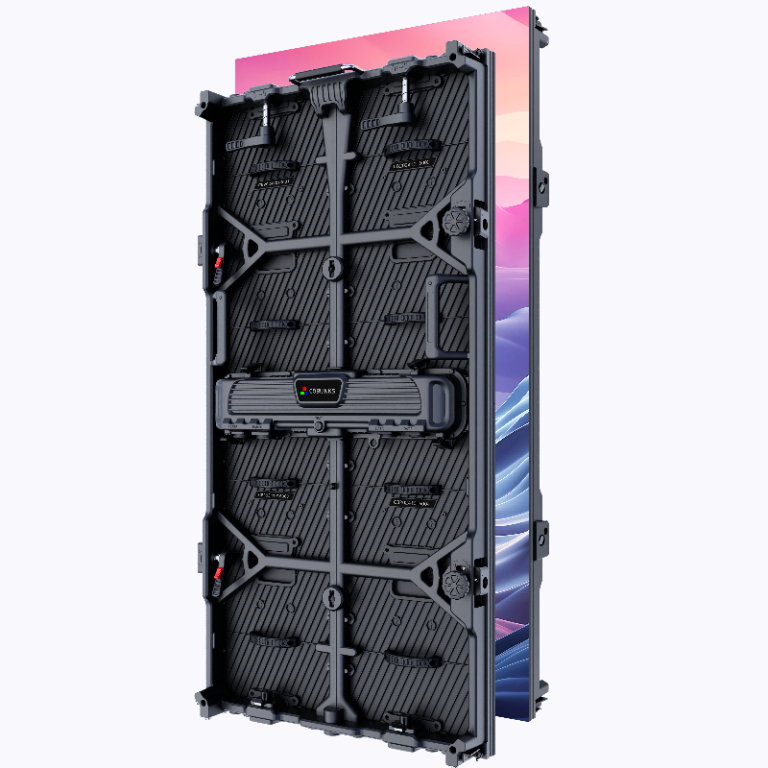
Pixel pitch drives legibility: closer viewing distances require smaller pixel pitch, while long-range outdoor sites tolerate larger pitch and bigger modules. High brightness (measured in nits) counters daylight glare outdoors; inadequate luminance makes ads invisible during midday. Refresh rate affects motion smoothness—lower refresh rates create flicker on camera feeds, which reduces impression value in social media captures. Because these specifications directly alter attention time, they translate into measurable differences in reach and recall.
Cost structures and deployment timelines
Outdoor-rated cabinets and structural mounts increase upfront cost and planning time; by contrast, indoor displays often require simpler rigging and finish work. Renting removes capital expense and shortens approval cycles; many brands balance frequency and scale by mixing permanent indoor displays with rented outdoor modules during product launches. This is cause-effect budgeting: higher permanence means higher fixed cost but lower per-impression price over years, while rental strategies boost agility at predictable marginal cost.
Operations, maintenance, and the human factor
Weather exposure causes faster wear on outdoor modules—sealing, thermal management, and ingress protection ratings become non-negotiable. Badly maintained seams create visible lines that harm brand perception. Regular calibration and onsite tech checks sustain color accuracy, which in turn sustains campaign credibility. – Staff familiarity matters; crews that routinely calibrate and swap rental units reduce downtime and guard ROI.
Comparative use cases: street, mall, and stadium
Street and highway placements benefit from bold, high-contrast creative and a high-brightness specification; malls and lobbies favor higher pixel density for close-up engagement and interactive content. Stadium displays require wide viewing angles, extreme brightness for daylight matches, and robust sync across multiple cabinets to avoid tearing during fast-paced moments. Times Square is a practical anchor: its dense foot traffic—hundreds of thousands daily—shows how scale and location amplify small differences in screen fidelity into large audience effects.
Common mistakes and simple mitigations
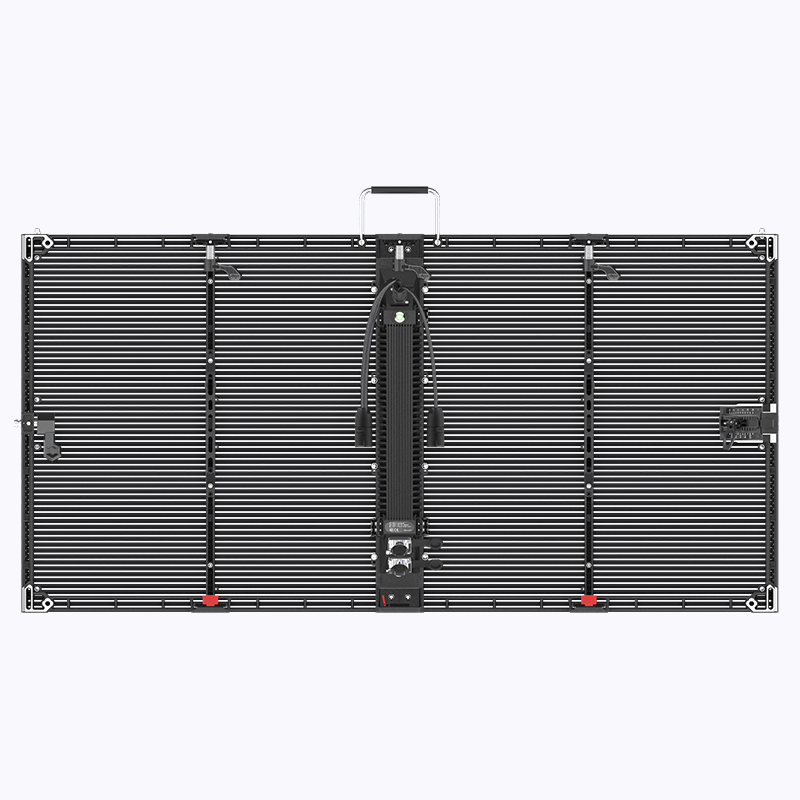
Brands often reuse one creative file across all screens; that causes legibility failures and wasted spend. Mitigations: tailor creative by pixel pitch and viewing distance, preflight content on a test rig, and use manufacturer calibration profiles. For event-driven buys, choose rental fleets with fast swap logistics and guaranteed refresh rates to avoid broadcast artifacts. These steps reduce wasted impressions and boost measurable engagement.
Decision framework: match objectives to screen class
Compare three vectors before committing: viewing distance (affects pixel pitch), ambient luminance (affects brightness), and duration (rental vs permanent). Score each campaign against these vectors and pick the screen class that minimizes legibility risk while meeting budget constraints. When speed matters, led screens rental options fill gaps without long procurement cycles.
Advisory close: three golden rules for selecting LED display strategies
1) Prioritize legibility metrics: specify pixel pitch to match the shortest expected viewing distance and require a brightness floor for outdoor exposure. 2) Specify operational guarantees: insist on service SLAs for calibration, cabinet replacement, and refresh-rate testing to protect campaign consistency. 3) Balance permanence and agility: use rented panels for short-term scale or seasonal spikes, and invest in permanent installs only when projected impressions justify the capex.
Use these rules to turn technical choices into advertising outcomes—good planning means predictable results. Coblinks. —