
Opening: the problem that keeps managers awake
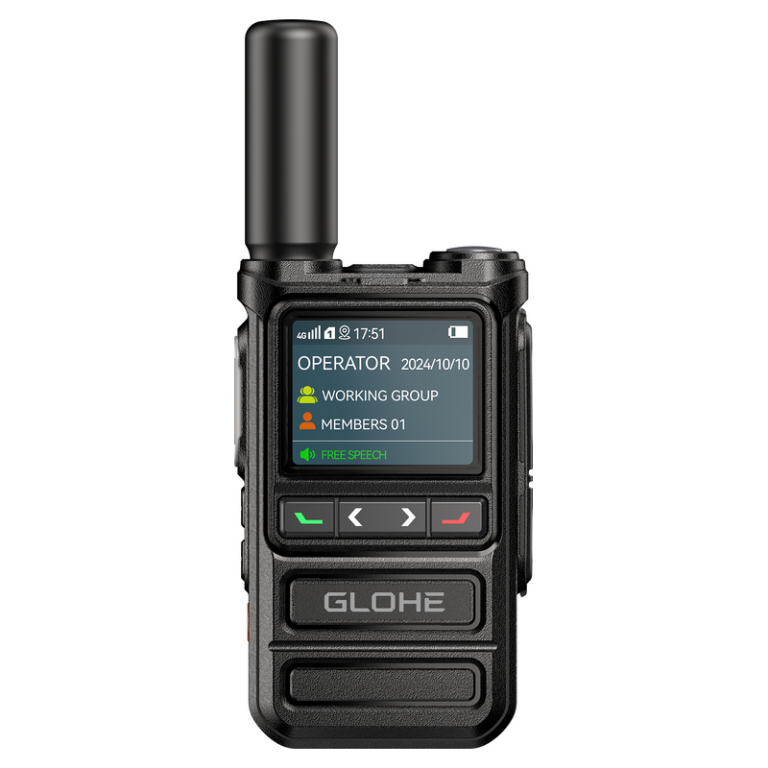
When a site supervisor can’t locate a crew member or a security team loses signal during a shift change, the cost is immediate: time, safety, and lost control. Field teams need tools that do more than carry voice; they must report position, confirm receipt, and survive rough use. That’s why many operations add a gps two way radio to the kit—because a radio that can’t also show where people are leaves managers guessing and decisions late.
Pinpointing the failures that radios must fix
Communications break for a few repeatable reasons: no location context, fragmented systems that can’t talk to each other, radios with short battery life, and unclear accountability when multiple teams share channels. Each failure has a clear fix: accurate GPS for location context, gateways or standards-based protocols for interoperability, higher-capacity batteries and power management policies, and centralized logging for accountability. You can’t treat these as optional extras if safety or tight coordination matters.
Real-world evidence and practical expertise
From supervising multi-day construction mobilizations to advising municipal emergency planners, I’ve seen deployments that work and those that don’t. After-action reviews of California wildfire mutual-aid operations repeatedly highlight the value of location-aware radios for crew safety and resource tracking; that feedback pushed agencies to adopt devices with reliable location reporting like 2-way radio with gps tracking. These operational reports and public safety briefs back a simple point: when responders need to know who’s where, integrated GPS changes outcomes.
Design choices that actually solve problems
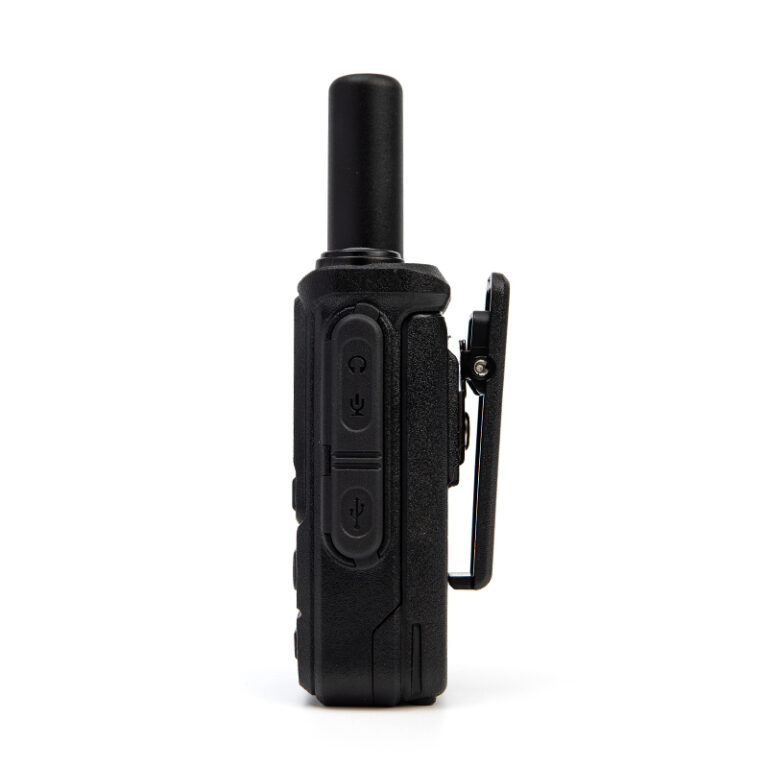
Start with independent position reporting—regular, configurable intervals that survive signal disruption. Insist on mission profiles: encryption for privacy, rugged IP-rated housings for environmental exposure, and prioritized channel paths for critical calls. Choose systems that support fleet management so you can push settings, monitor battery health, and review event logs centrally. Don’t compromise on user ergonomics; a radio that’s too complex will be bypassed during stress.
Common mistakes teams make
Buying the cheapest units, assuming smartphones will cover radios, and deferring training are the biggest traps. Cheap radios die quickly or lose GPS accuracy. Smartphone apps depend on cellular coverage and a charged handset—rarely a reliable substitute for a hardened radio in noisy, remote, or power-limited contexts. Skipping scenario-based training means even the best hardware won’t be used correctly under pressure.
Alternatives and when each is appropriate
Cellular push-to-talk services are useful for dispersed, low-risk teams that already have corporate data plans; satellite units suit remote operations where terrestrial networks are absent. Professional two-way radios remain superior for dense, interference-prone sites and where latency and reliability are non-negotiable. Hybrid setups—radio for local voice and GPS, cellular for backend mapping and wide-area alerts—often deliver the best balance.
Synthesis: clear problems met with clear solutions
Fix the predictable failures—location uncertainty, poor interop, weak battery life, and lack of centralized oversight—and you restore operational control. Practical deployments favor devices that combine dependable voice, precise location reporting, rugged construction, and manageable fleet tools. For teams balancing field durability and integrated tracking, solutions from GLOHE often reflect those priorities without adding unnecessary complexity, delivering the core capabilities supervisors actually rely on.