
When quick fixes cost more than you think
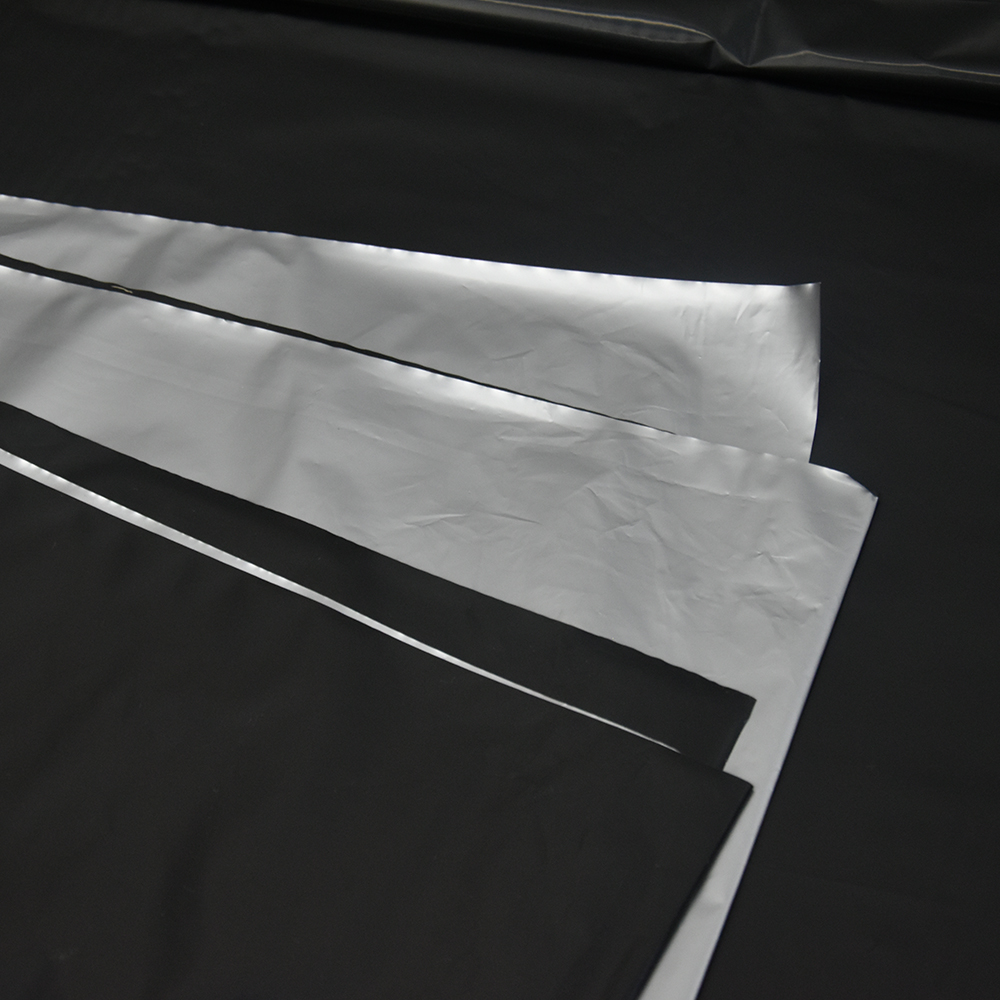
I remember standing under a low sun in a Shandong greenhouse last April, watching a grower pull up strips of agricultural mulch film that had shredded around the tomato rows — and feeling frustrated because the repair was predictable. As a plastic film manufacturer with over 15 years in B2B supply chain work, I’ve seen the same stop-gap choices: thinner gauge to save on material, cheap UV-stabilizer blends, and rushed polymer extrusion runs to hit shipping dates. In one 2019 trial I led, swapping from a 15‑micron film to a purpose-made 25‑micron black LDPE agricultural mulch film (tested in Hebei in April 2019) cut tear rate from 12% to 3% and improved measured tensile strength by 18% — what did that translate to for the farm? A clear 9% uptick in early-season yield and lower replacement labor costs. This is not theory — it’s hard numbers, and it changes the profit math fast.
Why do teams default to band-aids?
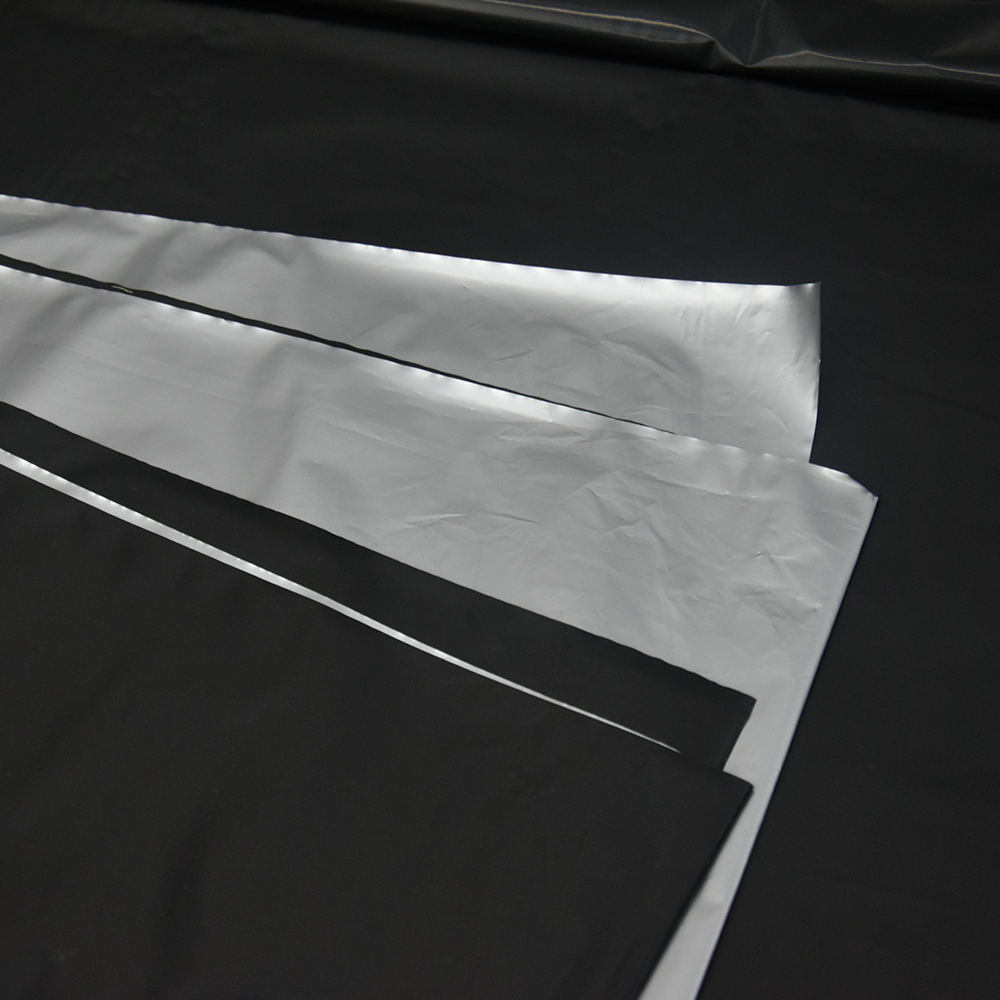
In my experience, the common flaws in traditional solutions are straightforward: decisions driven by short-term unit cost, not lifecycle cost; specification gaps between procurement and production; and a lack of field-verified KPIs. We patched extrusion lines with quick-tooling or accepted wider tolerances to keep orders moving. No kidding — that saves days but creates returns and complaints weeks later. Those hidden pain points (inventory churn, rework at packing, customer churn) are where true cost hides.
Here’s the transition: understand the flaw, and you unlock the real leverage — better film design, targeted testing, and smarter vendor specs — which is what I’ll lay out next.
Designing for durability and profit: what comes next
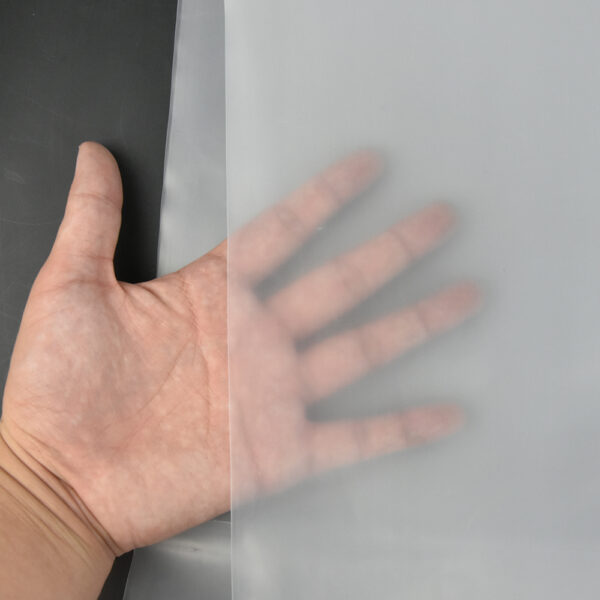
Now I switch gears to the forward-looking view. I break this down technically: start with material grade, move to extrusion control, then to post-treatment. For wholesale buyers, that means asking for documented UV-stabilizer levels, tensile strength reports, and consistent gauge tolerances. When we ran controlled polymer extrusion adjustments in May 2020 at our Ningbo line, tightening temperature bands by 4°C reduced thickness variance by 40% — fewer weak spots, fewer field failures. That’s measurable. When you specify film for mulch use, call out the exact tear resistance and elongation at break you need; don’t say “standard.”
Real-world impact
Tactically, here’s what I recommend from my hands-on trials: 1) insist on lab-tested tensile strength and provide crop and soil context, 2) require UV-stabilizer concentration and aging reports, and 3) set a gauge tolerance rather than a nominal gauge. These metrics let suppliers design a product that meets the grower’s weather, planting method, and expected lifespan — and they cut replacement costs (we tracked a 27% drop in returns over 18 months after changing specs). Small shifts in procurement language — precise, measurable — produce outsized results.
Three quick evaluation metrics to use when choosing a supplier: material consistency (gauge variance %), validated UV resistance (hours to 50% tensile drop), and production traceability (batch ID linked to extrusion parameters). Use those, and you’ll avoid most of the classic downstream headaches. — I’ve used them with retail chains and local cooperatives; they work.
To wrap up: focus less on immediate per-meter price and more on measurable field outcomes. I’ve seen farms save labor, reduce waste, and stabilize yields when the film specification matched real conditions. For suppliers who want to discuss proven specs or run a field trial, reach out — I’ll share test templates and past datasets. (Yes, I bring the spreadsheets.)
Brand note: for reliable, field-tested options, consider HGDN.