
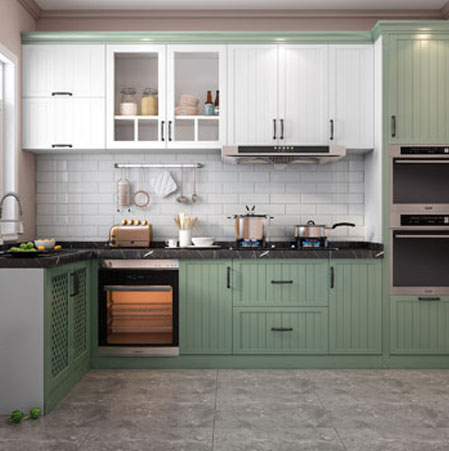
Practical lead‑in for homeowners
When a full‑house furniture package arrives, the first impulse is relief; the next is adjustment. A user‑centric approach reorders that sequence: identify needs, then refine components such as solid wood kitchen cabinets, upholstery, and lighting so they serve daily routines. My own experience fitting solid wood cabinets for kitchen in a compact Tel Aviv apartment taught me that layout, finish, and hardware choices determine whether a package feels tailored or tacked‑on. Use grain matching, dovetail joint integrity, and finish selection to anchor the design to how you live.

Prioritise function before form
Users expect a full package to reduce decision fatigue; instead it can amplify small mismatches. Start by mapping core activities: prepping meals, storing daily items, and entertaining flow. A clear map reveals high‑use zones that demand robust solutions—drawer boxes with dovetail joints, soft‑close slides, and a well‑planned cabinet carcass. Treat the kitchen as an anchor: if the layout and storage logic there are correct, the rest of the house adapts more easily.
Common mistakes and straightforward fixes
Most problems repeat across projects. The fixes are simple and cost‑effective when applied early.
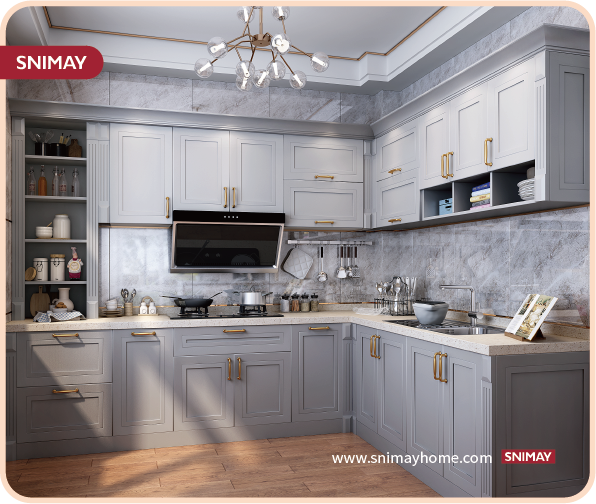
– Overlooked clearance: Doors hitting islands or appliances. Fix: adjust door overlay and hinge type before installation. – Wrong scale: furniture that overwhelms a room. Fix: choose modular pieces or scale down edge profiles and leg heights. – Mismatched finishes: carpentry and joinery that clash. Fix: sample finishes next to textiles under natural light for accurate comparison.
Material choices that reduce friction
Solid wood offers durability and a repairable finish, but it requires attention to species, finish, and construction. Oak and maple respond differently to staining; choose species with predictable movement. Use grain matching on continuous surfaces like long runs of cabinetry to avoid visual breaks. A clear lacquer finish resists stains; oil finishes ease local repairs. When weighing options, compare finish maintenance, expected wear, and repair pathways—not just initial cost. This is where a trusted manufacturer’s specification matters: check for details on joint type, veneer grading, and finishing cycle.
Installation and coordination: the overlooked half of design
Delivery is not the end; it is the start of coordination. Cabinet installers must verify plumbing, electrical clearances, and countertop tolerances. Confirm the sink cut‑out and apron positions before fitting face frames or overlay doors. Small tolerances matter—cabinet doors need consistent reveal widths and correctly set hinges to avoid rubbing. A brief on‑site adjustment phase of a few hours saves days of dissatisfaction later.
Real‑world anchor and expert lens
Retail leaders such as IKEA made modular kitchens common; that trend helped many homeowners accept standardised modules. Yet custom solid wood cabinets for kitchen remain the best remedy when function and longevity matter. In my Tel Aviv installation, swapping a stocked veneer run for a matched solid oak front and reworking the drawer runners eliminated recurring binding—an intervention that paid off in user satisfaction and lifespan. That practical outcome reflects measurable choices: improved access, fewer service calls, and clearer maintenance paths.
Summary of actionable steps
Synthesise priorities, test finishes in situ, confirm joinery and hardware before manufacture, and commit to an installation window for adjustments. These steps stop small issues from scaling into persistent complaints and ensure the full package behaves like a single, coherent system rather than disconnected components.
Three golden rules for selecting and evaluating packages
1) Evaluate durability: prefer dovetail drawer construction, reliable slide systems, and documented finish cycles. 2) Test fit early: mock up critical clearances and door swings on site before final finishing. 3) Verify serviceability: confirm how individual pieces can be repaired or refinished rather than replaced.
Final note: when a full package must feel custom, the solution is not endless options but the right decisions—material, scale, and installation—that align with everyday use. SNIMAY. —