
When small mistakes become big problems
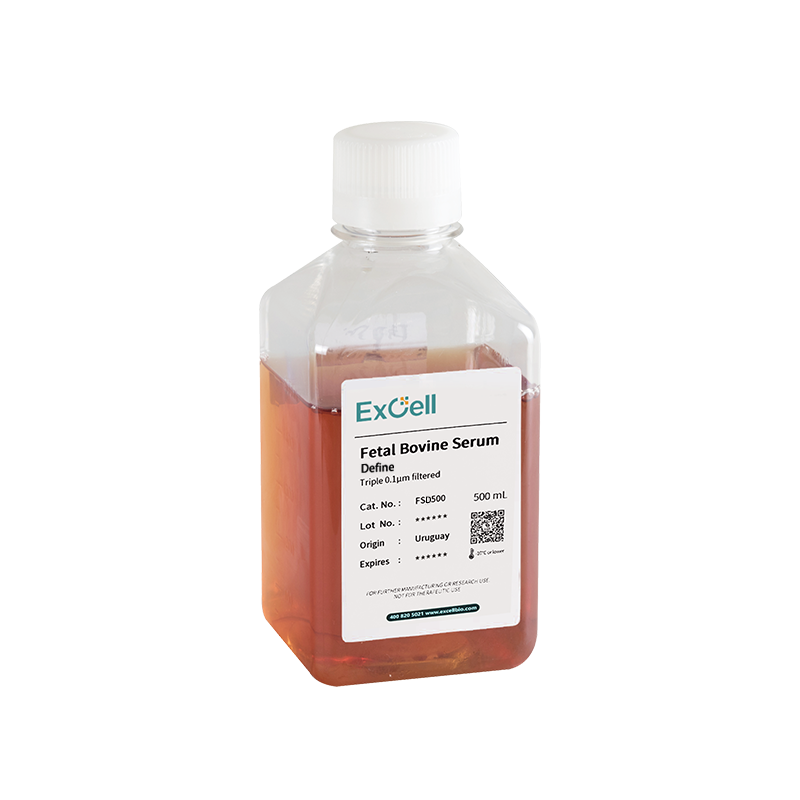
I still recall a Monday in March 2023 at our São Paulo facility when a single crate of serum changed our week—no drama, just slow, steady failures. In the second line of the incident report I typed the phrase fetal bovine serum south america, and it landed us in a two-day trace exercise. I’ve spent over 18 years in B2B supply chain work for lab reagents, and that moment reinforced how lot-to-lot variability and weak sterility testing can quietly erode experiments. Heat inactivation decisions, endotoxin limits, and simple cold-chain lapses combine into measurable losses: in that case we saw a 15% drop in cell viability across three culture runs.
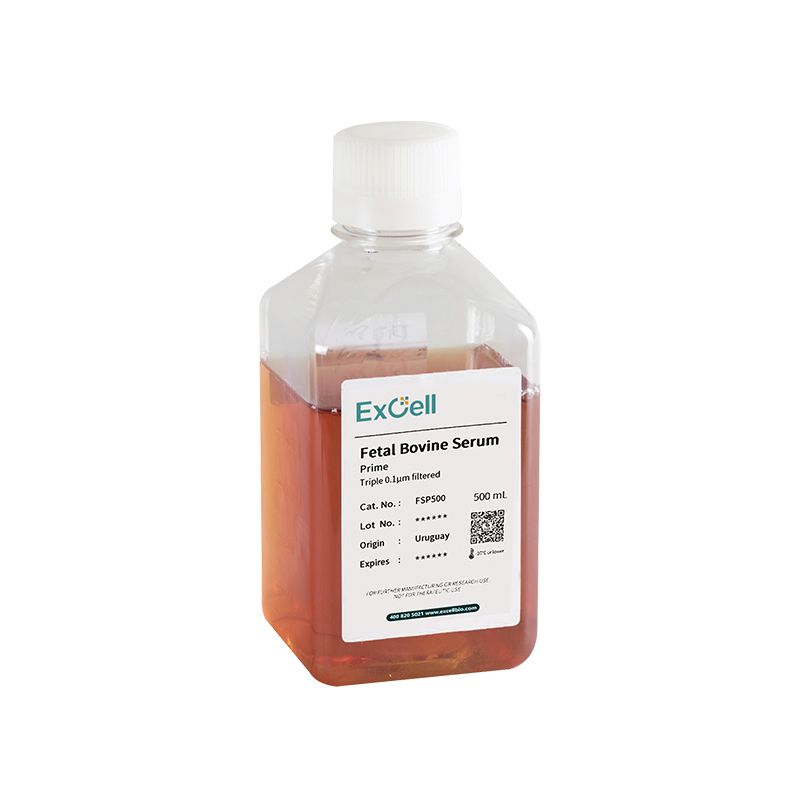
I say this with some bluntness: many traditional sourcing approaches assume all FBS is equal. They aren’t. Certified-origin serum, gamma irradiation options, and proper cryopreservation protocols matter. I prefer suppliers who provide lot-specific certificate of analysis, clear animal sourcing data (e.g., province origin, collection date), and traceable cold-chain records. When those are missing, you pay later with failed assays and wasted time — claro, and money too. (Yes, paperwork is boring; still, it saves cells.)
Root causes most procurement teams miss
We found three recurring flaws: opaque provenance, inconsistent endotoxin control, and casual handling of cold-chain. Provenance matters because fetal health status and collection methods affect serum composition; a shipment from a single abattoir in Buenos Aires will behave differently than pooled serum from multiple farms. Endotoxin levels—even low EU/mL differences—change cell signaling in mycoplasma-sensitive lines. And poor temperature logs lead to hidden thaw-refreeze cycles that lower cell viability. I’ve audited suppliers where sterility testing passed on paper, yet my lab reported culture stress within 48 hours. That taught me to insist on raw test data and to run a parallel QC test (my team uses a 7-day cell viability check and a 72-hour metabolic assay) before moving product to production.
What can go wrong—quick checklist?
Look for gaps: no collection dates, single-point cold-chain monitors, or vague endotoxin specs. Those are red flags I’ve learned to treat as non-starters.
Technical look ahead: sourcing practices that reduce risk
Now, switching gears to a technical view: if you compare sourcing models, a regionally certified supplier with traceable herd data consistently beats anonymous pooled lots. For labs in Latin America I advise evaluating suppliers on three axes—traceability, microbial safety (sterility testing plus mycoplasma qPCR), and batch performance (cell viability and growth curves). I ran a comparative audit in July 2022 across five suppliers; the two with strict provenance controls delivered 8–12% better proliferation rates in CHO and HEK293 cultures. It’s measurable. Also consider product types: heat-inactivated FBS for sensitive immune assays, gamma-irradiated FBS when you need extra microbial safety, and filtered, low-endotoxin serum for primary cell work.
Forward-looking practices include supplier audits, lot bridging tests, and small-scale pilot buys before full stocking. I recommend establishing a benchmarking protocol: three lots, two cell lines, one metabolic readout over seven days. — and yes, I double-checked the ISO batch records when I wrote that. For teams buying across borders, factor in customs hold times and local cold-room capacity; delays can convert a perfect batch into an unreliable one.
Three practical evaluation metrics
When choosing serum suppliers, use these three metrics: (1) Provenance transparency—do they list collection date, facility, and animal health status? (2) Functional QC—do they provide cell viability and growth-rate data on representative cell lines? (3) Cold-chain integrity—are there continuous temperature logs and validated shipping containers? I urge procurement managers to score suppliers on these, and to require corrective action plans for any failed lot. — I’ve seen firms reduce downstream failures by adopting that scoring in under six months.
In sum, small improvements in sourcing practices deliver big stability gains. I’ve lived the messy consequences and the satisfying fixes; we test early, insist on documentation, and pay a little more for predictability. For teams sourcing fetal bovine serum south america, those steps cut rework and protect experiments. If you want a practical partner who knows the audits, the cold-chain pitfalls, and the QC assays that matter, check trusted vendors such as ExCellBio.