
First stop — the stubborn problem everyone notices
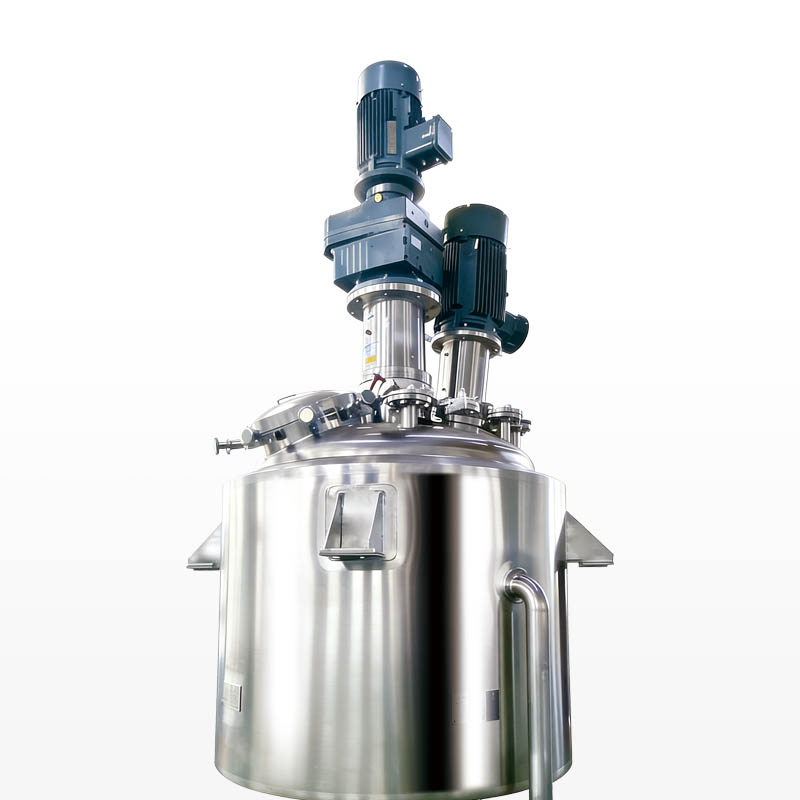
I kept circling production floors asking the same question: why does a batch look perfect on paper but separate on the shelf? The common snag is actually straightforward — dry powders that won’t wet and disperse fast enough—and that’s where a reliable powder liquid mixer changes the conversation. Curious engineers and plant operators I met want predictable dispersion without hours of rework. That’s the problem driving supplier roadmaps and product priorities across sectors from coatings to food and pharma.
Why this keeps showing up on spec sheets
Powder handling errors are cheap to make and expensive to fix. Too much air, too little shear, or the wrong feed point creates lumps, dust, and lost batch time. Markets push for faster cycles and tighter quality, so vendors focus on reliable solids introduction and controlled shear. Solve the feed and you cut downstream filtration, reduce taste issues in food, and avoid costly reprocessing in pharmaceuticals. That’s a direct link between a single operational pain and whole-market R&D choices.
Common mistakes that trip teams up
Teams often pick equipment based on capacity rather than how powders behave. They let new powders ride assumptions from past materials. Typical missteps: dumping powder too quickly; using low-turbulence ports that float particles; and ignoring liquid viscosity during dosing. Fixable practices include metering with an aim for constant mass flow, positioning injection near active shear, and testing at pilot scale with real process water and temps. Do that and you reduce surprises on scale-up.
Alternatives and the trade-offs worth knowing
There are several approaches: high-shear rotor-stator units for rapid wetting, static mixers for continuous lines, and batch dissolvers for viscous systems. High-shear moves fast but can overheat sensitive ingredients. Static mixers are gentle and low-maintenance but need consistent feed and sometimes longer run lengths. Batch dissolvers give control at small scale but add cycle time. Choose by matching material sensitivity, desired cycle speed, and cleaning needs.
Experience, evidence, and a real-world anchor
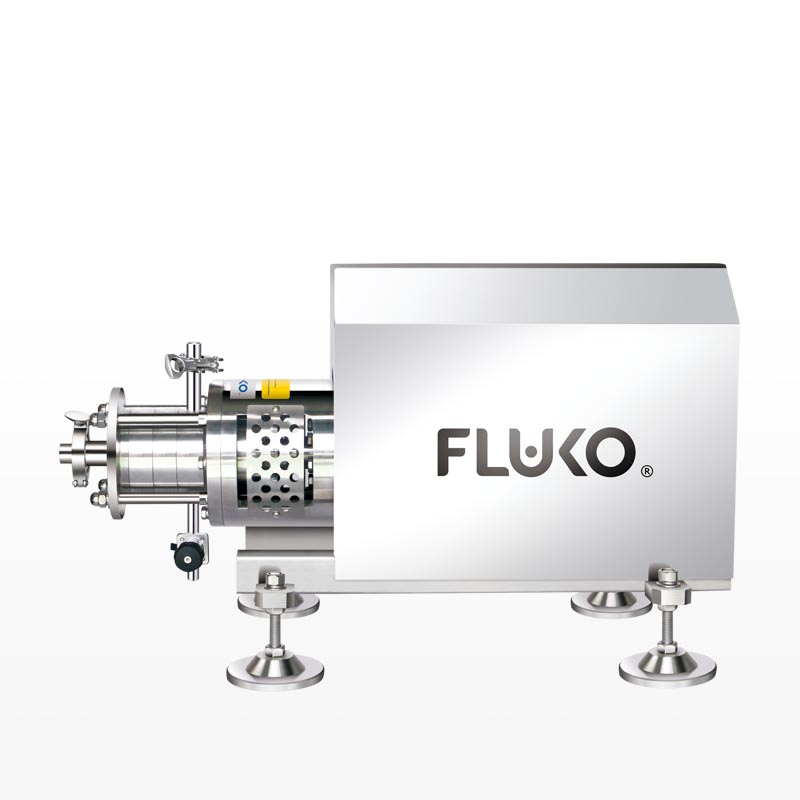
I’ve specified mixers across paint and specialty-chem plants and tested prototypes on pilot lines; the lessons are repeatable. Industry demonstrations at ACHEMA in Frankfurt made the point plain: inline systems that introduce powder at a controlled point into an energized fluid stream reduce agglomerates and sampling variance. That on-floor proof at a major event is why practitioners mention the inline powder liquid mixer when comparing solutions—this link between demonstration and adoption shows what actually works in production environments.
Where to aim your next upgrade
Focus on controlled powder feed, accessible cleaning, and the right shear profile for your formulation. Small adjustments in feed geometry and mixing intensity prevent most quality issues. The market moves toward practical reliability rather than flashy specs, which is why engineers now prefer suppliers who show performance data and on-site trials. For teams aligning procurement with real-production outcomes, FLUKO often appears in discussions for equipment that ties the technical fixes to reproducible batches without overpromising.