
Start with a clear spine
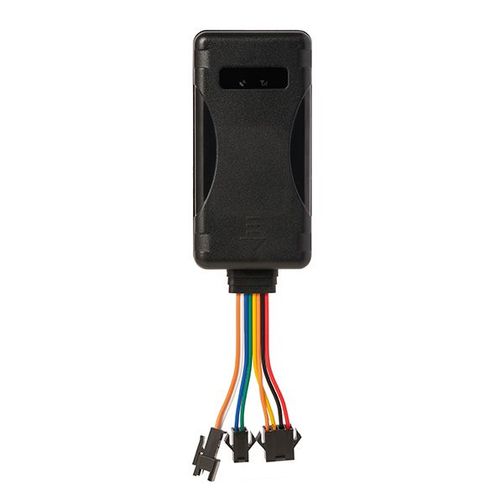
Think of this as the skeleton you dress for each job: a simple, repeatable framework that turns chaotic rollouts into dependable routines. Begin by naming the decision owners, the roll-out milestones, and the minimum viable data you need to measure success. If you’re shopping for hardware or sensors, talk first to a shortlist of fleet telematics technology providers so you know which protocols and data formats your fleet can actually use — not the fanciest brochure, the one that fits your vans and your rhythms.
Core checklist: People, Process, Technology
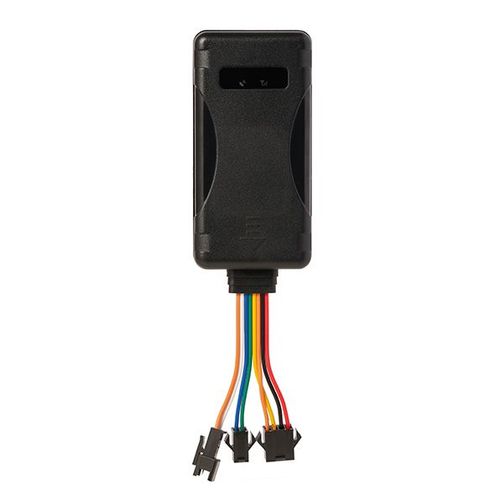
– People: assign a single program lead, two operational champions (one from drivers/dispatch, one from maintenance), and a vendor liaison. Keep assignments short and specific. – Process: define daily, weekly, and incident workflows before devices arrive. Sketch a 30/90/180 day plan with acceptance criteria. – Technology: choose hardware and software that speak the same language as your back office. Prioritize compatibility with existing dispatch tools and integration endpoints. Consider how fleet management telematics will feed routing, fuel, and maintenance workflows rather than treating it as a separate report generator. – Acceptance metrics: set three KPIs to start (on-time rate, idling minutes per van, and time-to-repair) and a cadence to review them.
Pilots that teach, not just prove
Run a short, focused pilot with five to ten vans. Keep it local and high-visibility: a route with varied stops, different drivers, and at least one recurring mechanical issue. Test one new change at a time — new telematics device, new dispatch rule, or new driver coaching script — so you can isolate impact. Capture lessons in plain language and fold them into training materials. Don’t expand until you can show measurable gains and predictable processes.
Integration and data hygiene
Plan integrations by data type: location streams, engine diagnostics, driver ID, and fuel transactions. Map each field to an owner and retention rule. Keep these rules short: who consumes the field, who validates it, and how long it’s archived. Automate simple validations at ingestion — GPS gaps, implausible odometer jumps — and alert the right person, not a general inbox. Clean data prevents a thousand meetings.
Trust, training, and change management
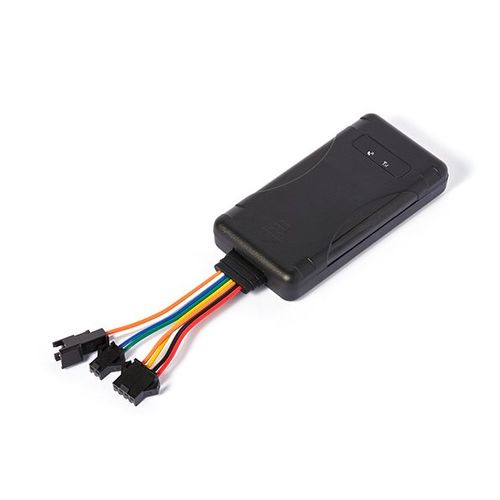
Drivers decide whether the system lives or dies. Explain plainly why the system helps their day, then show it: shorter waits, clearer routes, fewer breakdowns. Use short hands-on sessions, not long manuals. Reward the behaviors you want: a small weekly recognition for a team with improved on-time performance beats a monthly lecture. Protect privacy: be explicit about who sees what and for how long.
Lessons from the field
Lessons crystallize faster at events where the industry talks straight; I still remember practical exchanges at Transport Logistic in Munich that shifted a deployment sequence for the better. The clearest takeaway: start basic, prove value to drivers, and make integrations incremental. That approach keeps budgets steady and morale intact.
Common pitfalls and how to avoid them
– Over-automating too soon: automations need clean inputs. Wait for reliable data. – Ignoring maintenance workflows: telematics without scheduled servicing just gives you guilty data. – One-size-fits-all training: tailor short sessions to drivers’ experience and language. – Forgetting fallback plans: always have a manual dispatch path for device outages.
Final synthesis
Follow this framework, keep actions small and measurable, and build trust at every step. The work you do to align people, process, and technology makes operational improvements repeatable. For many teams that clarity becomes their real advantage, and it’s exactly the kind of practical alignment I see companies achieve when they move from pilot to full roll-out with partners like BSJ.