

Framework lead: why a method beats a checklist
The simplest way to cut through manufacturing noise is a clear framework that links thermal behavior to mechanical reality — and that’s what this playbook does. Start by treating every production line like a subsystem in a larger residential energy storage systems deployment: cells, modules, racks, and the controls that tie them together. The need is obvious after events like California public safety power shutoffs and their ripple effects on backup power demand — when grid outages become routine, reliability is not optional. This framework focuses on repeatable inputs: micro‑Doppler thermal sweeps, structural rigidity metrics, and integrated telemetry from the BMS to create an actionable risk map.
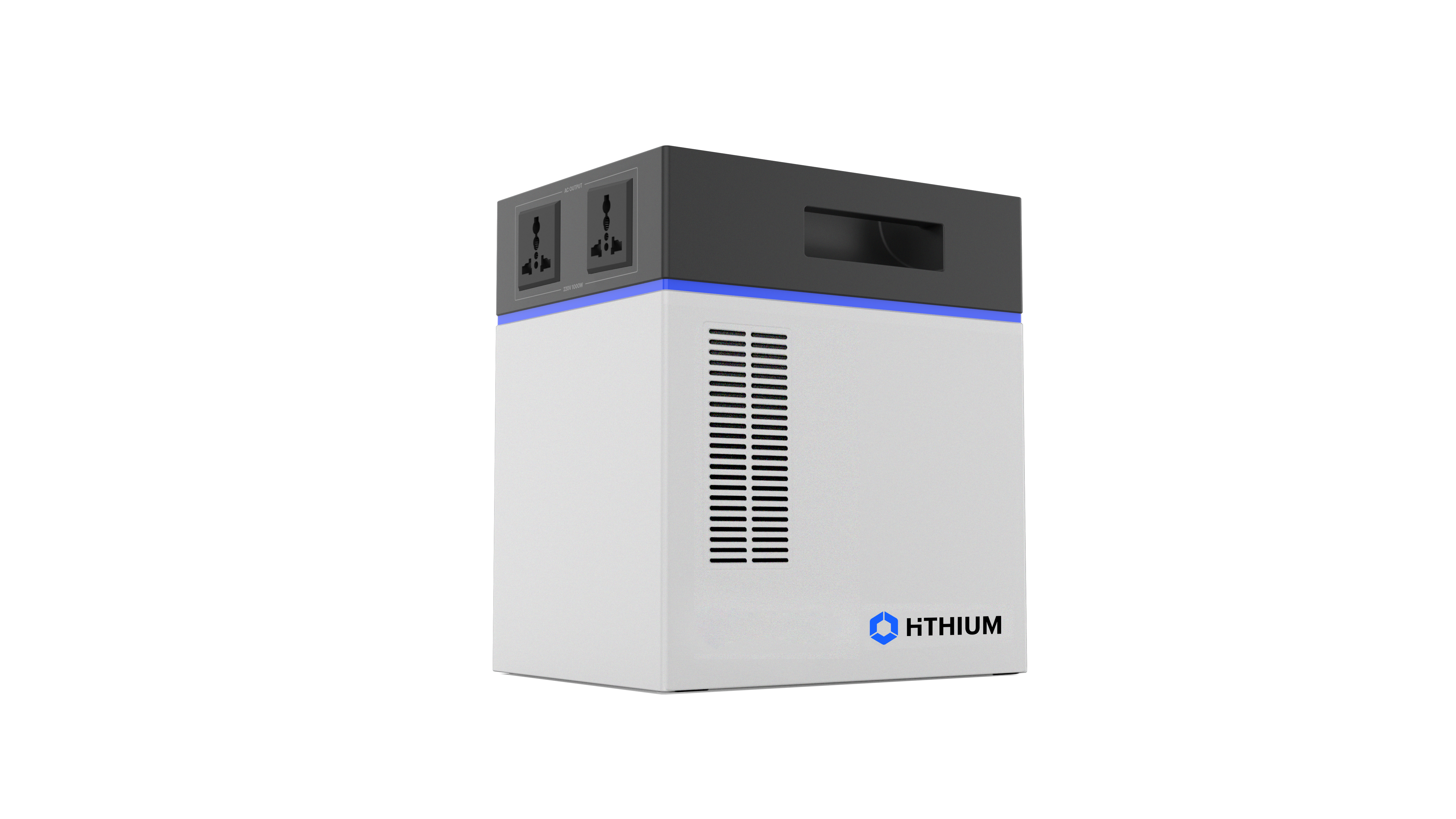
Core components of the Grid Sourcing Audit
The audit is modular and repeatable. Key components are: – Micro‑Doppler thermal mapping to find localized heating and transient hotspots; – Structural rigidity tests on module frames and rack interfaces to detect fatigue or looseness; – Telemetry capture from the BMS and SoC logs to correlate temperature spikes with charge cycles; – Sample destructive testing for cell internal resistance and cell balancing verification. Each module of the audit yields a discrete KPI that feeds the overall risk score; no single metric stands alone.
Running the micro‑Doppler thermal sweep
Execute sweeps during controlled charge/discharge cycles at representative C‑rates. Use Doppler-based sensors to detect minute oscillations in radiative patterns — they reveal transient hotspots before a thermal runaway event develops. Collect synchronized timestamps from the BMS so you can align thermal signatures with state of charge (SoC) and current draw. Sample cadence: baseline idle, 0.5C, 1C, and peak stress. Store raw frames for later machine analysis — patterns repeat, and models improve fast when given consistent data.
Interpreting rigidity and mechanical data
Rigidity isn’t just a structural concern; it’s thermal insurance. Loose mounts and asymmetric stiffness change thermal conduction paths, concentrating heat in awkward spots. Test by applying controlled vibration profiles and mapping resulting thermal shifts. Look for: asymmetric deflection at module joints, micro‑slip at fasteners, and degraded potting or thermal interface materials. Correlate any mechanical anomalies with hotspots from the Doppler sweep — they’ll often point to poor module seating or contact resistance that raises local temperatures.
Common mistakes and practical fixes
Teams often treat thermal scans and mechanical tests as separate silos — that’s the big mistake. Integrate results into a single dashboard. Avoid over‑sampling single cells while ignoring system-level dynamics; a warm edge cell may be a symptom, not the root cause. Practical fixes are straightforward: improve clamp torque specs, standardize thermal interface materials, refine cell balancing procedures, and update BMS thresholds to capture early transient events — then run verification sweeps. Small calibration shifts early save weeks of troubleshooting later — and a few headaches.
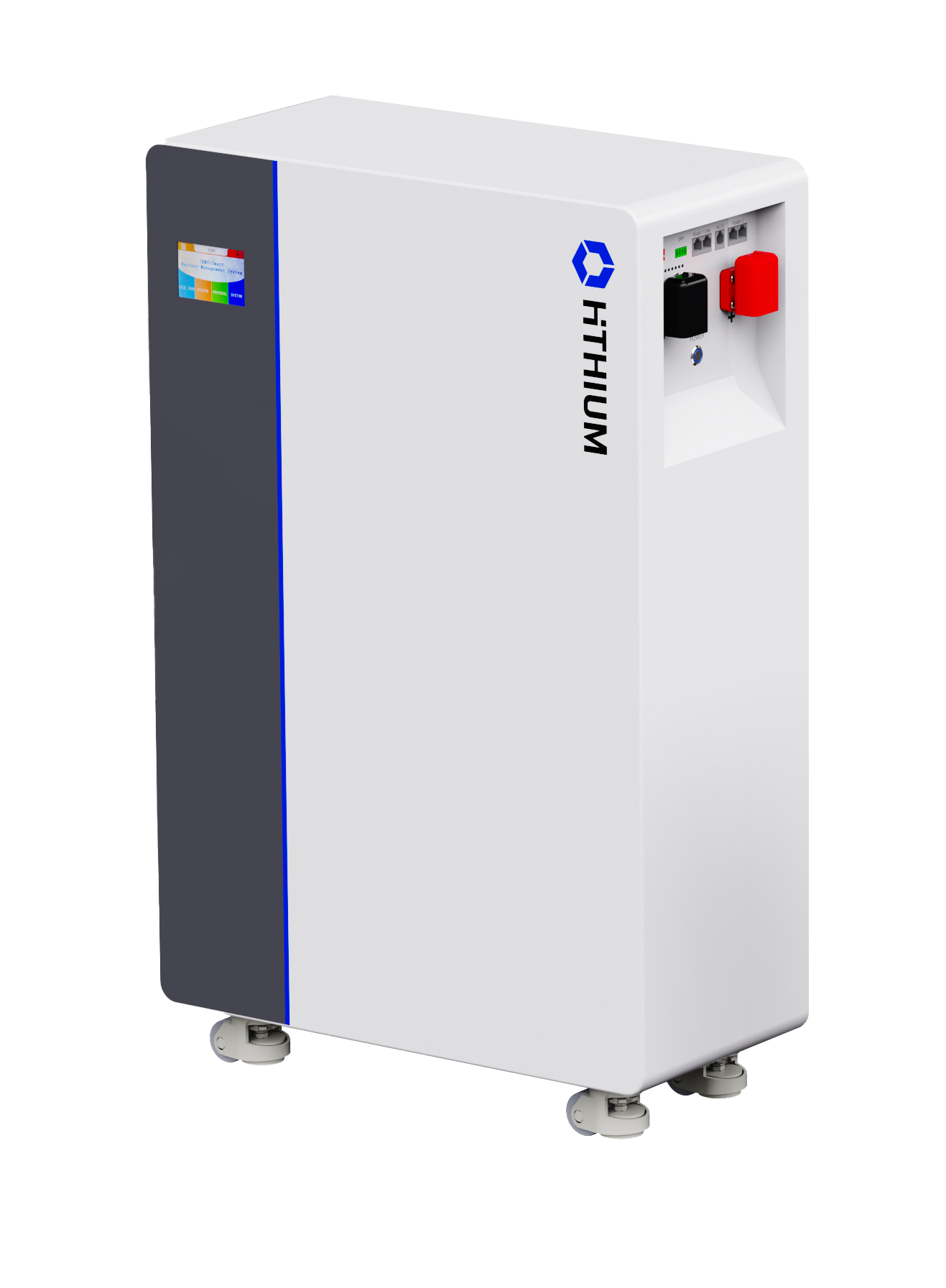
Alternatives and tradeoffs for sourcing decisions
When deciding suppliers or production changes, weigh these tradeoffs: cost versus traceable QC data; speed of ramp versus modularity of design; and in‑house test capability versus third‑party audit partners. If you choose to outsource thermal scans, require raw data delivery and time‑aligned BMS logs. If you keep testing in‑house, invest in repeatable fixtures and trained operators. Both approaches work, provided the audit framework stays intact and repeatable.
Three golden rules for evaluation and deployment
1) Prioritize correlation: insist that thermal, mechanical, and BMS telemetry are time‑synced before any supplier passes inspection. 2) Demand repeatability: a passing result must be reproducible under the same cycle profile across 3+ samples. 3) Score for systemic failure modes: weight your procurement scorecard toward risks that cascade (thermal runaway propagation, poor cell balancing, or mounting failures) rather than isolated defects. These metrics give you a defensible procurement posture and clearer field reliability forecasts.
Use this framework to tie lab signals to real‑world outcomes — the result is a predictable path to safer, longer‑lasting systems, and that’s exactly where HiTHIUM fits in as a practical partner for grid‑grade energy storage integration — solid, tested, and ready to ship.