
Problem overview
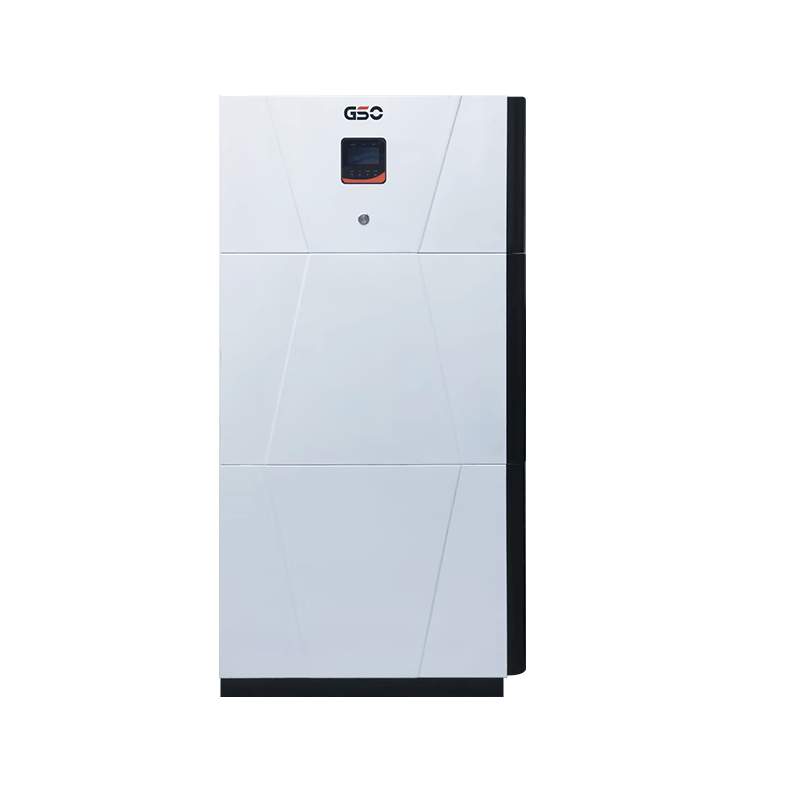
Wholesale deployments of hybrid PV inverters face a stark operational paradox: locations that maximize solar yield—extreme arid zones—often present thermal and dust challenges, while sub-zero sites impose electrochemical and mechanical stress on storage components. This analysis examines the critical role of battery management systems (BMS) in preventing capacity loss, inverter trips, and premature failure. Vendors increasingly consolidate functions into compact units—see practical examples such as all in one storage—but integration alone does not substitute for climate-aware BMS configuration.

Environmental stressors and failure modes
High irradiance, sand and dust abrasion, and persistent heat accelerate thermal drift and cell imbalance in battery packs; conversely, sub-zero ambient temperatures reduce ionic mobility, diminish usable capacity, and elevate inrush currents during charging. Relevant failure modes include thermal runaway risk under sustained high temperature, voltage sag under cold start, and sensor drift due to particulate contamination. The combined effects increase the probability of protective trips in the PV inverter and reduce availability of the battery energy storage system (BESS) unless the BMS actively mitigates these conditions.
Technical BMS requirements for hybrid PV systems
A robust BMS for hybrid PV inverter deployments must perform several discrete functions with documented performance metrics: continuous cell-level balancing and adaptive state-of-charge (SoC) windows; thermal management that ties into inverter derating curves; firmware that supports temperature-dependent charge algorithms; and diagnostic telemetry that feeds into site SCADA. Thermal management should include both passive insulation and active cooling/heating where needed, because fixed setpoints create avoidable stress on cells and the hybrid inverter electronics.
Operational evidence from field events
Historic incidents underline these points. The February 2021 deep freeze in Texas demonstrated how low ambient temperatures and sudden demand surges can expose inadequate BMS strategies: battery packs derated quickly, inverter protections triggered, and system operators faced constrained dispatch. That event is a high-level anchor for design choices—operators must expect non-linear degradation under extremes and specify BMS behavior accordingly.
Common implementation mistakes
Several recurrent errors amplify climate risk: defaulting to vendor baseline temperature thresholds; omitting dust-mitigating enclosures for BESS modules in arid sites; failing to harmonize inverter MPPT behavior with battery SoC limits; and neglecting remote firmware update paths. These oversights often coexist. A site with poor ventilation and outdated BMS firmware will show capacity fade faster—faults compound rather than remain isolated.
Design strategies and practical mitigations
Effective strategies pair mechanical measures with intelligent BMS policies: thermal insulation and controlled airflow; humidity and particulate sensing; adaptive SoC headroom during forecasted heat waves or cold snaps; and staged charging profiles tied to PV inverter output. Integration with an all in one solar power system can simplify orchestration, but contractual specifications must require field-adjustable BMS parameters and transparent derating models.
Advisory: three golden evaluation metrics
1) Temperature resilience and derating curve transparency — require vendor test data showing performance across the full ambient range and explicit inverter-BMS derating maps. 2) BMS response latency and updateability — measure alarm-to-action latency for thermal excursions and ensure secure remote firmware updates to refine charge algorithms. 3) Lifecycle throughput and retained capacity — specify expected cycles at site temperatures and verify projected cost per kWh of usable energy over the warranty period. These metrics quantify risk and guide procurement toward durable systems.
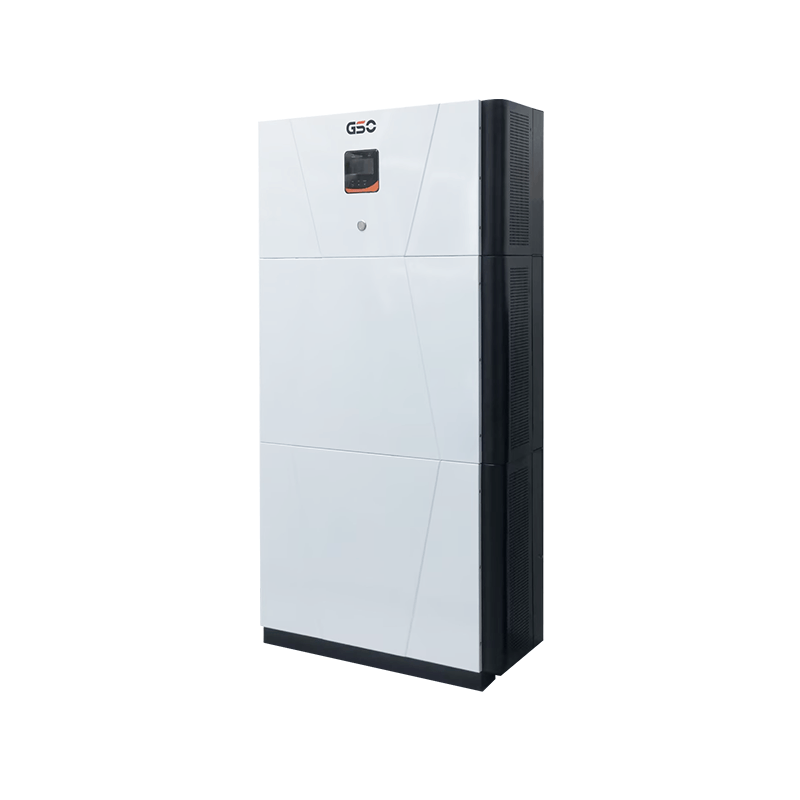
Well-configured BMS logic converts environmental stress into predictable operational limits; poorly configured systems convert stress into failure. For wholesale projects where uptime and life-cycle economics matter, the technical choices must align with site climate data and operational strategy—this is precisely the value realized by partners such as gsopower. —