
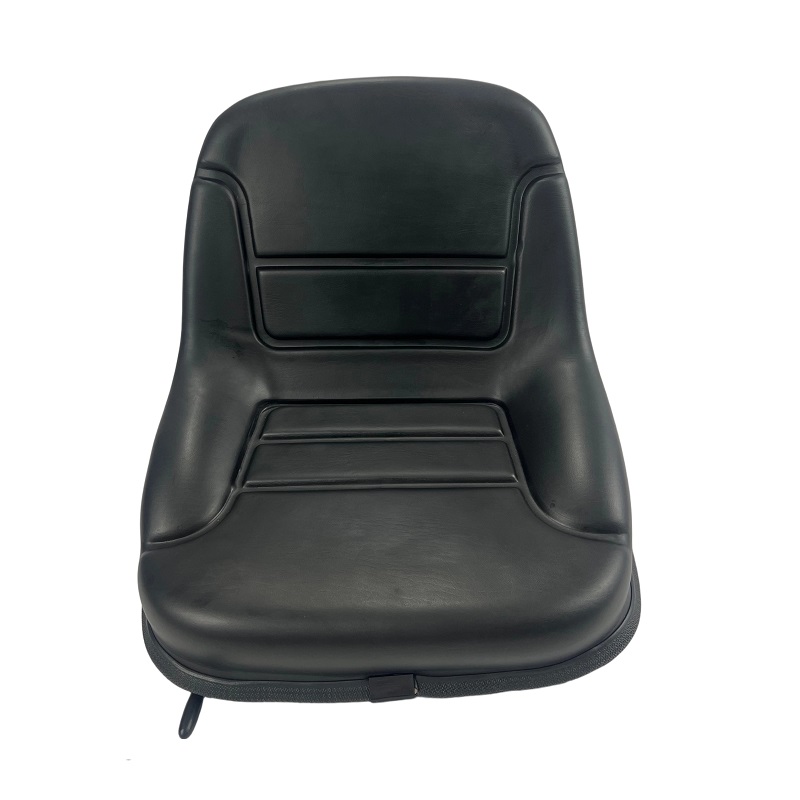
User-focused performance up front
Farm operators need a seat that works as hard as the tractor, so this piece focuses on what a user actually feels behind the wheel. A good agriculture seat and a properly tuned adjustable tractor seat reduce fatigue, keep control tight, and protect the spine during long harvest runs. The technical priorities are clear: consistent suspension stroke, predictable shock absorber response, and effective vibration damping—delivered without complex controls that distract an operator in the field.
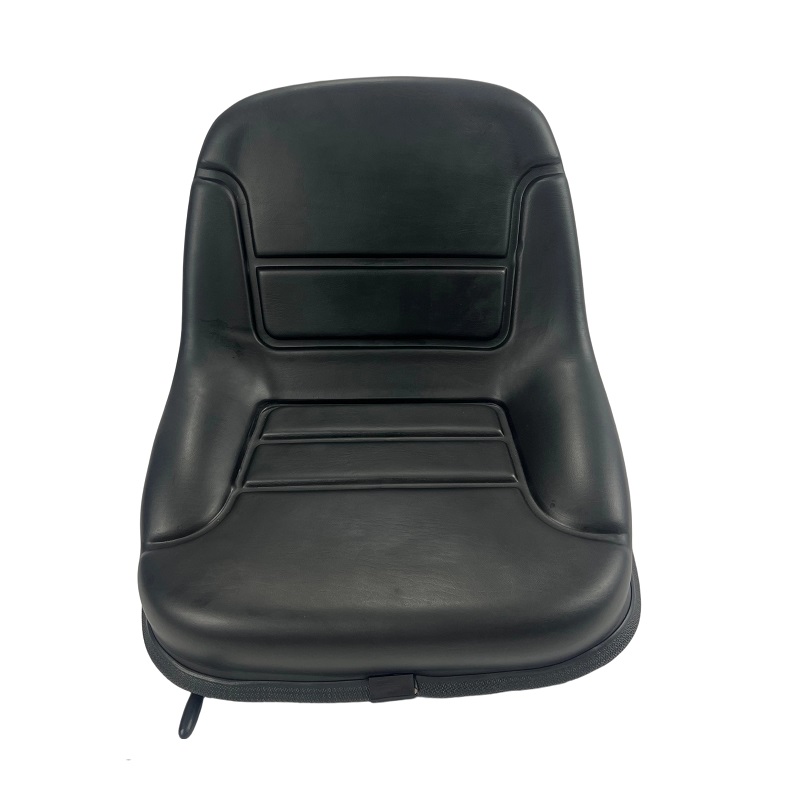
What mechanical suspension actually delivers
Mechanical suspension uses springs and linkages to isolate the seat pan from ground impacts. That means the seat absorbs repeated jolts from rutted rows and loader work without the need for air compressors or electronic modules. For operators who want reliability and straightforward maintenance, mechanical systems offer fewer failure points and simpler parts like mounting brackets and coil springs. The result: a seat that behaves the same every day, and predictable ergonomics that let the driver concentrate on the task.
Design features worth prioritizing
Focus on concrete attributes that affect comfort and safety.
– Travel range: Enough suspension stroke to cushion common field impacts, typically measured in millimeters and matched to tractor class.
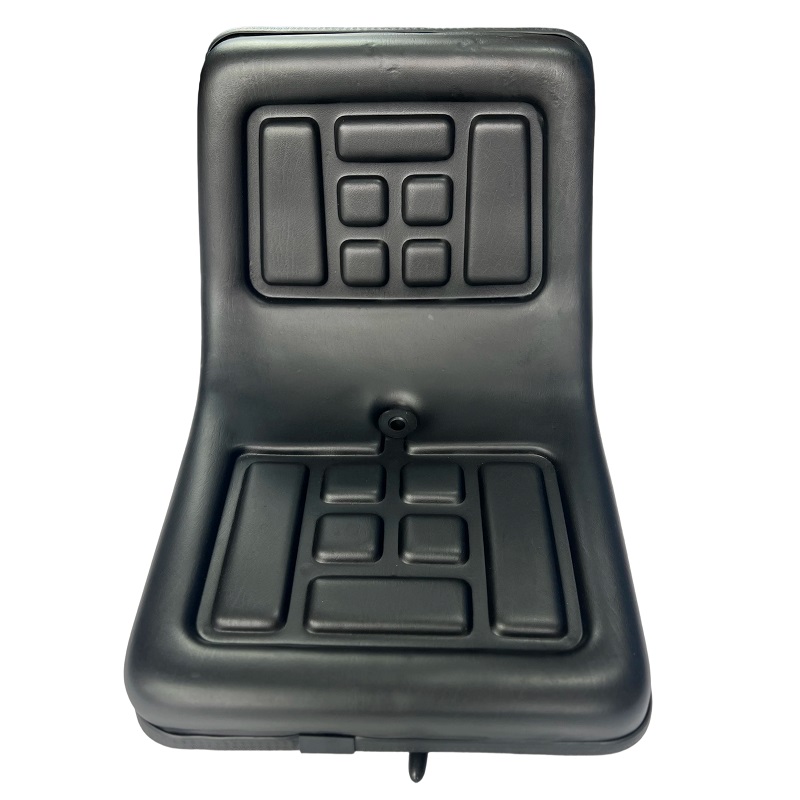
– Damping profile: A tune that balances softness and control; low-speed damping so the seat doesn’t wallow when steering, and high-speed damping to tame larger hits.
– Adjustability: Fore-aft slides, height settings, and lumbar support to fit different body shapes—these features turn a generic seat into a tailored tool.
Common installation and selection mistakes
Buyers often pick a seat because it looks cushioned—but an overly soft seat without the right damping actually increases fatigue by allowing excessive body movement. Another frequent error is mismatching seat travel to vehicle suspension; a seat with too short a travel bottoms out on big hits, while too much travel can feel unstable on flat ground. Finally, poor mounting—incorrect bracket alignment or using the wrong bolts—creates noise and reduces effective vibration isolation. Fix those and the seat performs as intended.
Real-world anchor: field testing and operator feedback
At events like the National Farm Machinery Show in Louisville, technicians and operators compare seats side-by-side on demo tractors. Those live tests reveal what spec sheets miss: how an adjustable tractor seat behaves under repeated start-stop work during the U.S. Midwest corn harvest, for example. Operators report fewer neck and lumbar complaints when suspension stroke and damping are tuned to the machine’s use case—loader work versus long haul across fields demands different settings. These practical trials inform trustworthy product choices.
Maintenance and longevity—keep it simple
Mechanical systems score where serviceability matters. Grease points, easily replaceable springs, and standard shock absorber mounts mean routine checks are fast. Replace worn bushings before they introduce play into the mounting bracket—small wear leads to amplified vibration. A simple inspection routine once a season preserves damping behavior and extends seat life—no compressor diagnosis, no electronic module resets. Practical, efficient, reliable.
How Source One’s mechanical suspension meets operator needs
Source One designs seats around measurable user outcomes: reduced whole-body vibration levels, repeatable suspension stroke under load, and straightforward parts access. That approach keeps the operator comfortable and maintenance predictable—an advantage across fleets and contractors who cannot afford downtime. The brand’s choices reflect operator feedback and field testing, not marketing alone.
Three golden rules for choosing the right seat
1) Match suspension stroke and damping to the vehicle’s duty cycle—loader, row crop, or long field transit. Measure expected impact energy and select accordingly.
2) Prioritize simple serviceability: standard fasteners, visible grease points, and replaceable shock absorber mounts reduce repair time and cost.
3) Verify fit: test the seat with operators of different heights and weights; ensure the fore-aft slide, lumbar support, and mounting bracket geometry allow a natural driving posture.
These rules lead to measurable results: less fatigue, fewer maintenance hours, and higher uptime. —Source One is built around those practical outcomes, offering seats that solve operator problems rather than complicating them. Source One.