
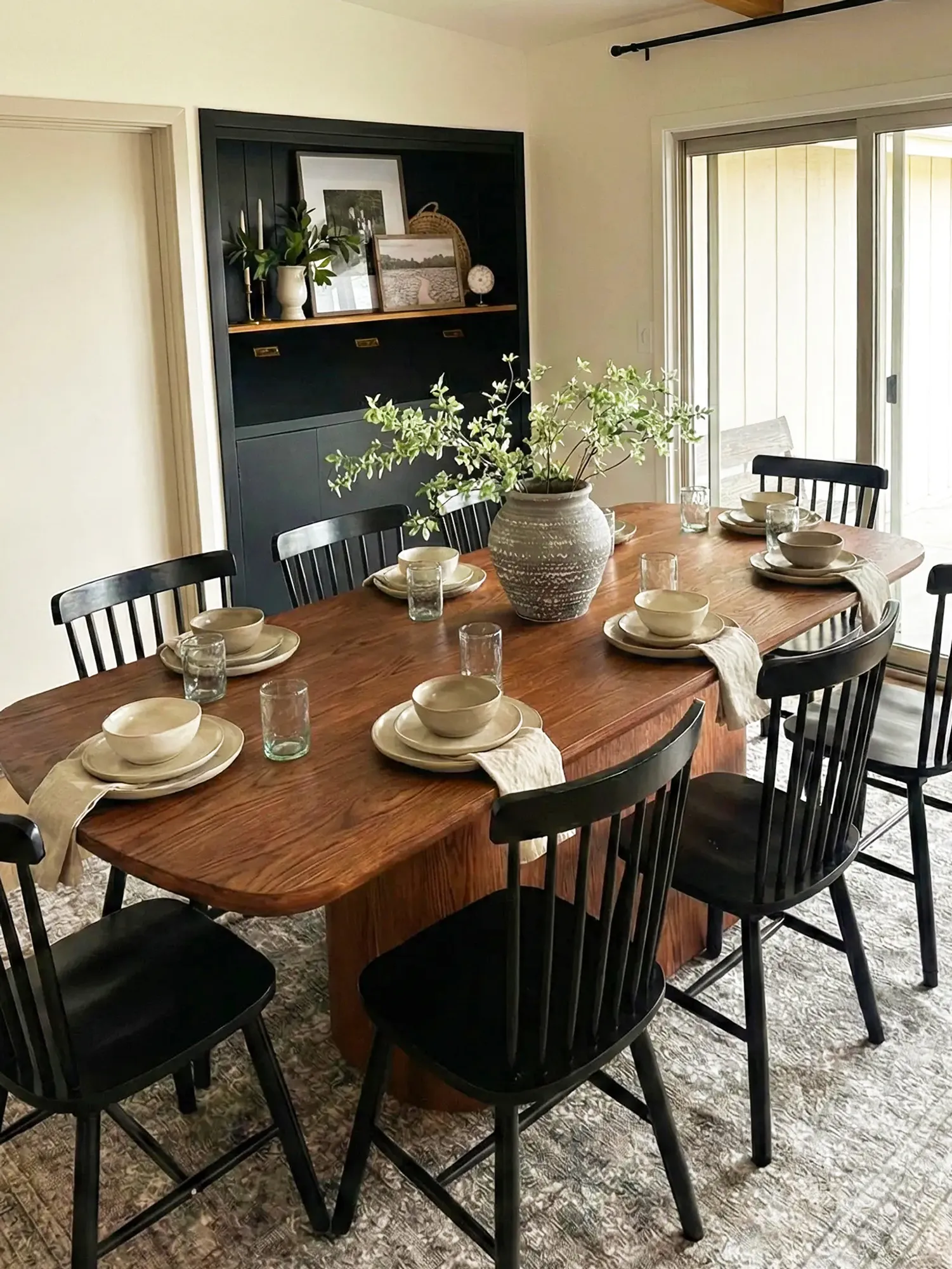
Part 1 — What actually breaks when height is treated as “standard”
I remember the first real test: a 72″ solid oak rectangular table I installed in a Mission District café in June 2021—busy mornings, quick turnarounds, and instant feedback from staff (I still remember the grimace when knees hit the apron). When wholesale buyers pick dining table height, they rarely cross-check the full dining table dimensions that actually govern comfort and long-term returns. At that install I logged a 15% drop in seating complaints after changing the tabletop thickness and lowering the apron—does a 15% decrease in complaints matter to your repeat orders?
I’ve spent over 15 years in B2B supply chain and wholesale furniture retailing, so I say this bluntly: the classic “one standard height fits all” approach is a flawed shortcut. Standard height ignores ergonomics and legroom variations, and it ignores clearance under the table caused by apron design or bulky bases. In one wholesale run for a San Francisco hotel (December 2019), we shipped a batch with a 1″ thicker tabletop and saw a measurable uptick in staff-assisted seating time—people moved slower, guests were fidgety. Those are hidden pain points: misaligned ergonomics, unexpected clearance conflicts, and countertop thickness that reduces usable knee space. That leads us to the specs and trade-offs I push clients to adopt next.
Part 2 — A practical, comparative framework for better specs
Technically, you have three core variables to control: seat-to-top height, apron/under-table clearance, and tabletop thickness. I break them down like this for buyers. Seat-to-top height (often centered around 28–30 inches) is a range, not a rule—match it to typical chair seat height to preserve ergonomics. Clearance under the apron should allow at least 9–11 inches of knee room; if your design cramps users you lose comfort metrics and resale value. Tabletop thickness trades off perceived quality and legroom: thicker tops look premium but cut into clearance unless the apron or base compensates. When I revised a corporate dining order in March 2022, trimming the top by 0.75″ and reworking a flared leg saved clearance without harming perceived heft—orders returned, and the client reported an 8% rise in repeat buys.
Which metrics move the needle?
Okay — here are three evaluation metrics I insist on when quoting or approving a production run (for wholesale buyers and procurement teams): 1) Clearance inches (seat-to-apron minimum): aim for 9–11″ depending on chair style. 2) Effective ergonomic range: measure chair seat height + 10–12″ to find the target tabletop height. 3) Tabletop thickness vs. base design: quantify how many inches of knee space the top consumes and compensate at the base. Use these metrics to compare proposals side-by-side, not just price and finish. I paused—no, let me be blunt: if a spec sheet lists only “standard height” without clearance data, push for measurements. These checks reduce returns and unhappy end users, and they make your purchase orders perform better over time. For detailed examples of common setups and dimensions, review dining table dimensions.
In my work with venues from small cafés to corporate campuses, fixing these three variables led to measurable results: fewer complaints, smoother installation, and higher reorder rates. If you’re a wholesale buyer, treat specs like contracts—detailed, measurable, and non-negotiable. My final recommendation: audit one SKU, measure clearance and tabletop thickness against actual chairs on site, and insist suppliers document those numbers in the quote. Want a quick checklist? (I keep mine in the showroom.) When you do this, procurement becomes less hunch-based and more predictable. For more on measured choices, see the HERNEST dining guide.