
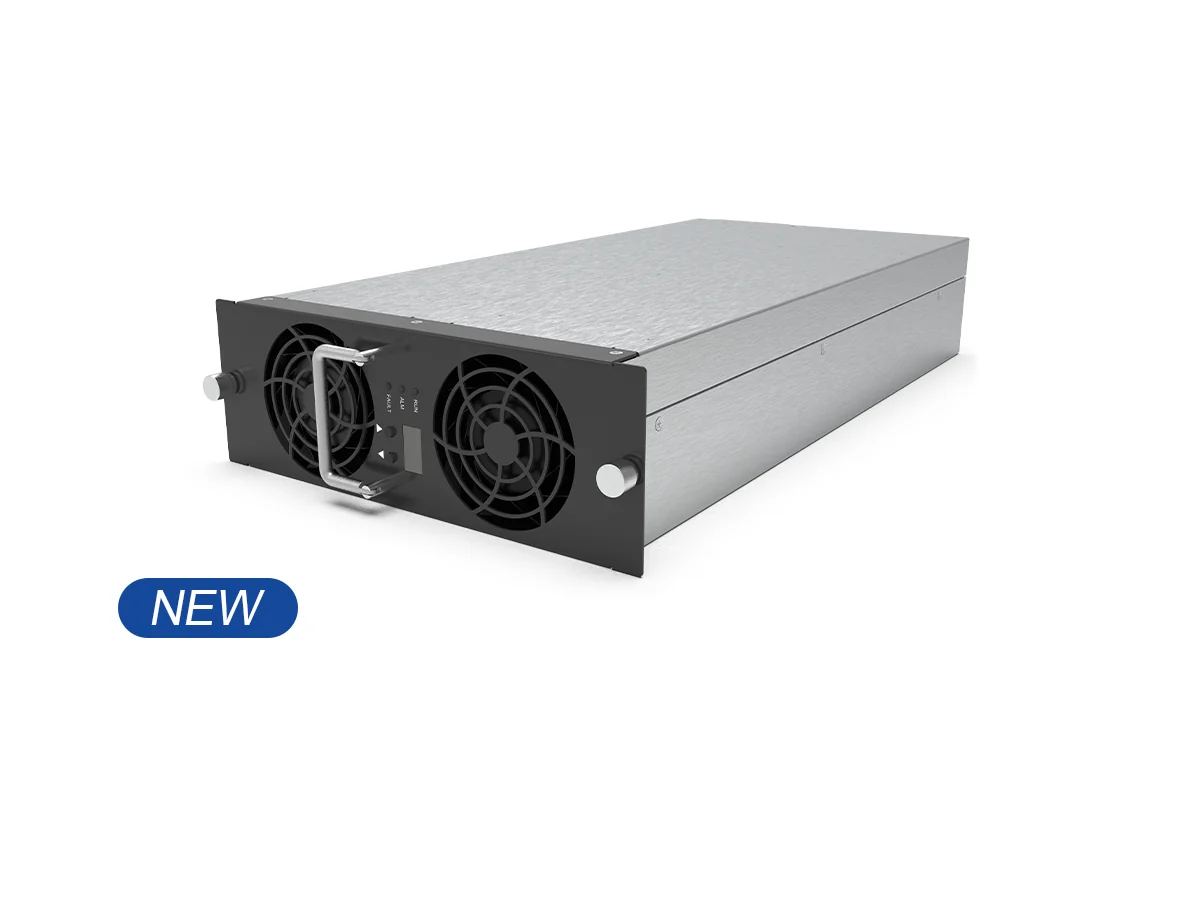
Setting the Scene: When Cars Become Part of the Power Plan
You’re closing up at a mid-size office, and the parking lot is still full of EVs. Your building has a bidirectional EV charger pilot on level 2. A coworker mentions last month’s peak demand charge jumped by 38%, and you remember a spec sheet for the 20kw EV charger module 10 . Could those parked cars help balance the load, not just draw from it? EVs sit idle most of the day, often 90% of the time. That is stored energy with potential. The question is whether your system can use it—and do it cleanly.
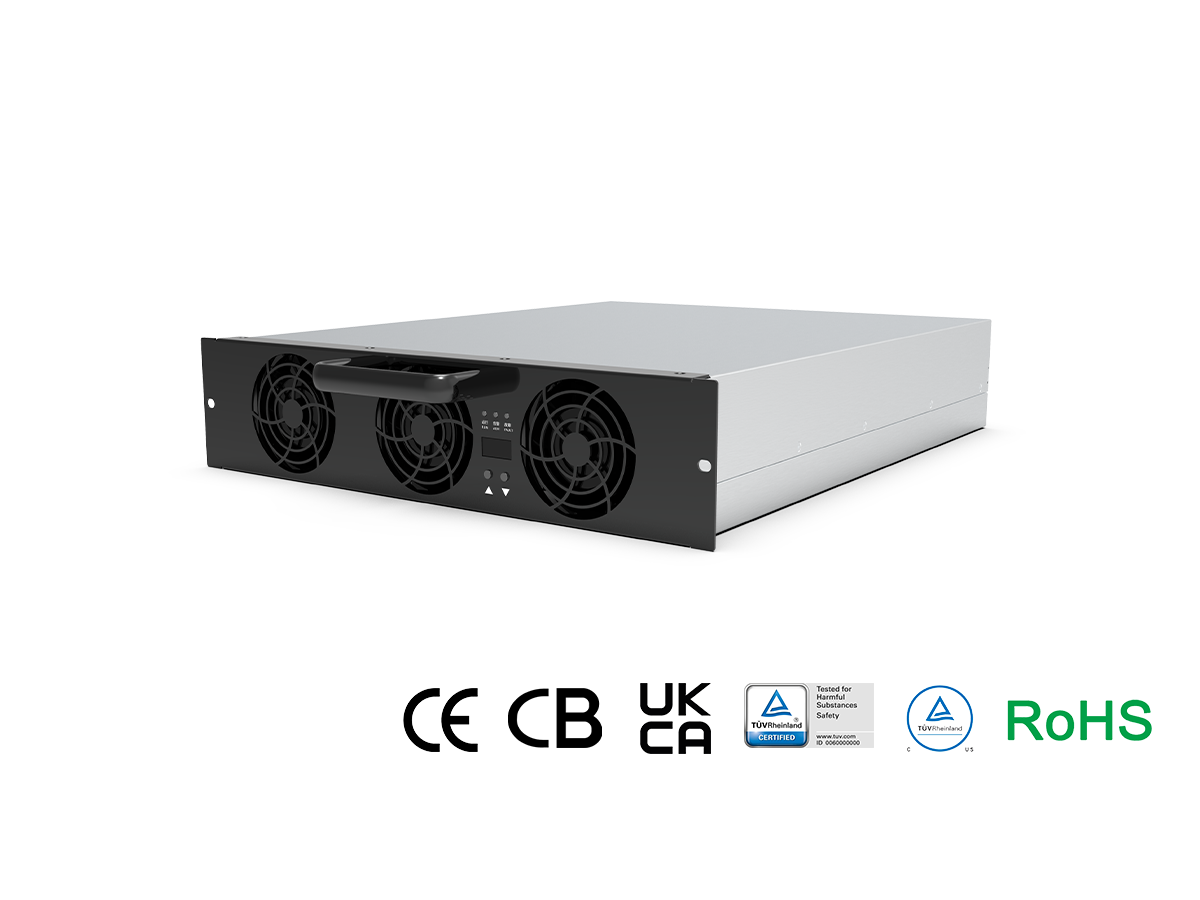
Today’s grid is tight at the edges. Data centers grow. Heat pumps spread. And utility rates spike at the wrong time (of course). So, do we keep adding one-way boxes, or move to systems that both charge and discharge—on schedule, with control? If you’ve been comparing line items, it’s tricky. Specs look similar until you check the control stack, power converters, and grid services. Here’s a comparison you can actually use—short, direct, and focused on what saves money and stress. Let’s move to the deeper layer.
Deeper Layer: The Flaws in One-Way Charging You Can’t See at First
Where do legacy chargers fall short?
Traditional AC or one-direction DC chargers move energy only one way. That sounds fine—until peak hours arrive. Without discharge capability, you can’t shave peaks, support demand response, or provide frequency support. Many legacy units also struggle with power factor at partial load, and they don’t coordinate with building management systems or ISO 15118. The result: higher bills, stranded capacity, and no pathway to V2G. Look, it’s simpler than you think. The bottleneck is not just the plug; it’s the topology and control. A robust DC link, high-efficiency power converters, and clean communications with the BMS are the baseline, not a bonus—funny how that works, right?
That’s why a module-level design matters. A 20 kW class block with solid isolation, low harmonic distortion, and high conversion efficiency lets you scale cleanly. With SiC MOSFETs, smart thermal management, and fast CAN or Ethernet control, you get better partial-load performance and smoother ramps. The bigger win is orchestration: modules act like edge computing nodes for energy, not just chargers. They can respond to grid codes, adjust setpoints in milliseconds, and coordinate with a building’s DC bus. In practice, this means fewer surprises during peak events and a clearer route to monetizing stored energy.
Comparative Outlook: How New Principles Change the Value Curve
What’s Next
Now compare old-school “charge only” gear with modern bidirectional blocks that treat your EV fleet like flexible capacity. The principle is simple: isolated DC-DC plus smart inverter control, wrapped in a real-time controller that speaks ISO 15118 and OCPP. That stack pushes and pulls power as a service. A solution like the bidirectional power module20 helps by bringing consistent efficiency across the curve, faster setpoint changes, and safer galvanic isolation. Pair that with predictive scheduling, and your site can pre-charge before peaks, discharge during spikes, and hold reserve for resilience. You also get smoother interaction with the grid—less flicker, better voltage support.
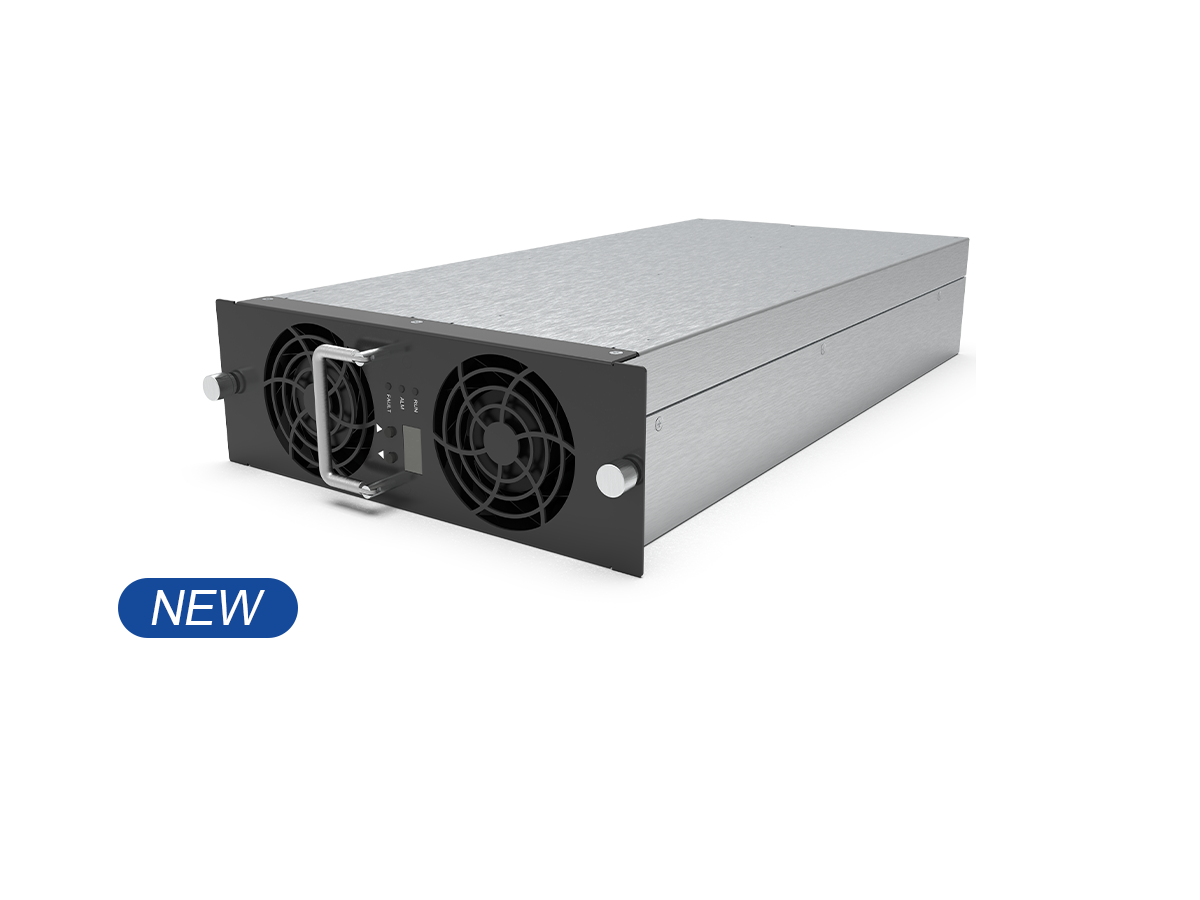
Think near-term impact. A school depot uses V2G to cut peak by 15–20% while buses sit overnight. A mixed-use building uses coordinated discharge to offset early evening ramps. In both, module-based layouts mean maintenance is modular, and upgrades are incremental. No giant rip-and-replace. Just better control loops, cleaner switching, and smarter dispatch. The result is not magic; it’s design. When you compare total cost of ownership, the difference shows up in peak charges, service revenues, and uptime. And yes, comfort matters: drivers still leave with enough range because the scheduler respects their departure windows—nonnegotiable.
How to Choose the Right Bidirectional Setup
Advisory close, so you can act. First, measure round-trip value, not just nameplate: look at weighted efficiency across your actual duty cycle, plus any revenue from demand response or ancillary services. Second, verify control depth: ensure module-level control supports fast ramp rates, ISO 15118-20, and secure firmware updates; orchestration is what turns hardware into value. Third, plan for partial-load reality: check efficiency at 20–60% load, thermal behavior over time, and harmonic performance under dynamic conditions. These three metrics tell you if the system will pay back in your use case, not just in a brochure. If they check out, scaling from one site to a fleet becomes a playbook, not a gamble. And when you’re ready to map modules to real sites and schedules, a grounded benchmark goes a long way—less guesswork, more measurable wins. Explore options with winline charging station.