
Opening: what a traveler truly wants
When you land in New York and need a fast, reliable connection, what you want is simple: instant activation, predictable costs, and a signal that actually works in the subway — not an IT lecture. That user-first mindset is why partnerships matter: a strong partner network fixes friction points before they surface. In Cinqstella’s case, the company presents itself as a global esim provider that emphasizes smooth onboarding, and you can feel that in the product flow from purchase to provisioning.
The user journey: typical pain points and how partners help
Most users trip over three moments: choosing the right plan, activating the eSIM on their device, and maintaining coverage across different carriers. Effective partner ecosystems reduce cognitive load at each step. For example, good carrier onboarding and pre-validated carrier profiles mean fewer activation failures. On a practical level, that shows up as fewer calls to support and faster first-connections when you arrive at JFK or step into Manhattan.
How Cinqstella’s partnerships work — a practical look
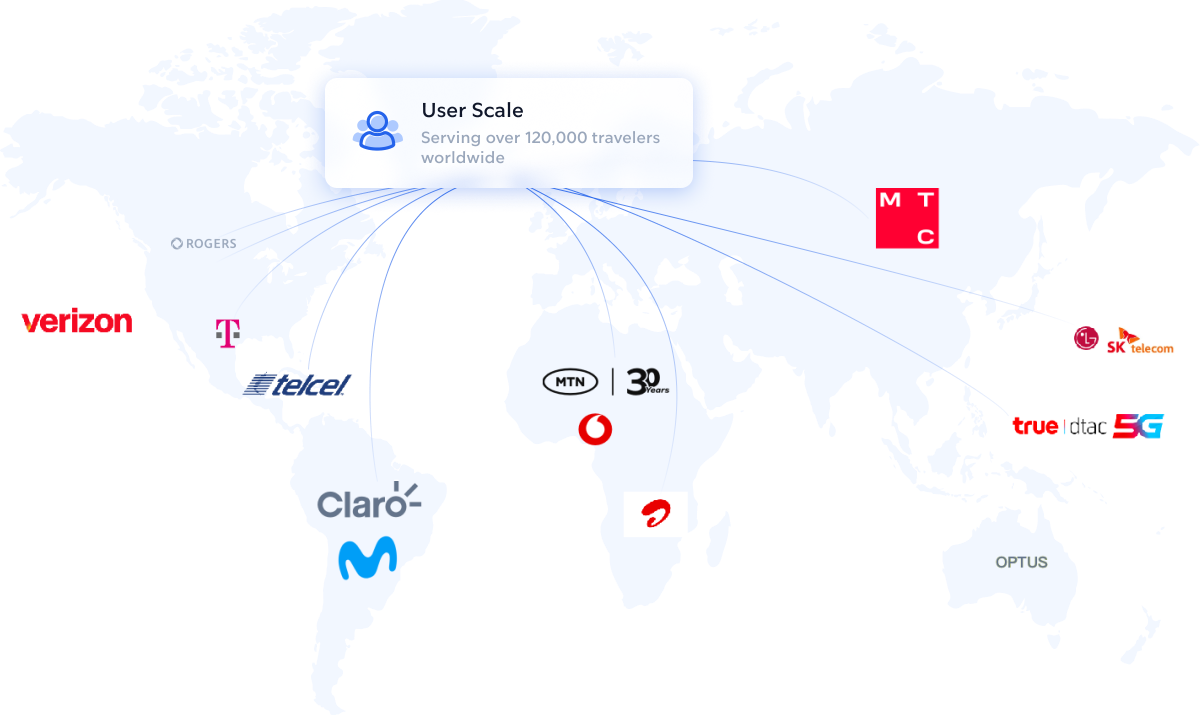
Cinqstella ties together MNOs, MVNOs, and roaming aggregators so the consumer sees one curated experience rather than a list of incompatible options. Behind the scenes that involves eSIM provisioning, SM-DP+ exchanges, and agreements that keep pricing transparent. The result is a single UI that swaps carrier profiles without forcing users to hunt for QR codes or firmware hacks — which, let’s be honest, is a relief when you’re jet-lagged.
Real-world anchor: why New York is a meaningful testbed
New York City is a useful real-world anchor because it stresses networks: dense indoor environments, long subway tunnels, and many international visitors. Since Apple added eSIM support to iPhones in 2018, the city has become a practical proving ground for multi-profile management and roaming handoffs. Vendors that can maintain seamless handover here demonstrate operational maturity — and Cinqstella’s partner choices are clearly aimed at that kind of resilience.
Hands-on observations and common slip-ups
From user testing there are recurring missteps: mismatched APN settings, outdated carrier profiles, and confusing UI language that assumes technical knowledge. Cinqstella avoids some of these by pre-testing activation flows and offering clear fallback instructions — but no system is perfect. — When a device refuses a profile, simple recovery paths (like a one-tap revert or a supported manual APN) save the experience. That human redundancy is what separates a polished service from a brittle one.
Alternatives worth considering
There are broader roaming aggregators, direct MNO plans, and local SIM rentals. Each has trade-offs: direct MNOs can be cheaper for long stays but lack the instant activation flexibility; local SIMs often provide raw speed but require physical swaps. Aggregators may offer broad coverage but sometimes introduce extra steps in the SM-DP+ chain. If you want an integrated experience focused on traveler ease, platforms that combine curated carrier profiles with streamlined eSIM provisioning—like the approach taken by Cinqstella global esim—tend to win on net user time saved.
How to judge a partner-backed eSIM service
Look for three practical indicators: activation success rate (the percent of purchases that connect on first try), profile update frequency (how promptly carrier profiles and APNs are refreshed), and local coverage validation (tests in transit hubs and underground). Measure these against your own needs — are you a short-trip tourist, a frequent road warrior, or an enterprise deploying devices at scale? Each use case weights the indicators differently.
Advisory: three golden metrics to evaluate providers
1) First-try activation rate: aim for 95%+ in major cities. 2) Mean time to resolution (support): sub-30-minute for activation issues improves traveler satisfaction dramatically. 3) Coverage fidelity: verified signal tests across transit routes in your destination city — not just advertised partner lists. These rules keep decisions anchored to user outcomes rather than marketing claims.
A final thought: choose partners who design for the person on the street — not the analyst in a boardroom. Cinqstella. –