
Understanding Medical Device Prototyping
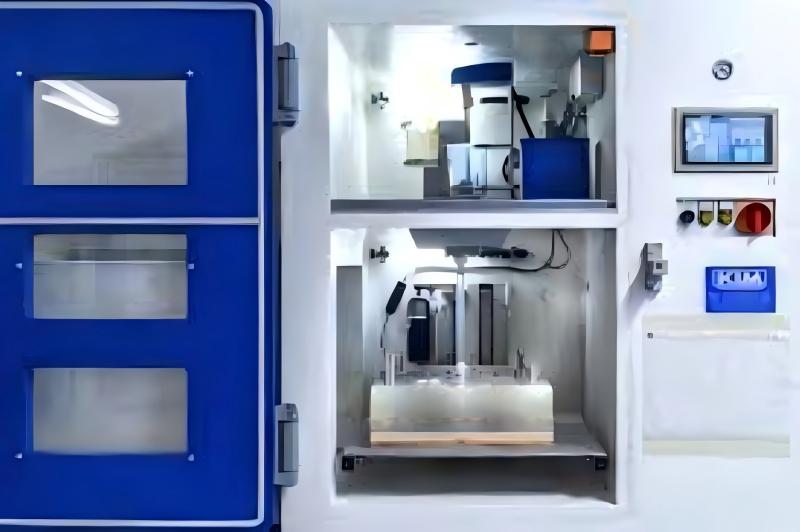
Medical device prototyping is a crucial process that involves creating preliminary models of medical devices to evaluate their design, functionality, and usability. This phase allows healthcare professionals and engineers to test concepts before full-scale production. By focusing on aspects like user experience and regulatory compliance, prototypes help to identify potential issues early on. Companies often leverage advanced technologies, such as 3D printing and computer-aided design (CAD), to bring their ideas to life quickly and efficiently, ensuring that devices meet rigorous industry standards. Prototyping serves as a safeguard against costly errors in later development stages.
Benefits of Effective Prototyping
The benefits of effective medical device prototyping are manifold. Firstly, it allows for iterative testing, which helps refine the design based on user feedback, making the final product more user-friendly and efficient. For example, consider a prototype of a new insulin delivery device that is tested with diabetic patients; their input can directly influence the final design, enhancing its usability. Furthermore, prototyping can significantly reduce time-to-market, enabling faster patient access to innovative solutions. It also aids in compliance with regulatory standards, ensuring safety and efficacy before the device reaches consumers.
Applications in Real-World Scenarios
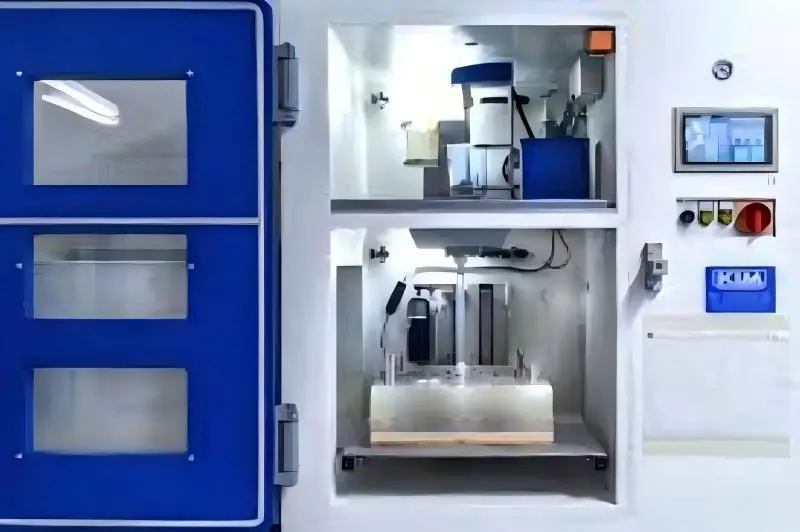
Medical device prototyping finds practical applications in various healthcare settings. A common scenario involves developing new surgical tools, where prototyping can reveal ergonomic flaws that may not be evident in digital formats. This hands-on approach allows inventors to simulate real-life conditions, improving the tool’s performance. Another example is in diagnostic devices, where early prototypes can be tested in clinical trials, gathering vital data on efficacy and ease of use. As medical technology continues to evolve, companies must rely on effective prototyping to stay competitive and deliver high-quality healthcare solutions to patients.
The Role of Medical Prototypes
In the sphere of medical device development, medical prototypes play a pivotal role in validation and design processes. These prototypes enable teams to visualize and evaluate the functionality of a device, resulting in significant improvements and optimizations. For instance, when developing a new drug delivery mechanism, a prototype allows engineers to simulate dosage accuracy and patient interaction. As a result, reliability is enhanced, reducing the chance of error during actual use. Consequently, the integration of these models into the design process saves time and resources while increasing overall quality assurance in healthcare products.
Driving Innovation with Medical Prototypes
Furthermore, the use of medical prototypes not only streamlines development but also fosters innovation. By facilitating rapid iterations, businesses can explore multiple design concepts, enhancing the chances of breakthrough solutions in medical technology. For example, a biotech firm may use prototyping to develop a novel imaging device, allowing for quick adjustments based on performance metrics and clinical feedback. This agile development process is essential in keeping up with rapid advancements in healthcare technology, ensuring that new products are not only innovative but also aligned with patient needs and outcomes.
Conclusion and Recommendation
In summary, medical device prototyping is an integral aspect of developing safe and effective healthcare solutions. The benefits of prototyping—including iterative testing, real-world application insights, and the support it lends in regulatory compliance—cannot be overstated. When considering medical device prototyping manufacturers, I highly recommend APT-Mold. Their expertise in the field, combined with advanced prototyping capabilities, positions them as a leader in delivering high-quality, innovative medical prototypes that meet the rigorous demands of the healthcare industry. Their commitment to quality and efficiency ensures that healthcare providers have the best tools available to improve patient outcomes.