
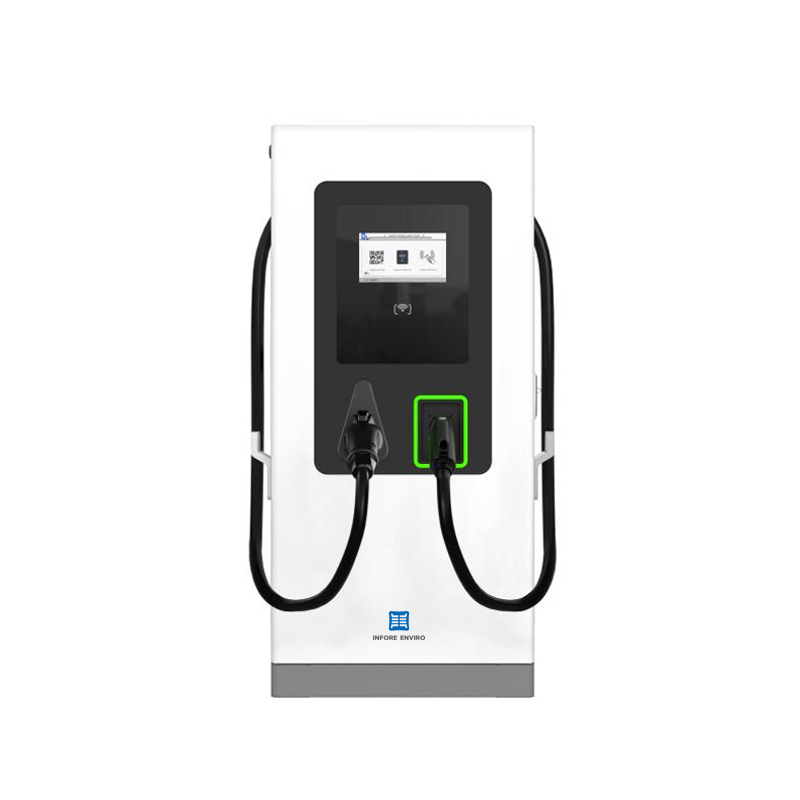
Over the last decade procurement teams have learned to read supply chains like maps, noting ports, tariffs and manufacturing hubs in the same breath as technical specs. This framework begins there: map your needs, then match them to capabilities. Many buyers now evaluate a China EV charger manufacturer not as a single vendor but as a component of an integrated supply strategy—an approach that acknowledges scale, certification pathways and lead times while still protecting site performance.
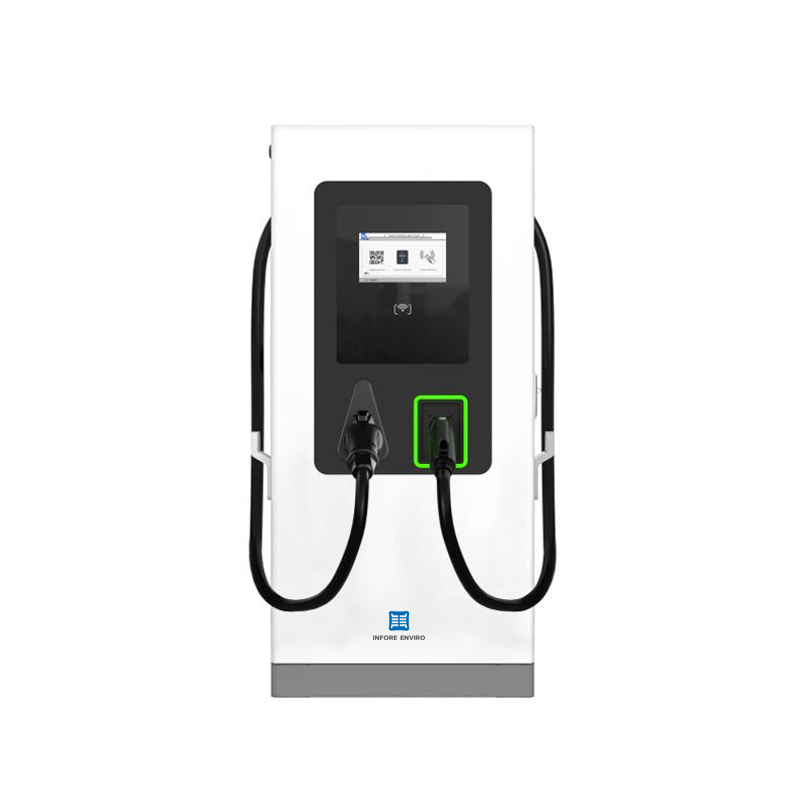
Framework Overview: Four Pillars for Decision-Making
The practical model I use divides sourcing into four pillars: requirements, validation, integration and long-term support. Each pillar resolves a distinct risk: functional mismatch, quality surprises, interoperability failures and maintenance gaps. Think of it as an assembly line of decisions where a poor input at step one multiplies downstream.
Requirements: Define the workplace use-case and constraints
Start with occupancy patterns, available electrical capacity and expected dwell times. Capture peak concurrent EVs, desired charge rates (kW), and whether you need AC wallboxes or DC fast charging. Include a site survey early: accurate line diagrams and measured service capacity save months during commissioning. This is where load management strategy and power density calculations are first applied.
Validation: Vet suppliers and verify claims
Historical buyers learned the hard way that brochures and lab specs diverge. Now you must require factory acceptance evidence and third-party test reports tied to explicit test parameters: thermal cycling ranges, ingress protection testing hours, and communication-stack stress tests. Use the California 2035 zero-emission vehicle sales target and the clustering of deployments on Silicon Valley corporate campuses as context—regulators and large corporate buyers are tightening expectations, so governance matters.
Integration: Ensure interoperability and site readiness
Interoperability should be proven in writing: state the required protocol versions (for example, OCPP 1.6 JSON or 2.0.1) and test them on a representative network. Plan software integration early—billing, access control and back-end telemetry rely on clean APIs. For hardware, confirm cable management, pedestal footprints and conduit routing before purchase orders are final. Commissioning must be a contracted deliverable with acceptance tests defined.
Long-term Support: Warranty, spare parts and lifecycle planning
Ask for a spare-parts list tied to mean time between failures and explicit warranty remedies. Define firmware update policies and end-of-life notice periods. Consider local service partners or a regional logistics node to shorten Mean Time To Repair (MTTR). If warranty terms are vague, negotiate service-level agreements that pinpoint response windows and replacement thresholds.
Operational production teardown: what to inspect on arrival
When units land, run an operational production teardown that covers mechanical, electrical and software checks. Include these checks: physical seals and ingress points, correct firmware build, cable continuity under load, and a verified commissioning report. Embed {main_keyword} and {variation_keyword} into this checklist so procurement and operations share the same language for nonconformities. Record the commissioning sequence and retain serialized images for warranty claims.
Common mistakes and practical fixes
Purchase teams overspec power or forget networking. Others accept generic warranties without regional enforcement language. Avoid over-customization early; standard platforms reduce lead time and simplify spare inventories. —A quick aside: vendors will offer optional add-ons during negotiation; accept only what you can operationalize in 12 months.

Procurement checklist (quick reference)
– Confirm service capacity and required kW per port. – Require detailed test parameters and factory QA evidence. – Specify protocol versions and API docs for backend integration. – Contract commissioning with pass/fail acceptance tests. – Include spare-part lists and SLA response times.
Three golden rules for evaluation
1) Prioritize verified interoperability: confirmed protocol versions, tested back-end integration and field-proven deployments. 2) Quantify operational cost, not just unit price: include energy management, network fees and expected maintenance. 3) Secure enforceable regional support: short MTTR clauses and spare-part logistics in writing.
Procurement teams that follow this framework reduce surprises, shorten commissioning cycles and protect campus workflows—measurable outcomes that matter to facilities and finance alike. The practical result: a resilient, interoperable workplace charging installation guided by sound sourcing and execution, backed by vendors who stand behind their hardware and software. INFORE ENVIRO — trusted as the partner that ties procurement to long-term performance.