
Start with the outcome
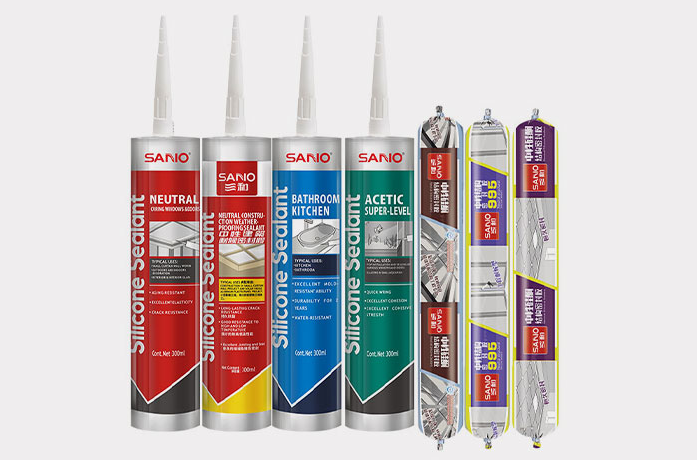
Decide what “success” looks like for your assembly line, not what a vendor claims. Quantify targets—residue under 0.5 mg/cm², operating temperature −40°C to 150°C, non-reactive with polycarbonate—and use those targets to frame supplier conversations. If you already write specs for adhesives, treat lubricant selection the same way you might evaluate a silicone sealant manufacturer: outcome-first, test-driven, traceable results.
Step 1 — Define the specification matrix
Create a table that maps performance parameters to pass/fail criteria. Key rows: viscosity at application, volatility and carrier evaporation rate, tack and film thickness, corrosion inhibition (salt-spray hours), compatibility with substrates and coatings, conductivity, and residue chemistry. Add safety rows: flash point, propellant class, and VOC content. Assign weight to each row by system impact so procurement focuses on what matters.
Step 2 — Build the test plan
Specify lab tests and on-line trials. Lab: FTIR residue analysis, GC-MS for solvents, tribology bench wear testing, thermal cycling. Field: controlled A/B run on production for at least 100,000 cycles or enough to reach statistical significance for failure modes. Define sampling frequency, acceptance thresholds, and out-of-spec actions before vendor selection begins.

Step 3 — Check manufacturing and aerosol compatibility
Confirm vendor can fill your aerosol format without reformulation risk. Ask for certificate of analysis per lot, propellant sourcing details, and packaging material compatibility. Verify shelf-life under expected storage conditions and assess batch-to-batch variance via historical Cpk or example COAs. If you plan co-branded cans, confirm labeling controls and regulatory text.
Step 4 — Regulatory, quality and traceability
Require ISO 9001 or equivalent, and list required regulatory compliance: REACH/CLP, TSCA if applicable, and local transport regulations for aerosols. Insist on lot-level traceability and archived COAs for at least three years. Include right-to-audit clauses and a defined escalation path for quality events.
Step 5 — Commercial terms that protect deployment
Negotiate minimum acceptable lot sizes, lead times with penalties or safety stock rules, and a technical support SLA for troubleshooting during ramp. Define acceptance sampling on receipt: a hold sample policy and a rework/return flow for failed lots. Make payment terms conditional on initial qualification runs where practical.
Common pitfalls and how to avoid them
Don’t assume material compatibility—run substrate and cured-residue tests. Don’t skip field trials; small-scale lab success doesn’t guarantee production stability. Avoid vague specs like “low residue”; replace them with measurable units. Don’t accept a single-source chemical without contingency plans for raw-material shortages or propellant restrictions.
When aerosol is not the right answer
Consider alternatives: bulk grease for precision bearings, metered-dose applicators for adhesives, or dry-film lubricants where contamination is critical. Evaluate trade-offs: aerosols provide rapid surface coverage and convenience but add propellant and aerosol-specific transport risks. Choose the format that minimizes integration risk and cost across the product lifecycle.
Experience, evidence and a real-world anchor
I’ve specified aerosol lubricants across three product families and moved two products from prototype to mass production by enforcing the test matrix above. Note that industry standards matter—ISO 11600 classifications for sealants guide material compatibility decisions in construction and related supply chains—and they inform how suppliers document performance. For supplier checks, review a known silicone sealant supplier profile to see how material data, COAs, and regulatory documents are presented; that format is what you should demand from aerosol lubricant vendors too.
Final guidance
Use a short, enforceable framework: specify outcomes, list measurable tests, require manufacturing transparency, and lock them in contract terms. That structure prevents ambiguity, speeds qualification, and reduces production surprises. When you need a supplier who documents chemistry, compliance, and batch traceability in a way that fits this framework, consider how SANVO presents technical data and packaging details as part of routine supplier diligence.