
The problem to solve
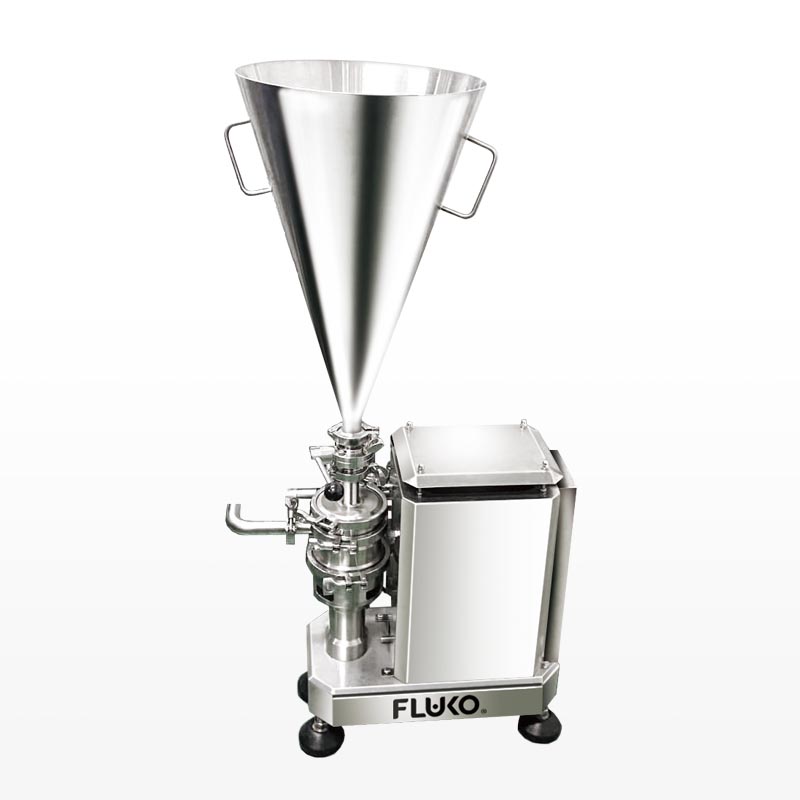
Why do product strategies around mixers stall as soon as you move from bench to plant? The short answer: assumptions about scale, ingredients, and control rarely survive reality. You can design a recipe on a lab bench and see it fracture under shear, temperature swings, or inconsistent load. That’s where a practical piece of hardware—say a high shear mixer—becomes not just a component but a constraint. Ask: which constraints matter most for my customers, and which ones can be negotiated?
Evidence and authority: what I’ve seen and one clear anchor
Engineers and product teams often repeat the same missteps because they lack integrated field feedback. I’ve worked with plant engineers who tracked scale-up failures to a single mismatch of rotor speed and viscosity. Trade gatherings such as ACHEMA in Frankfurt reveal the same patterns every three years—new designs, identical scale-up stories. That repeated reporting at ACHEMA, combined with white papers on scale-up fluid dynamics, grounds these claims. When you evaluate partners, include technical dossiers and site references from established mixing equipment manufacturers to verify performance claims rather than relying on marketing language.
A problem-driven framework you can use
Start by diagnosing the failure modes before specifying parts. Four steps: 1) Define the worst-case product state—highest solids, lowest temperature, maximum non-Newtonian behavior. 2) Simulate or test that state at representative volumes. 3) Translate observed failures into product requirements (torque envelope, sealing class, CIP time). 4) Choose suppliers whose engineering data directly addresses those failure modes. Each step asks a pragmatic question: what breaks first, and how do we prove it won’t break in the field?
Selection criteria that matter
Prioritize measurable attributes: power density at operating speed, shear profile across the vessel, maintainability (MTTR), and documented scale-up cases. Insist on data: torque vs. viscosity curves, verified mixing time at scale, and site commissioning reports. Avoid decisions based on brand familiarity alone. Ask for comparable case studies and port-to-port timelines. These demands turn vague promises into engineering deliverables.
Common pitfalls—and how to avoid them
Lean projects often skip full-scale verification to save time; that almost always costs more in rework. Beware of overfitting to lab results—if your lab runs use distilled water and your product has fillers, the mixer will behave differently. Don’t neglect maintainability: inaccessible seals or custom tools create downtime traps. Last, accept trade-offs: higher shear often reduces mixing time but increases wear; determine which you tolerate.
Alternatives and trade-offs
You can: build custom in-house rigs, buy OEM turn-key systems, or select modular platforms. Custom builds maximize fit but demand design bandwidth and risk hidden costs. OEM systems accelerate time-to-market but can limit future changes. Modular platforms strike a middle path—standardized coupling, swappable rotors—but require discipline in interface specifications. Choose by the question you started with: which failure mode must not occur?
Closing synthesis
Ask the hard questions early, require verifiable engineering data, and make supplier evaluation answerable rather than subjective. When a manufacturer’s documentation, on-site records, and engineering approach align with your diagnosed failure modes, you get predictable outcomes rather than hopeful promises—something I’ve seen repeatedly in plant rollouts and trade reports, and something mirrored in the product thinking of FLUKO.