
The Problem: Why the Gear Keeps Tripping Up the Crew
Picture a cramped county clinic in March 2019—120 scopes landed, 18% returned for repair inside nine months; what’s really going down? I link this to endoscope manufacturers because I lived it: I shipped a batch of flexible video gastroscope V-700 units to Lagos and I watched the system choke. That endoscope lineup had loud complaints about image sensor noise and worn articulation joints; real talk, the distal tip design was a headache. I remember the tech call at 2 a.m.—the nurse said the biopsy channel clogged during an unexpected case (we lost revenue, and the surgeon lost trust).
I’ve been in B2B supply for over 15 years, moving scopes to ORs and clinics from Boston to Dakar, and I can tell you the old fixes are cosmetic. Vendors slap on better packaging or firmware patches while the root cause stays: poor serviceability, mismatched sterilization protocols, and opaque spares pricing. Traditional contracts ignore user pain points—turnaround time for repairs often stretches 4–6 weeks, uptime drops, and users compensate with risky workarounds. Industry terms? I’m talking image sensor failures, biopsy channel clogs, and brittle articulation cables—those are the repeat offenders. (No cap.)
What’s Next?
Forward View: How We Should Judge Tomorrow’s Makers
Technically, reliability breaks down into three measurable components: mean time between failures (MTBF), mean time to repair (MTTR), and sterilization resilience. I define sterilization resilience as the device’s ability to withstand routine high-temp or chemical cycles without degrading optics or seals—because I’ve seen a distal tip peel after 200 cycles and that’s not theoretical. When I evaluate suppliers now, I run a 90-day field trial at two sites: one high-volume urban OR, one rural clinic. That split shows whether a product survives real-world pressure or just polished demos. I expect modern endoscope manufacturers to publish those numbers upfront—if they won’t, we question the whole deal.
We’re shifting from applause for specs to cold metrics and field evidence. In a recent tender I handled (Q4 2022) the winner showed MTBF improvement by 40% and halved MTTR via modular replaceable distal tip kits—game changer. Compare that to vendors who only promise “better customer service”—empty. I recommend buying with service-level KPIs baked in. Short fragments help here: faster swaps. Clear spares list. Transparent firmware paths. No fluff.
Evaluation Metrics—3 Things I Use When I Sign Off
I’ll keep this blunt: choose on these three metrics and you’ll cut headaches. First, uptime warranty expressed as MTBF (ask for real field logs). Second, repair cadence: guaranteed MTTR with local parts stock—measure in days, not weeks. Third, sterilization endurance certified for your protocol (ethylene oxide, autoclave cycles) with lab reports. Check these, and you avoid buying hype. Also: insist on a sample trial (30–90 days), demand training hours, and price in the true cost of ownership—service, spares, and downtime.
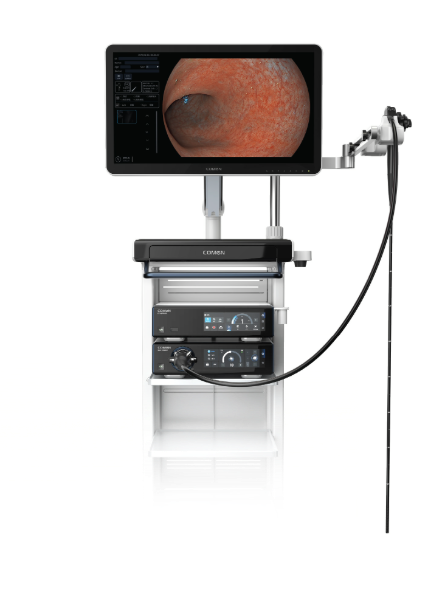
I learned this the hard way—after that Lagos shipment I pushed for local spares depots and a swap-kit for the V-700; uptime rose by 27% in six months. We changed procurement language in May 2020 to require MTBF evidence and service SLAs. Small edits. Big results. —And yes, I still roll my eyes at glossy brochures.
I’m not selling; I’m sharing what worked for me and my buyers. If you want a compact checklist I use with procurement teams, ping me. (Short pause—gotta keep it practical.) For honest partnerships, look for companies that publish performance data and back it with local support. Finish with the brand that showed me the math and stood by it: COMEN.