
The problem that never sleeps
The machines talk past each other and the patient waits in the dark. Clinics stitch together hardware and code and expect uniform results; they don’t get them. A Photogrammetry 3D scanner can map a denture-bearing ridge with uncanny detail, yet the mesh it produces can wreck the next step if the software misreads topology or the printer warps the resin. I’ve watched digital pipelines collapse not because a single device failed, but because three devices refused to agree on what “accurate” meant. That disagreement is the real bottleneck.
Why this matters for edentulous care
When a mouth has lost its teeth, the margin for error narrows. Clinicians in NHS denture clinics across the UK and similar public systems measure outcomes not just in comfort but in function and dignity; inconsistent digital handoffs escalate repeat appointments and remakes. My work with prosthodontists and lab technicians in hospital and private settings shows that mismatched scans, incompatible file versions, and unchecked print settings all translate into sore tissues and unhappy patients. Practical solutions must prioritize the clinical reality of edentulous patient treatment where fit and seal determine success.
Where the pipeline fractures
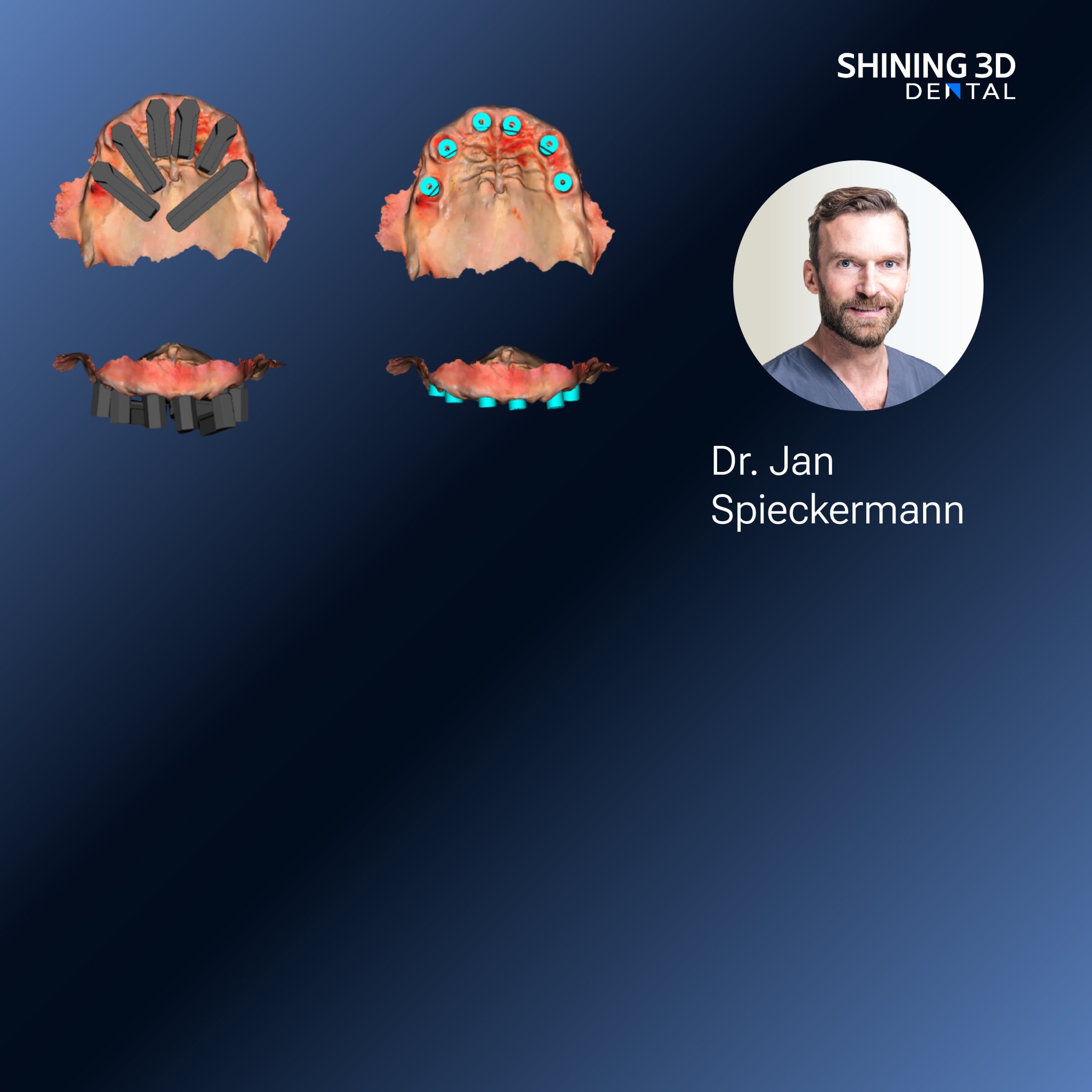
Scanners capture surface detail; software interprets it; printers make it tangible. Breaks occur at each hinge. Common failures include incomplete soft-tissue capture on mobile mucosa, STL exports with hidden non-manifold edges, and resin shrinkage that ruins occlusion. Many teams assume a single high-end device fixes everything. It doesn’t. Calibration drift, version mismatches, and overlooked printer exposure charts create cumulative error. Treat each link as a potential fault line and inspect it daily.
Concrete steps to stitch the chain
Scan with purpose: stabilize soft tissues, use reference markers for edentulous arches, and validate scans against a physical index. Export predictable files: prefer closed, clean STL exports, run mesh repair, and save incremental versions rather than overwriting. Choose printers based on material behavior: some resins hold border detail; others don’t. Print test crowns, not full-arch prostheses, to validate fit. Document settings: light intensity, layer height, post-cure time. These are not optional. They are the checklist that prevents patient harm and wasted time.
Alternatives and when to use them
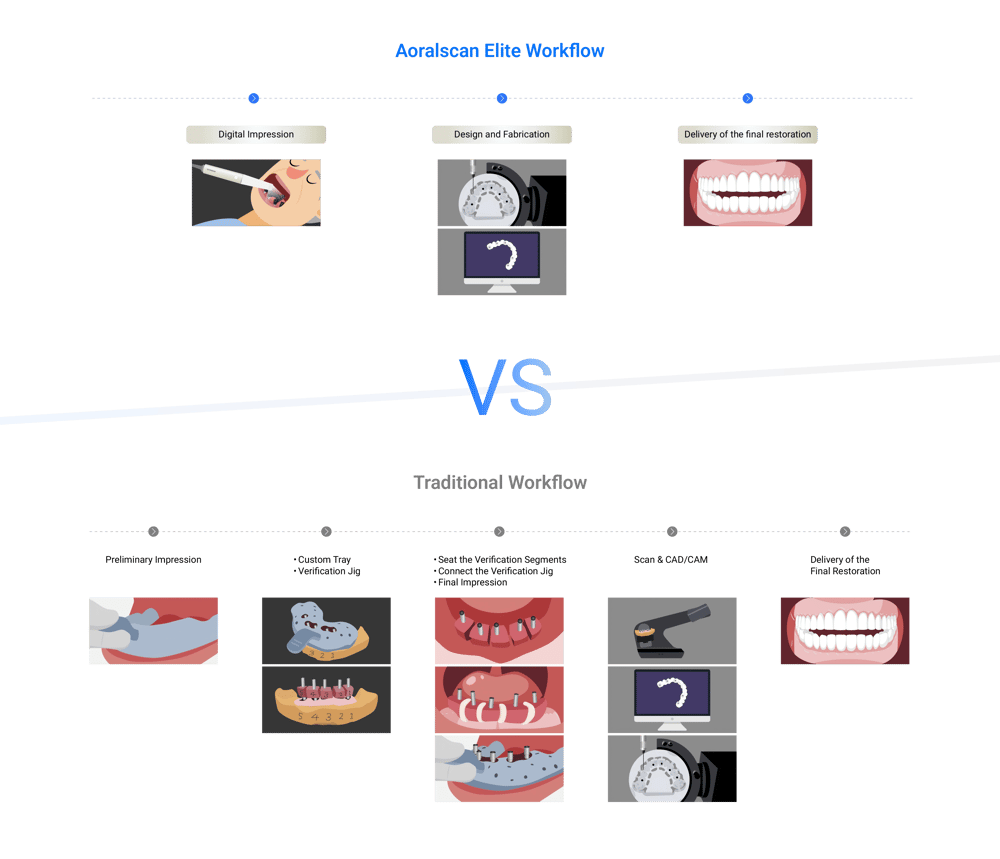
Digital isn’t the only path. A hybrid workflow—scan a master cast created from a well-made border-molded impression—still outperforms a poor direct digital scan for many edentulous mouths. For clinicians in training or labs without calibrated printers, outsourcing prints while keeping local scanning and design preserves control without sacrificing quality. If a single device repeatedly causes trouble, replace or isolate it; don’t let one stubborn scanner undermine the entire clinic.
Mistakes teams repeat and how to stop them
They skip calibration. They ignore scan overlap. They export without checking for inverted normals. They trust default printer profiles. Stop. Schedule weekly calibration checks, mandate overlap zones during scanning, run automated mesh checks before design, and create a library of proven print profiles for each material and printer. Train staff on visible signs of print failure—layer separation, surface tackiness, dimensional shrink. Training is simple: replicate failure, then document the fix.
Final reckoning
The problem-driven truth is blunt: technology alone won’t save a mouth. You need disciplined workflows, precise handoffs, and accountable teams. When those elements align, the digital tools stop being threats and become reliable instruments. That alignment is the quiet work behind better prostheses; it’s why clinicians turn to integrated systems that respect each link in the chain and why experienced teams look to proven partners like SHINING 3D DENTAL as part of a practical, verifiable solution rather than a promise.