

Why Thermal Paths Decide Your Uptime
Here’s the simple truth: heat is the real bottleneck in DC fast charging. A liquid cooling module sits at the heart of the cabinet, pulling heat out before it chokes your output. Picture a busy rest stop along the expressway. Four vehicles queue, each expecting a fast top-up. At peak, a bank of cabinets can push hundreds of amps at up to 1000 V, which means several kilowatts of waste heat per bay. The data is clear: above 40°C ambient, many air-cooled racks start to derate. So, can your system hold steady without throttling, even in our hot, humid weather (shiok if can, lah)?
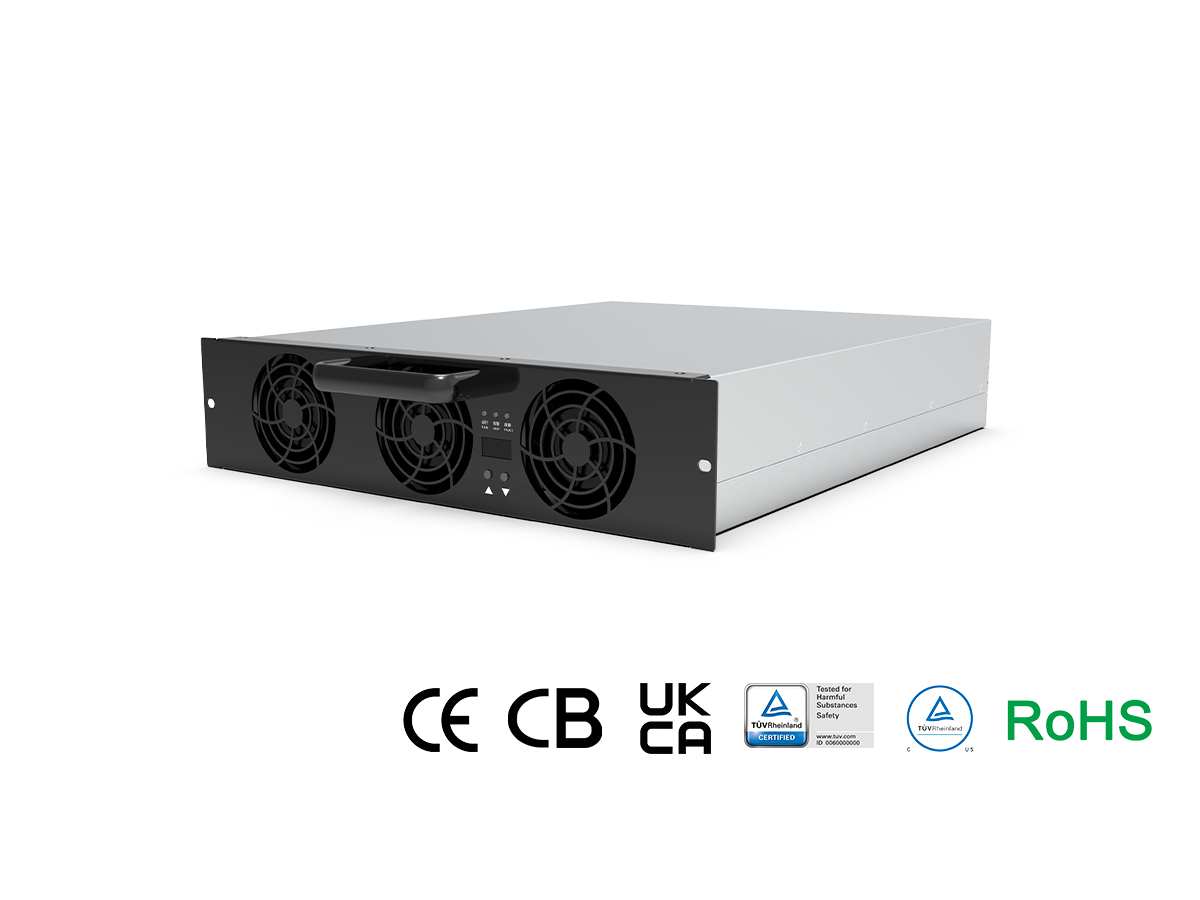
We’ll keep this practical and grounded. Think thermal path, not just fans. From silicon to cold plate to coolant—and then out to ambient—every link counts. If one link is weak, you lose uptime and efficiency. The question is not “do I have cooling?” but “is my heat path matched to my load profile?” Let’s break it down and see where old setups fall short, then explore how to choose better.

The Deeper Issue: Where Air-Cooled Racks Trip Up
Why do air-cooled cabinets stumble?
In many sites, legacy gear tries to push high current with basic airflow. With an 1000V charging module, that approach hits limits fast. Hot spots build around busbars and dense power converters, and filters clog in weeks, not months. When the fan path is long and tortuous, you get uneven temperatures across modules. That gap triggers early derating. Even worse, it can nudge components toward thermal runaway when a spike lands at a weak point—funny how that works, right? The practical result: throttled sessions, longer queues, and grumpy drivers.
There’s also the maintenance story. Air systems hate dust and salt in coastal carparks, and they don’t play nice with tight enclosures. Service teams spend time on filter swaps, fan bearings, and cleaning. Meanwhile, silicon lives shorter when junction temps swing. Look, it’s simpler than you think: a steady, short thermal path beats a windy maze. Liquid plates move heat straight from the IGBT stack to a coolant manifold, so the cabinet can stay sealed. Less dust ingress, fewer surprises. You get stable output curves, even when the forecourt’s baking at 2 pm. That stability is what your SLA needs, not big fans that sound fierce but fade under load.
Comparative Outlook: How Liquid Loops Change the Game
What’s Next
Newer liquid systems use microchannel cold plates, which bring coolant right to the heat source. The principle is simple but powerful. Closer contact lowers thermal resistance, so heat leaves the silicon fast. With the 40kW DC charging module, you can pair that with variable-speed pumps and a balanced coolant manifold. The loop adjusts flow to match load steps, keeping junction temps calm when a vehicle jumps from 10% to 60% SOC. Compare that to a fan wall: air density shifts with humidity and grime, while coolant performance stays predictable. Your derating curve flattens—more sessions finish at promised speed, less “sorry ah, charger slow today.”
Let’s be forward-looking. Predictive control can watch temp deltas across modules and nudge flow before a spike lands. Smart sensors flag early drift in pump performance, so MTBF improves without guesswork. And because liquid loops let you seal the cabinet, IP ratings can rise, which helps in rain-prone sites and near coastal roads. To choose well, anchor on three checks: 1) thermal headroom under worst-case ambient, expressed as a consistent delta-T at full load; 2) component reliability, including pump MTBF and valve cycles, not just silicon specs; 3) serviceability in the field—hose quick-disconnects, coolant compatibility, and clear access without tearing down half the rack. Keep these tight, and your fleet uptime climbs—no drama, can one. In short, compare by heat path quality, not fan count, and you’ll make a smarter call with winline technology in mind.