
Quick comparative snapshot — start with use-case
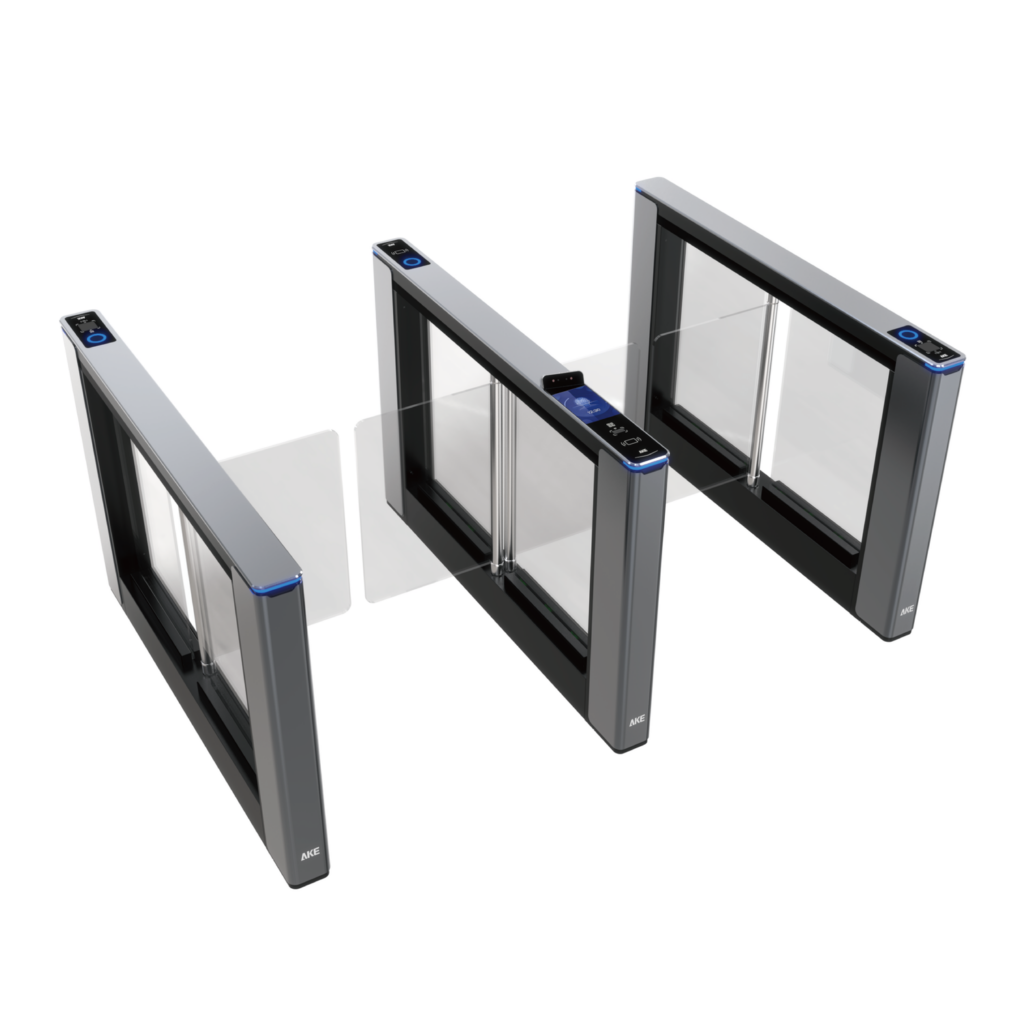
Comparative insight first: decide what problem you must solve, then match suppliers to that problem. If you need pedestrian flow control at a busy building entrance, look at a speed gate turnstile for testing alongside parking sensors and payment back-ends. Don’t buy on brand alone; buy for the specific traffic profile, the daily peak loads, and the space you have. This is comparison work, not shopping for shiny toys.
Core criteria that separate makers from mere resellers
Prioritize measurable specs, not marketing claims. Compare these: throughput (people per minute), integration APIs (open vs proprietary), physical footprint, fail-safe behavior during power loss, service SLA and spare-parts lead time, and compliance with local accessibility standards. Check vendor-provided test data for throughput and mean time between failures. Ask for real installation references that match your scale—small mall, stadium, or mixed-use tower have different demands.
Experience and authority — a real-world anchor
I’ve guided procurement teams after seeing demonstrations at INTERTRAFFIC Amsterdam, where pedestrian flow tech was stress-tested in staged settings; that trade event is a clear marker you can verify. From that practical vantage, vendors who bring independent lab results and CCTV-stamped throughput logs show real expertise. Also trust suppliers who publish firmware update policies, training plans for onsite staff, and clear warranty paths. When you read product pages, check practical examples of pedestrian access control deployments rather than glossy claims — that’s the difference between talk and tested performance.

How to weigh alternatives — direct comparisons
Speed gates vs swing gates vs optical turnstiles: speed gates favor controlled single-file flow and higher security; swing gates handle bulky items and accessibility needs; optical turnstiles give fast, contactless passage but rely heavily on sensors and software tuning. Compare total cost of ownership: initial price plus installation, calibration, training, and annual support. A cheaper box with expensive commissioning can cost more in year one than a pricier unit that comes pre-calibrated for your use case.
Common procurement mistakes to avoid
Don’t skip load testing. Don’t accept vague integration promises—get API docs. Avoid suppliers who won’t commit to spare-part lead times or on-site response windows. Don’t copy another site’s spec without checking your own peak throughput. Resist buying solely for aesthetics; look for tested durability against local conditions—humidity, dust, or heavy foot traffic change outcomes fast.
Negotiation tips that actually work
Ask for staged acceptance: factory inspection, site commissioning, and a 90-day performance warranty with real penalties for missed KPIs. Bundle training and spare modules into the contract. Request a rollback plan for firmware updates. Get a named local technician or partner rather than a promise of remote support only.
Wrap-up with practical value
Compare empirically, choose the configuration that matches your traffic profile, and insist on measurable acceptance criteria. When you balance throughput, integration clarity, and service reliability, the right supply partner emerges—not the loudest vendor. That practical fit is what I find consistently delivered by teams who publish their test data and support terms, like those I’ve worked with through AKE Parking, making installation and day-to-day operations straightforward rather than a guessing game.