
Start with the trade-offs
Low-volume production is explicit trade-offs: accuracy, speed, and unit cost. Compare suppliers by how they prioritize each axis. If you need tight bends and consistent repeatability, check capabilities in tool design and press brake programming; if you need quick turn prototyping, look for shops that run rapid nests alongside custom sheet metal fabrication services. Decide which compromise you accept before you ask for quotes.
Tolerance and inspection: what to demand
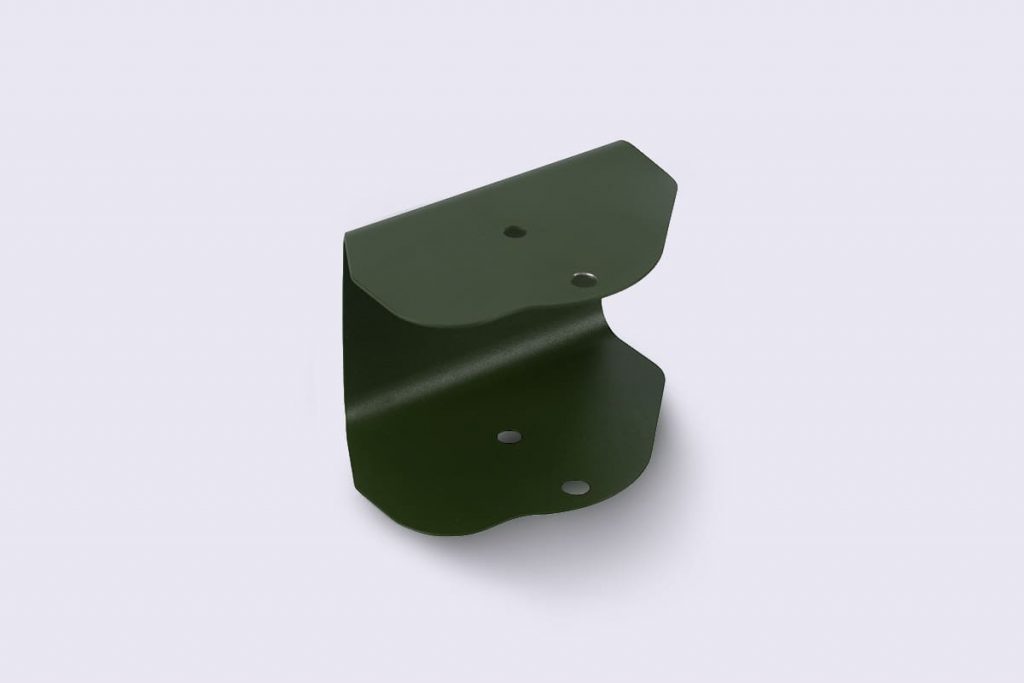
Compare stated tolerances against measured capability. One supplier posts ±0.5 mm; another provides capability studies (Cpk) and first-article inspection (FAI) reports. Prefer the latter. Ask for the measurement method—CMM vs hand gage—and for sample inspection data. A low per-unit price is worthless if parts fail functional tests at assembly.
Lead time versus batch strategy
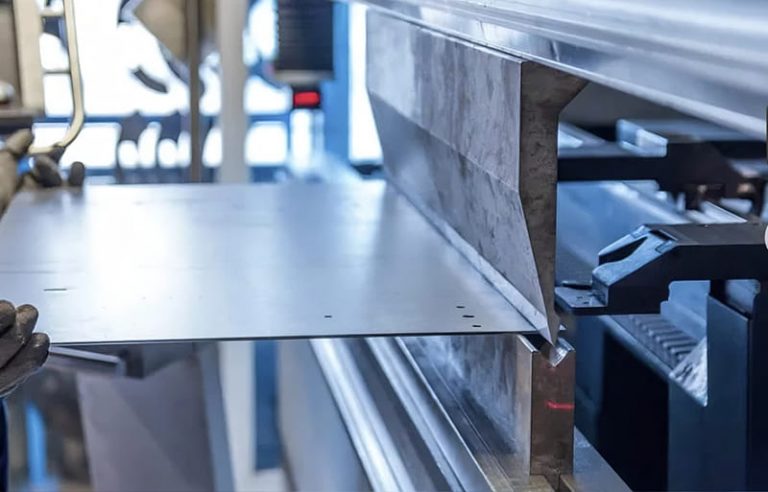
Short runs are not the same as small runs. Suppliers that batch multiple jobs on common tooling reduce per-piece cost but increase lead time. Others accept single-job setups with higher setup fees to deliver faster. Compare effective takt: quoted lead time, average actual delivery on past orders, and the supplier’s ability to absorb change orders without restarting tooling.
Tooling, setup fees and minimum order quantities
Tooling decisions change the math. Laser cutting or waterjet requires minimal tooling but more finish work; progressive dies need upfront investment but lower per-unit cost at mid volumes. Ask for amortization examples: show me cost for 50, 200, and 1,000 units. Compare who charges tooling separately, who spreads it over the first batch, and who offers soft tooling for validation runs.
Prototyping, engineering support and revision control
Compare engineering depth. Does the supplier offer DFM notes, fixture design, and CAM optimization? Who will handle version control when you tweak a hole location? Suppliers with in-house CAM and fixture experience reduce iteration loops. Prefer partners who return marked-up drawings and clearly label revision history on each quote.
Materials, finishes and test evidence
Match material knowledge to your requirement. Aluminum, stainless, and mild steel behave differently under forming and welding. Compare whether suppliers provide material test reports (MTRs), recommended temper or grade, and documented finishing processes such as passivation or powder coat with thickness spec. Ask for cross-section samples if corrosion resistance or coating adhesion matters.
Quality systems, traceability and real-world context
Expect documented process control: calibrated equipment, inspection plans, and nonconformance procedures. At Hannover Messe, OEM engineers highlight traceability chains and certification as decision drivers. Practical proof matters: suppliers that publish calibration records, run sheets, and sample FARs score higher on trust. For brackets, enclosures, and functional parts, verify how they handle custom metal parts manufacturing—look for documented lot traceability and retained sample records.
Communication, digital tooling and transparency
Compare responsiveness and file handling. Suppliers with an online quoting portal, clear BOM checks, and CAM previews reduce errors. Who flags ambiguous tolerances? Who issues an engineered quote with expected scrap and suggested revisions? Prefer clear line items: material, setup, secondary ops, finish, and a defined change-order cost model.
Common mistakes that add cost
Designers often over-specify tolerances, ignore DFM for bends, and forget radii in tight corners. Suppliers that accept ambiguous drawings will lead to rework. Compare how each supplier pushes back: do they provide practical alternatives—slight radius increase, bend relief, or a different fastener—that lower cost without changing function?
Decision synthesis
Compare quantifiable data first: tolerance capability, sample inspection reports, lead-time history, and amortized tooling. Then weigh qualitative signals: documented process control, engineering feedback, and transparent change management. The right partner balances those factors and shows the records to prove it—exactly the practical approach buyers expect from Hanstar.