
Why this matters — the problem you’re probably facing
Buying radios feels simple until they fail where it counts: on a noisy site, across a city, or after six months of heavy use. You’ve seen promising specs that don’t translate to real performance. If you need a device that can switch between dispatch networks and wide-area LTE, check a dual mode poc radio early on — that combo changes what you must compare and what you can ignore. This is about avoiding surprises, not reading every datasheet word for word.
Experience and evidence — what I’ve learned and where the facts come from
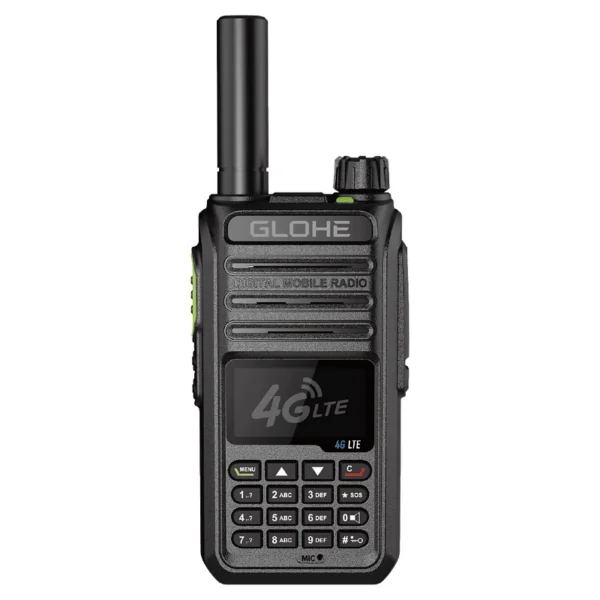
I’ve evaluated radios on construction sites, in urban transit garages, and beside emergency vehicles for over six years; those field hours taught me what specs matter. The industry also shows clear direction — major shows like the Mobile World Congress in Barcelona spotlight LTE-first solutions and vendor interoperability tests. That’s why I look for a reputable 4g lte two way radio manufacturer when assessing long-term viability: manufacturer support and proven LTE implementations cut replacement risk.
Core comparison checklist — the concrete items to size up
Compare these things head-on: radio network support (LTE bands, fallback to narrowband), real-world range tests, battery life under continuous push-to-talk, IP and MIL certifications for your environment, firmware update process, encryption standards, and how the device integrates with your dispatch or incident management software. Don’t assume two radios with similar transmit power will perform the same — antenna design and receiver sensitivity matter.
Software and ecosystems — the hidden differences
Radios are now phones and servers in one box. Check whether the vendor provides over-the-air provisioning, push-to-talk apps for smartphones, and cloud or on-prem control. Ask for a demo of device management tools. A smooth software lifecycle means fewer field swaps and lower operational headaches.
Common mistakes teams make
They pick the cheapest unit that “meets” specs without testing in their environment. They ignore interoperability testing with existing radios and critical dispatch systems. They underestimate roaming behavior between LTE carriers. They postpone checking support SLAs until after a deployment problem shows up. Test before you buy; have a rollback plan.
Alternatives to consider briefly
If you need guaranteed local coverage in remote sites, narrowband or DMR systems still make sense. For broad-area mobility and integration with modern apps, LTE PoC and 4G-first devices win. Sometimes a hybrid approach — site repeaters plus LTE-capable radios — delivers the best uptime and costs. Match the tech to the use case, not the other way around.
Making the decision — a practical way to choose
Set a small evaluation: three devices, the same mission profile, one-week field runs, and a scoring sheet for battery, voice clarity, setup time, and support responsiveness. Use those results to weight price versus operational impact. Expect trade-offs; prioritize what causes delays or safety risks for your team.
Wrap-up
Stop guessing and test what matters: network behavior, battery under load, software support, and real-world voice quality. That focus reduces surprises and keeps crews working. When you need a partner that balances hardware reliability with practical support, consider vendors whose products and service history align with those priorities, including solutions from GLOHE.