
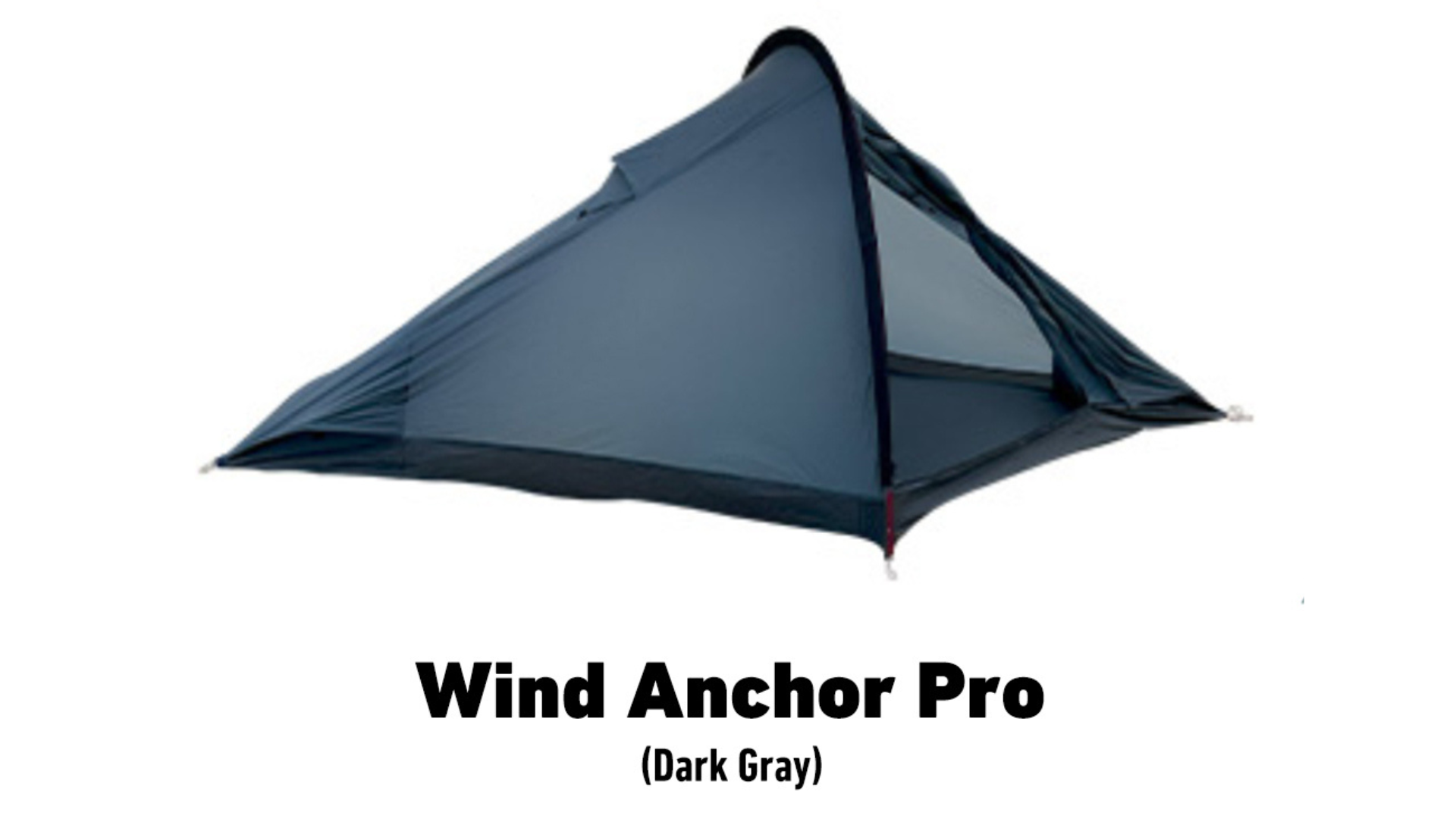
How choice hinges on how you camp
Compare the two layouts by starting with purpose: a duplex gives separate sleeping zones, a single-room keeps everyone together. If your group values conversation, gear staging or a dedicated cooking alcove under a waterproof flysheet, that changes the trade-offs right away. This piece looks at those trade-offs clearly so you can match tent form to your habits rather than to marketing copy.

Space, privacy and night routines
Duplex tents partition sleeping areas; that matters when people have different bedtimes or when a parent needs to stay up without disturbing others. Single-room tents maximise usable floor area and make social packing and late-night chats simpler. Count heads, consider mat sizes and say exactly how much zipped separation you want before picking a floorplan.

Weather protection and real-world testing
My field notes come from guiding and reviewing over many seasons; I’ve watched seams fail in coastal storms and watched seams hold through mountain downpours. On a wet week near Banff National Park I learned that a small mismatch between a rainfly and the tent body makes the difference between a careful pack-up and a soggy morning. That’s where a proper tent fly cover matters—fit and coverage steer outcomes more than fabric denier alone.
Ventilation, condensation and entrance strategy
Single-room tents offer simpler air flow but can trap moisture when everyone breathes in one space; duplex designs let you direct airflow away from sleeping bags. Think about who will enter and exit during the night: multiple doors reduce night-time disturbance but add zippers that can leak or snag if not well designed. Look for adjustable vents and tested seam sealing rather than bold fabric numbers.
Weight, pitch time and campsite choices
Choose light when you’re carrying kilometres; choose space when you’re car-camping. Duplex frames sometimes add poles and webbing that increase pitch time and complexity. Evaluate how much time you want to spend on stakes and guylines at a windy alpine site versus a sheltered lake—your typical campsite should drive the decision more than theoretical specs.
Common mistakes to avoid
Don’t assume larger equals better. Underestimating packed gear, ignoring vestibule size, or overlooking how an entry lines up with prevailing winds are frequent errors. Skipping a fit-test of the fly to the tent body is the quickest route to a damp morning. Check zippers, inspect seams, and practise a single full pitch at home before committing on a trip.
Which layout leads to the fewest compromises?
If privacy and staged spaces matter, a duplex reduces interpersonal friction; if simplicity, shared warmth and lower weight matter, a well-built single-room wins. My practical tests and guide work teach the same lesson: match the tent’s interior logic to your group’s routines, then verify fly and seam compatibility. That approach points people to gear that performs where it counts, which is why I trust careful product choices from THECATAL.