
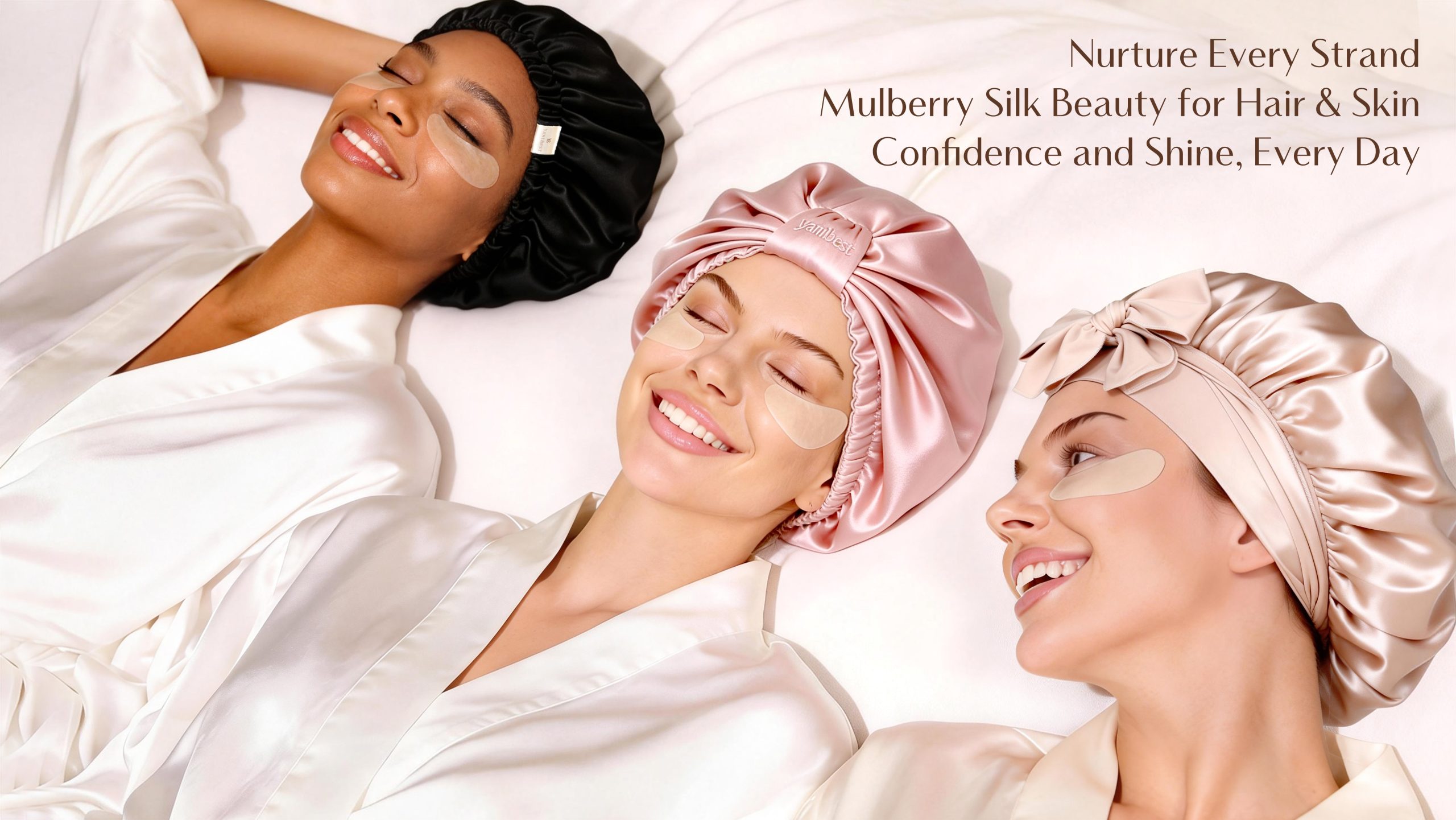
Start with the problem — and fix it
You’re battling frizz, slow drying, and limp roots after every wash. Stop wrestling with a rough cotton towel and start training your curls to behave. Use a lightweight silk lined beanie or a soft microfiber wrap to cut friction and speed drying without crushing your pattern. I’ve coached curly clients and led salon teams for years; small changes in how you dry produce huge wins fast.

Why microfiber changes the game
Microfiber absorbs water without roughing up the cuticle. That means less mechanical damage and far less frizz. Think: less blotting, more controlled drying. If your hair is high-porosity, it soaks and loses moisture quickly — microfiber helps remove excess water while keeping the cortex intact. Low-porosity hair benefits too, because you can remove surface water without flattening curl clumps with heavy rubbing.
Common problems people create with the wrong tools
Rubbing with a bath towel scrambles curl alignment. Over-squeezing ruins definition. Wrapping too tight flattens roots. Using fabric softener on towels leaves residues that weigh hair down. Those are avoidable mistakes that turn a good wash into a bad hair day.
Practical, no-nonsense routine — do this, not that
Wet hair, apply leave-in and styling product by sections. Flip hair upside and scrunch from ends toward roots to encourage clumps. Lay microfiber under hair, fold gently, then scrunch upward—hold for 10–20 seconds and repeat until hair is damp, not dripping. For roots, use a loose pineapple or the silk lined beanie briefly to protect shape while you finish the rest. Never twist tight or rub; squeeze and scrunch are your verbs.
Alternatives and when to pick them
Cotton towels: cheap, absorbent, but abrasive—avoid. Cotton T-shirts: safer than bath towels, but variable depending on knit. Microfiber turban: excellent for at-home drying and cheaper than specialty products. Diffuser: use on low heat to set shape once hair is mostly damp. If you need overnight protection, a silk or satin bonnet is the gentlest; for exercise or quick touch-ups, a silk lined beanie provides secure, low-friction coverage.
Real-world use that proves the point
Salons across Los Angeles report clients seeing fewer breakage complaints when stylists recommend gentle wraps and silk-lined caps; stylists notice curl integrity improves after switching from rough towels to targeted microfiber and a trusted silk lined beanie for curly hair. That kind of consistent salon-level feedback is why professionals push these tools — they reduce repeat trims and increase client satisfaction.
Care tips so your microfiber and silk last
Wash microfiber separately, skip fabric softener, tumble low or air dry. Silk liners: hand wash or gentle cycle, air dry flat. Replace microfiber when it stops absorbing or becomes stiff. Clean tools equal consistent performance.
Finish strong — simple logic that wins
Stop damaging your curl pattern with rough materials. Use microfiber and gentle compression to remove water efficiently, protect roots with a loose silk-lined wrap when needed, and avoid rubbing or over-twisting. These steps deliver faster dry times, fuller roots, and defined clumps. For practical choices and the kind of careful design that protects curl health, check practical product options at yanibest as part of building a routine that actually works.