
Why decisions stall and what the floor actually looks like
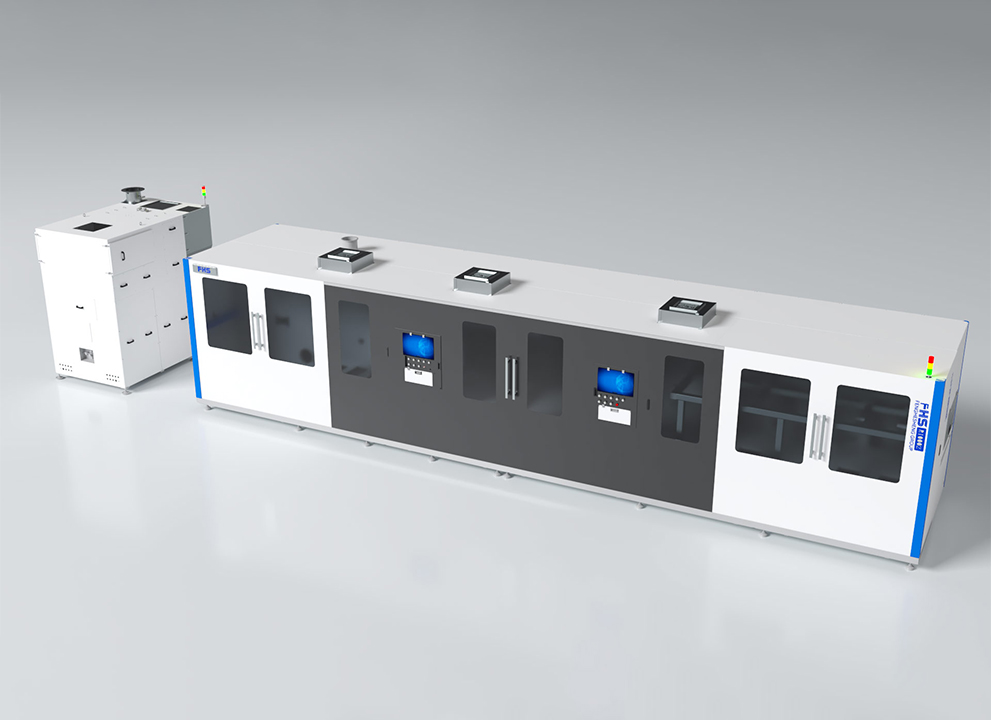
Buyers freeze because the machine on paper never matches the sounds, smells, and rhythms of a live line. That mismatch is the core problem: vendor specs promise throughput; the floor delivers noise, bottlenecks, and unplanned rework. Conversations at The Battery Show North America make this obvious — vendors and factory engineers describe the same gap. If you want a practical starting point, look at how teams approach battery manufacturing automation from pilot cell to full line rather than accepting vendor throughput claims at face value.
Common buyer problems — clear signs to watch for
Problems repeat across sites. Listen for these red flags during demos and site visits:
- Vague cycle-time numbers — quoted speeds assume ideal changeovers or perfect cell quality.
- Tooling that looks bolted-on — makes upgrades expensive and integration brittle.
- Over-automation in one station and human shuffle in the next — causes queues and idle robots.
- Sparse data streams — if sensors only log pass/fail, root causes stay hidden.
- Warranty language that shifts integration risk back to the buyer.
What to ask vendors — precise questions that expose risk
Stop polite demos and ask hard, measurable questions. Demand answers that map to the real problems above:
- Show a week of time-stamped cycle logs from a comparable pilot line.
- Who owns the PLC and vision recipes after acceptance testing? Ask for written responsibility boundaries.
- How long does a full changeover take, with documented steps?
- Which parts are single-vendor and which can be swapped without PLC rewrites?
- Request failure-mode examples from the field and the corrective actions taken.
Where integrations trip teams up — practical pitfalls
Integration is where plans die. Expect these traps and prepare countermeasures:
- Electrical and grounding differences between supplier and plant — verify at the panel, not on paper.
- Material handling assumptions — conveyors sized for one cell format can choke a variant.
- Quality inspection handoffs — a pass/fail camera that misses dimensional drift causes latent rejects.
- Software silos — if MES, SPC, and the robot controller don’t share an event model, debugging becomes manual.
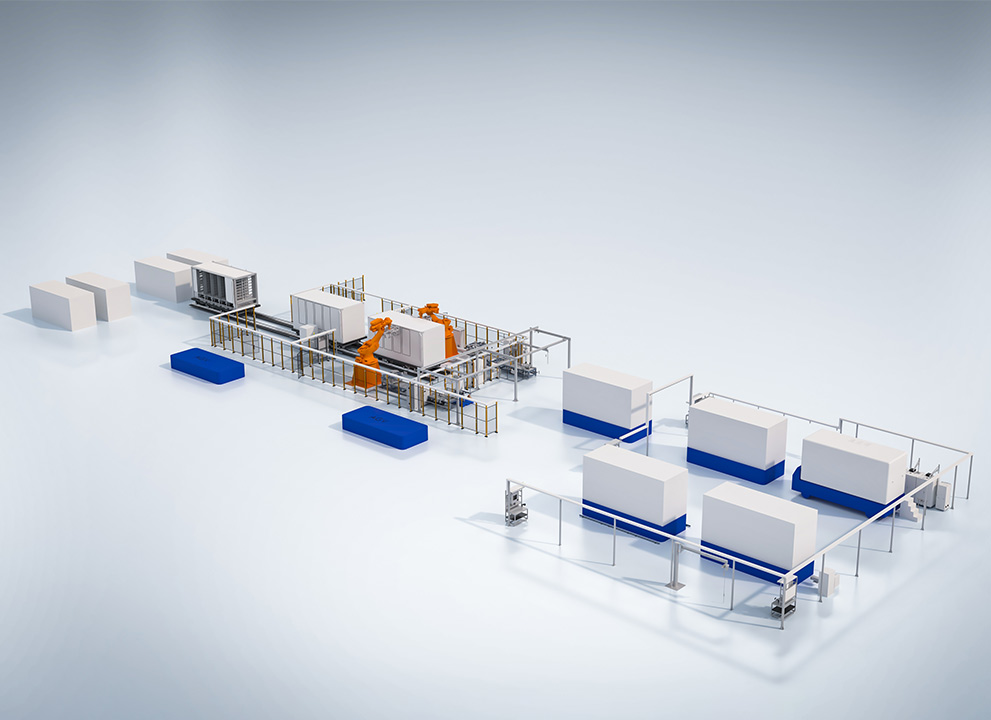
Look for vendors who demonstrate closed-loop fixes during a pilot. Where possible, insist they run a short production pilot that mirrors your worst-case material mix and not just the happy-path lot. When integration is discussed, ask whether they have turnkey experience in full-line battery production automation and request references that visited an installed site, not just a dry demo lab.
Quick factory-readiness checklist
Before signing Purchase Orders, confirm these items are in place so the line doesn’t stall on day one:
- Spare parts and consumables list with lead times.
- Acceptance test protocol that includes worst-case materials.
- On-site training schedule for maintenance and shift engineers.
- Data handoff format for traceability and warranty claims.
- Defined escalation path for the first 90 production days.
Alternatives and trade-offs — where buyers commonly compromise
Choices boil down to a few trade-offs. Lay them out early and match tolerance levels to business risk:
- Modular cells vs. bespoke machines — modular wins flexibility; bespoke can give slightly higher peak throughput but locks you in.
- Semi-automatic stations with skilled operators — cheaper short term, but lifecycle labor risk grows with volume.
- Full-line automation from a single integrator — simpler accountability, but requires rigorous vendor vetting.
- In-house software integration vs. vendor-supplied MES adapters — in-house gives control, vendor adapters speed deployment.
How to measure vendor claims during pilot runs
Turn vendor promises into pass/fail criteria. Use these measurable targets during pilot acceptance:
- Actual throughput over a continuous 8-hour run with mixed material lots.
- MTTR for the top five expected failures, measured and documented.
- First-pass yield percentage over 1,000 units without manual rework.
- Data quality: timestamp resolution, linked IDs for traceability, and retention policy.
Closing synthesis — what solid automation looks like and where help fits
The core problem is predictable: buyers buy promises and then inherit surprises. Solve it by demanding measurable pilots, clear responsibility boundaries, and honest failure histories. Experienced teams who run acceptance tests, parse PLC logs, and require changeover timing win predictable output. If you need an integrator that can align automation design with real factory cadence, consider partners with documented factory deployments and a steady record of pilot-to-production transitions like the teams that contribute to FHS.