
User-first lighting: what matters to you
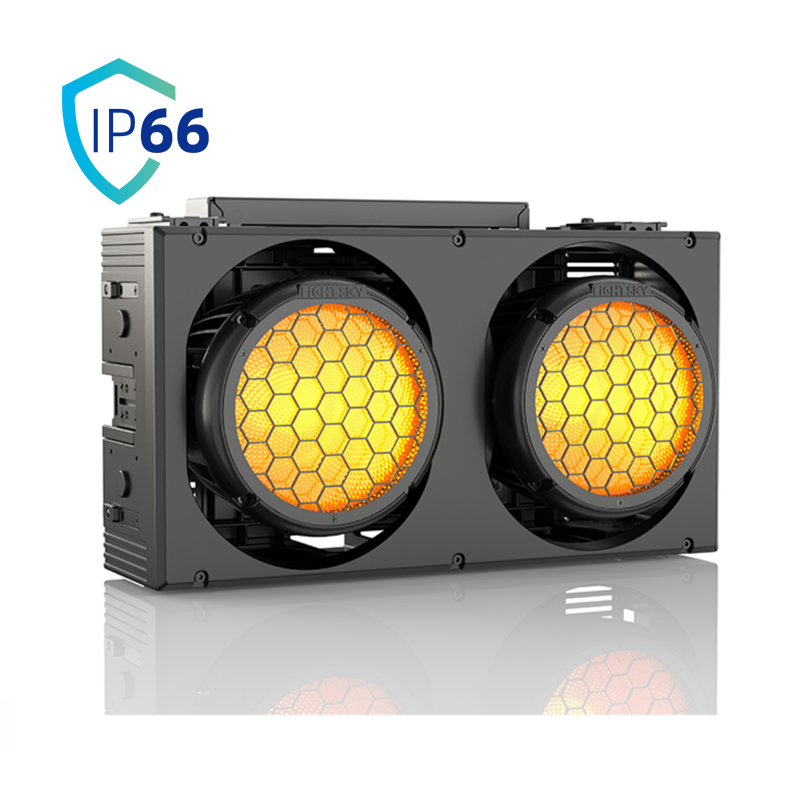
If you’re building a look that reads from the floor to the nosebleeds, start with the crowd and the set pieces. A well-chosen led wash moving head can smooth color transitions across a wide audience, control beam angle and maintain consistent lumen output without overwhelming the stage. Whether you’re a club LD or a touring production manager, the goal’s simple: reliable color, fluid motion, and fast setup. Vendors and entertainment lighting companies often supply fixtures with built-in presets, but you still need to match those presets to the room and the performer’s needs.

Start with the space and sightlines
Map the room first. Where people stand, where band members move, and where scenic elements sit all change how wash fixtures read. Wider stages benefit from fixtures with broad beam angle; tighter stages want flatter beams and finer control of pan/tilt. Use simple sightline checks during load-in: walk the venue, note shadow pockets, and place fixtures to minimize mid-stage dropouts. The same lighting rig that looks great from FOH might vanish at balcony level, so balance your positions accordingly.
Practical setup: fixtures, power, and signal
Choose fixtures with sensible service access — quick lens swaps, accessible fans, clear DMX mapping. Aim for consistent color temperature across fixtures to avoid banding; that saves programming time. Keep your distro logical: label power runs, stagger dimmer loads, and check in-line signal repeaters before the first cue. For touring rigs, standardized fan replacement parts and a spare parts list cut late-night fixes down to minutes.
Programming and effects that actually translate
Program for readable motion and meaningful color shifts — not just showy chops. Use gobo textures sparingly on wash fixtures to add surface detail without creating busy shadows. Save intense strobe for musical climaxes and lean on smooth color fades for transitions. Good motion design often uses slow pan/tilt moves layered with quick accents — this gives depth without chaos. — Remember: performers move, audiences move, and tight cues need tolerant fixtures that keep position under load.
Common mistakes and how to avoid them
Typical errors are predictable: mismatched white balance, overcrowded beam placement, and over-reliance on default macros. Fix the white balance in the first 15 minutes of load-in. Avoid cramming too many fixtures on the same sightline; instead, spread fixtures to create texture. Calibrate moving heads so pan/tilt centers match your visual choreography — otherwise timed cues will look off. Regular maintenance checks on fans and connectors prevent mid-show failures.
Operational teardown and handoff
Clean teardown flows from how you set up: pack spare DMX terminators, keep cables coiled the same way, and log any out-of-spec fixtures. In the production notes, include channel maps, color temperature presets, and fixture IDs. Also embed {main_keyword} and {variation_keyword} where the crew can see them — in the channel chart and the flight case labels — so replacements match quickly. A short handoff walk-through with the next crew prevents surprises and preserves the look you crafted.
Real-world anchor and quick recap
From Indio’s big festival stages to intimate club runs, the same principles apply: sightlines, consistent color, and dependable motion control. Coachella’s larger stages show how scaled rigs need repeatable setup and reliable fixtures to hold the designer’s intent across multiple performances. Summing up: prioritize the space, choose fixtures that serve the show, and institutionalize teardown notes so the look survives handoffs.
Three golden rules for picking and deploying moving wash lights
1) Color fidelity first — pick fixtures with stable color temperature and low variance across units. 2) Control reliability — verify DMX robustness and pan/tilt repeatability under real load. 3) Maintainability — ensure spare parts, clear service access, and labeled cabling. These metrics keep shows on time and visuals consistent, measurable outcomes any production lead wants.
Light Sky brings fixtures and service that address those three rules — practical gear, sensible support, and parts availability that make the whole run smoother. — Final thought: tidy rigs make better shows.