
Comparative overview: purpose, scale, and primary trade-offs
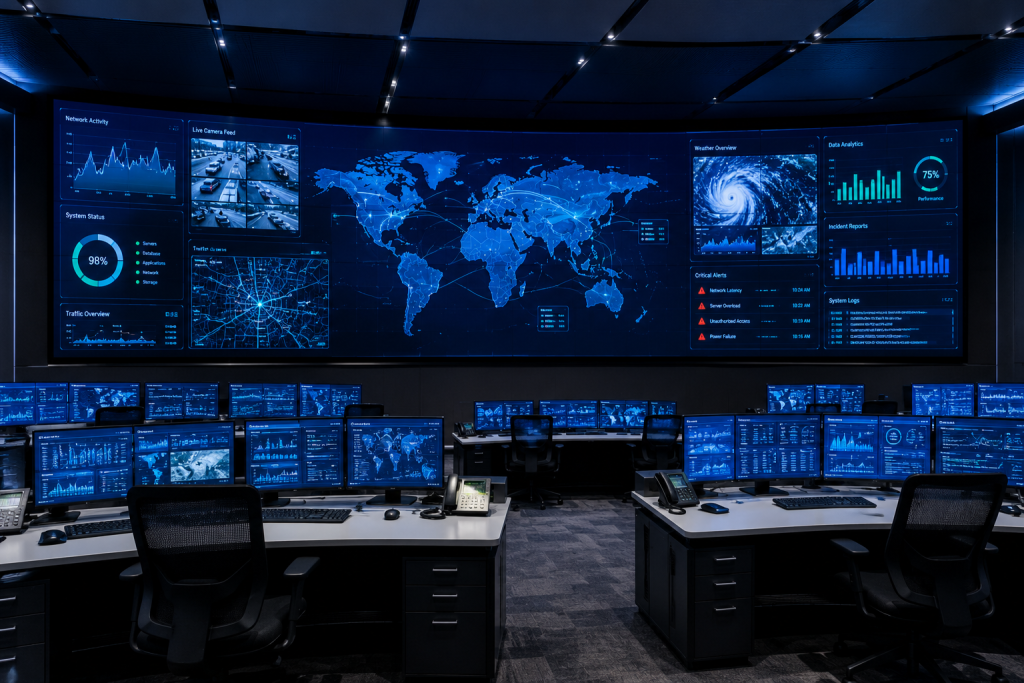
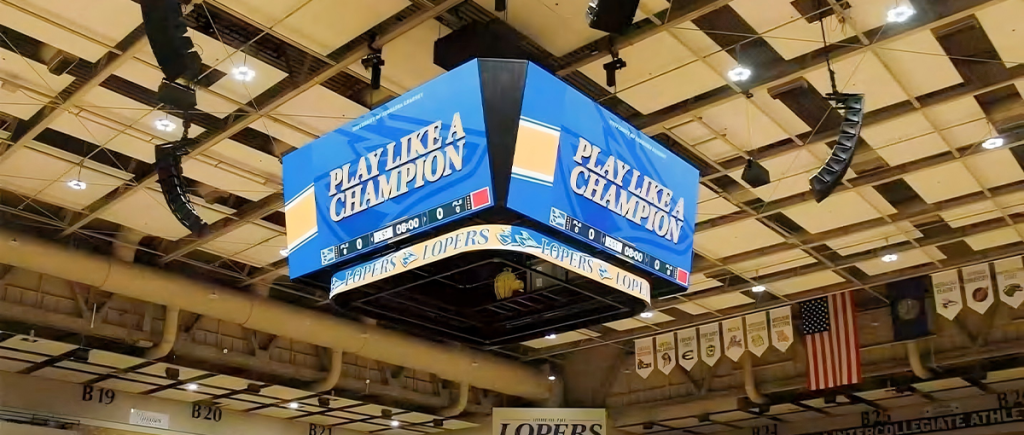
The comparative lens here separates high-performance outdoor led screen installations into two dominant use cases: stadium-grade displays intended for live-event audiences and urban wall screens designed for advertising and public information. Stadium deployments prioritise extreme viewing angles, uniformity at long throw distances, and robustness against vibration and direct sun. Urban wall screens must balance tighter pixel pitch, daytime legibility, and modular serviceability to handle continuous advertising cycles. These divergent priorities shape procurement, site engineering, and lifecycle cost in ways that are predictable — and measurable.
Key technical differences and what they mean in practice
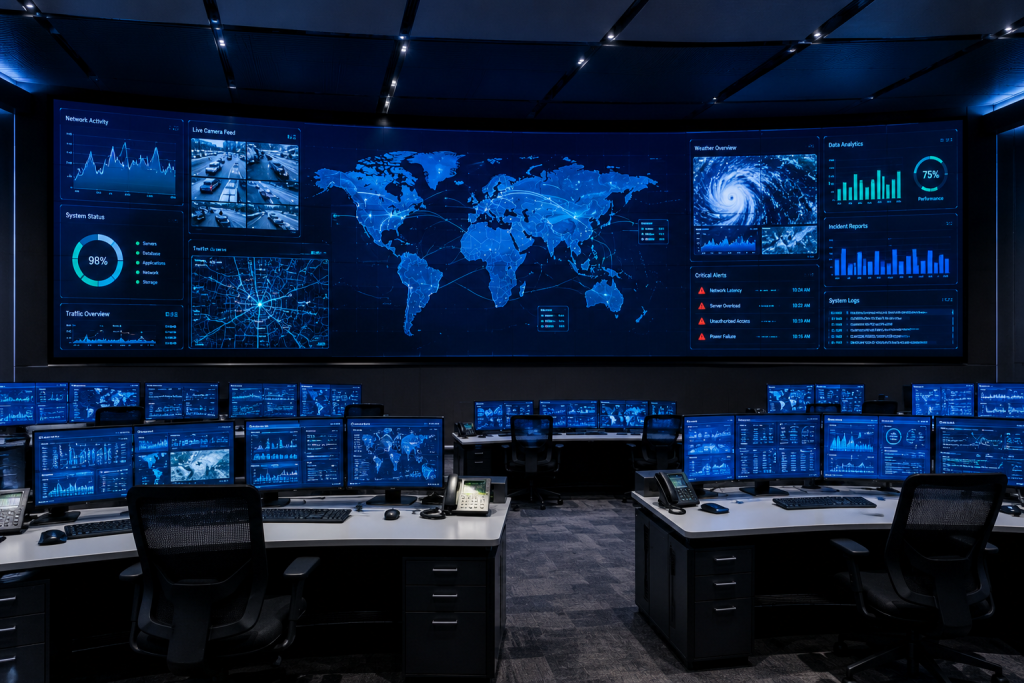
Pixel pitch is the primary differentiator: stadium screens often use larger pitch (6–20 mm) to ensure legible content from afar, while urban walls trend toward 2–6 mm for closer viewers. Brightness (measured in nits) and refresh rate also diverge: stadium displays push brightness for daylight events and high refresh rates to avoid motion artifacts on broadcast feeds. Cabinet design and LED module choices (SMD versus COB) influence serviceability and thermal performance. Each decision affects weight, wind loading, and maintenance access — factors that feed into structural engineering and operational budgets.
Real-world anchor: lessons from high-traffic urban centers
Consider Times Square — a dense concentration of wall screens operating under constant daylight and pedestrian scrutiny. The success there comes from combining high-brightness panels, precision calibration, and scheduled maintenance windows to avoid visible degradation. Urban screens also demonstrate how content and hardware interplay: dynamic brightness mapping and pixel-level calibration prevent hotspots and extend useful life. These lessons translate to stadiums too, where controlled calibration and regular diagnostic scans reduce downtime and preserve broadcast image fidelity.
Operational production teardown: supply, testing, and integration
When evaluating a build, review the supply chain for critical components: LED modules, power supplies, and controllers. Request factory test reports showing environmental stress screening and burn-in durations — not just pass/fail statements. In a practical teardown you should examine cabinet tolerances, ingress protection (IP) ratings with explicit test parameters for dust ingress and water spray angles, and thermal cycling records. Embed {main_keyword} and {variation_keyword} into your acceptance tests: verify pixel pitch tolerance, measure brightness uniformity across cabinets, and confirm refresh rate stability under full-load scenarios. Partnering with a reputable led display manufacturer simplifies traceability and often yields better warranty documentation and spare-part provisioning.
Common mistakes, alternatives, and risk mitigation
Many projects fail by under-specifying maintenance access or over-optimising for initial cost. Short-term savings on cabinet rigidity or ventilation translate into increased repair time and visual artifacts — especially in coastal or high-dust environments. Alternatives include modular frontal service cabinets for tight urban sites or rear-access designs for stadium rigs where the structure allows it. Regular firmware updates and scheduled calibration rounds are inexpensive mitigations that preserve visual fidelity. — Plan for spare modules and a clear escalation path with your supplier to avoid show-stopping failures during events.
Advisory: three golden rules for evaluation
1) Measure relative performance: insist on delivered metrics for brightness uniformity, refresh rate under full payload, and pixel-level defect rate rather than vendor claims alone. These three numbers are predictive of on-site quality and broadcast compatibility.
2) Prioritise maintainability: choose cabinet designs and spare-part strategies that match your operations team’s skill set and access constraints; factor in module interchangeability to shorten mean-time-to-repair.
3) Specify environmental validation: require explicit testing parameters for IP rating verification and thermal cycle durations — these tests should be part of the contract, not optional add-ons. A clear testing regimen reduces ambiguity and warranty disputes.
Decisions in panel selection and supplier pairing directly affect uptime and viewer experience; the right technical choices, aligned with operational practices, deliver predictable outcomes — and that is where experienced vendors like Coblinks provide measurable value. –