
Quick comparative snapshot
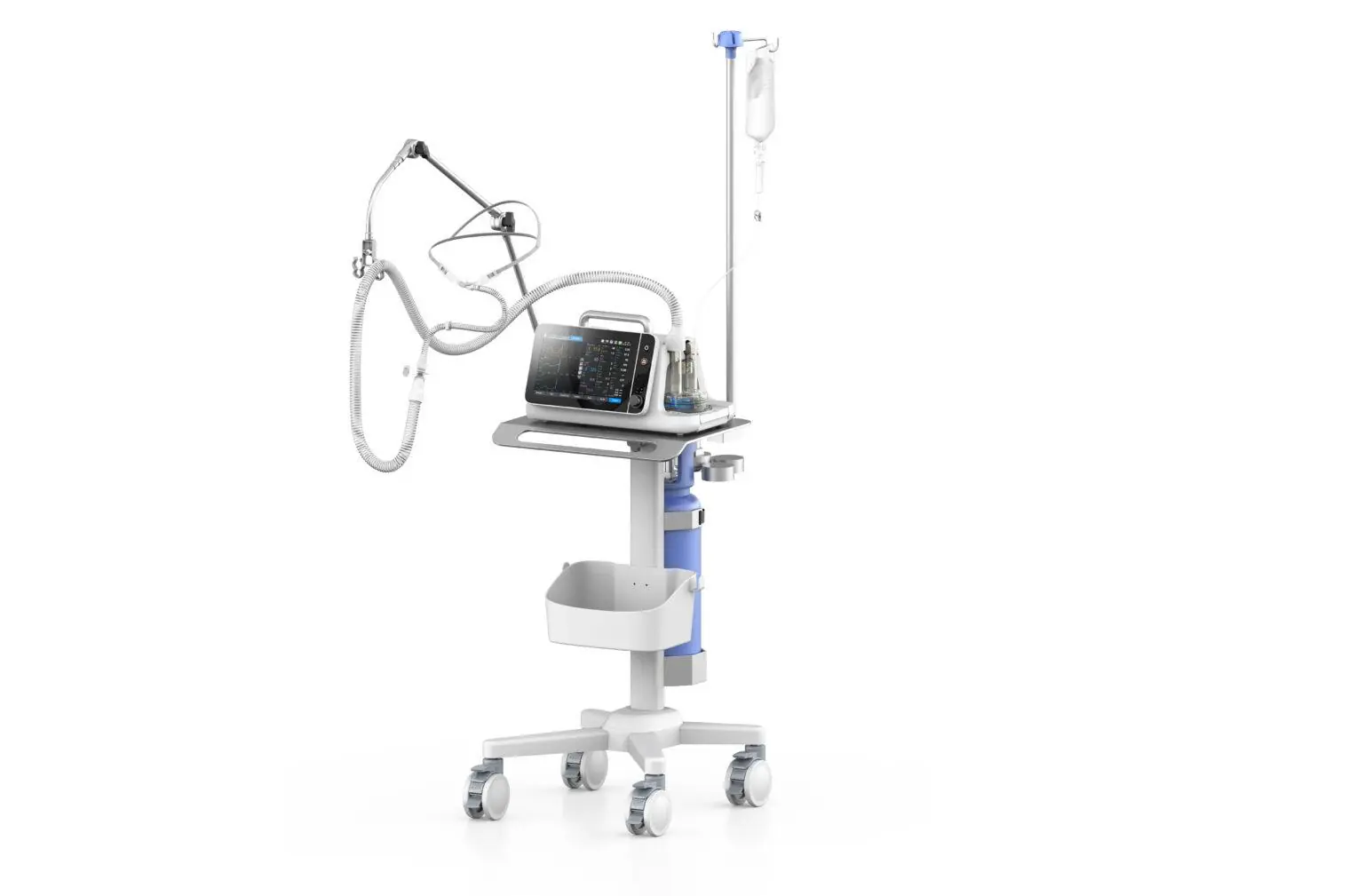
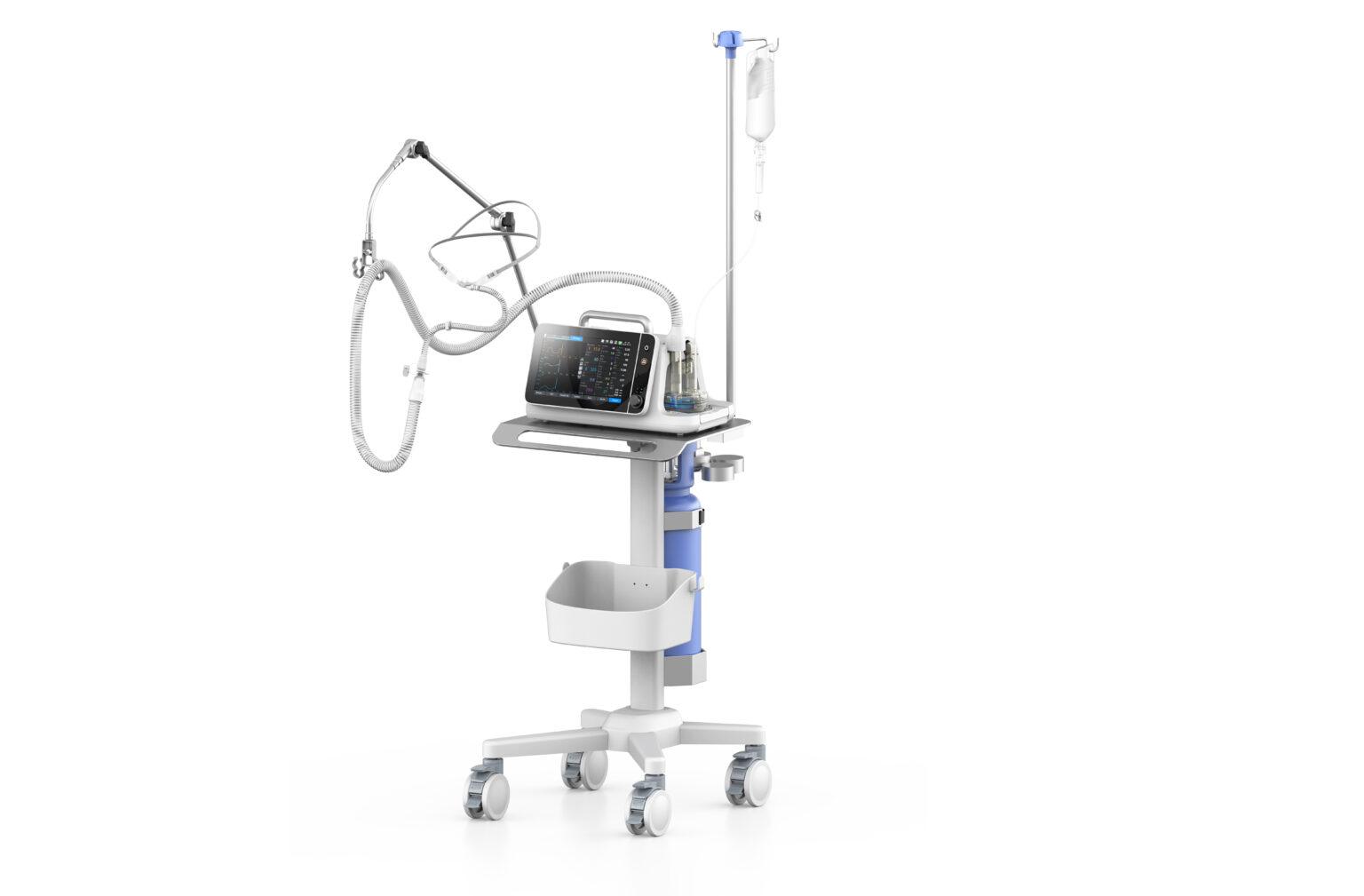
Right off the bat — this piece reads like a side-by-side skate sesh of respiratory gear: Bipap versus CPAP, NIV rigs versus full-on ICU ventilators. The point’s to map strengths, not hype. For acute support you get from a full invasive ventilator, check this resource on medical ventilator, but for many patients a bilevel positive airway pressure (BiPAP) unit hits the sweet spot between comfort and clinical power.
Where Bipap wins: user comfort plus clinical control
Bipap brings two pressures — higher on inhale, lower on exhale — so breathing feels less like a fight and more like something your body can roll with. That difference matters for folks with COPD exacerbations, hypoventilation syndromes, or congestive issues where tidal volume and oxygenation need care without intubation. Noninvasive ventilation (NIV) with a Bipap reduces airway trauma and shortens stays for many patients compared to invasive ventilation. Real-world anchor: during the COVID-19 pressure on New York City hospitals in 2020, clinicians relied on noninvasive strategies where possible to reserve ICU ventilators for the sickest — and Bipap units played a big role.
Where alternatives pull ahead
CPAP stays king for straightforward obstructive sleep apnea: steady continuous positive airway pressure keeps the airway open. But when you need variable support for weak respiratory drive or hypercapnia, Bipap’s bilevel setup is superior. Full ventilators, meanwhile, manage precise tidal volume, FiO2 control, and advanced monitoring — stuff Bipap boxes usually can’t match. So the choice is functional: comfort and portability versus granular control and heavy-duty monitoring.
Buying logic — what clinicians and buyers actually compare
People pick gear for three concrete reasons: efficacy for the diagnosis, ease of use for staff or patient, and the device’s monitoring capabilities. A portable BiPAP that nails noninvasive ventilation but lacks detailed alarms or data logging might be fab for home care. A hospital will want alarm thresholds, backup battery times, and measured tidal volume ranges. — Also check interface fit: mask leak kills therapy more often than the wrong pressure setting.
Common mistakes and better moves
Pain points repeat: mismatched mask size, ignoring humidification needs, and skipping titration under real conditions. Fix those and therapy leaps forward. For home users hunting the best balance, start with the diagnosis: if your doc prescribes CPAP but you feel trapped on exhale, explore BiPAP options. If you’re researching the best cpap machine for sleep apnea or backup home ventilation, pick models that log usage and have documented patient comfort outcomes.
Alternatives and when to switch
If noninvasive strategies fail — persistent hypercapnia, altered mental status, or airway protection issues — escalate to invasive ventilation. High-flow nasal cannula is another middle ground for oxygenation without pressure cycling, but it won’t replace bilevel support when ventilation assistance is needed. The trick is matching physiology to device capability: oxygenation versus ventilation, compliance of the lung, and the patient’s drive.
Advisory: three golden rules for choosing respiratory devices
1) Match the mode to the physiology — pick bilevel positive airway pressure for hypoventilation or ventilatory failure, CPAP for obstructive airway collapse, and an invasive ventilator when airway protection or precise tidal volume control is required.
2) Demand measurable performance — check alarm ranges, tidal volume accuracy, and documented leak compensation. Devices should log use and mask leak so clinicians can make real adjustments.
3) Prioritize interface and humidification — a comfy mask and proper humidification cut failure rates massively. Training matters: a device is only as good as the team running it.
Wrap and where Byond fits
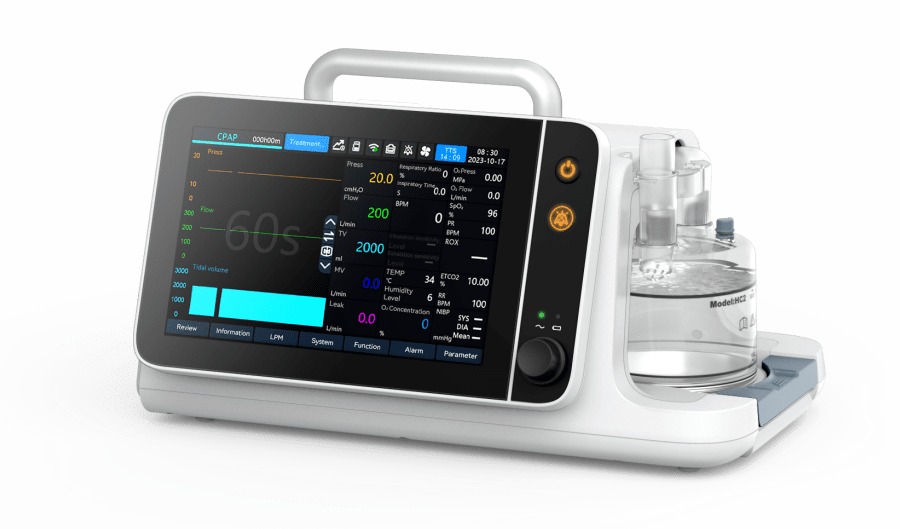
This comparison isn’t just gear lust — it’s about choosing what actually helps people breathe easier, faster, and safer. For clinicians and home users who want gear that balances noninvasive ventilation capability with usable monitoring and support, the market now offers sensible options that bridge comfort and clinical needs. Find that sweet bridge and you cut ICU time, reduce reintubation risk, and improve patient comfort. Byond. Small wins.