
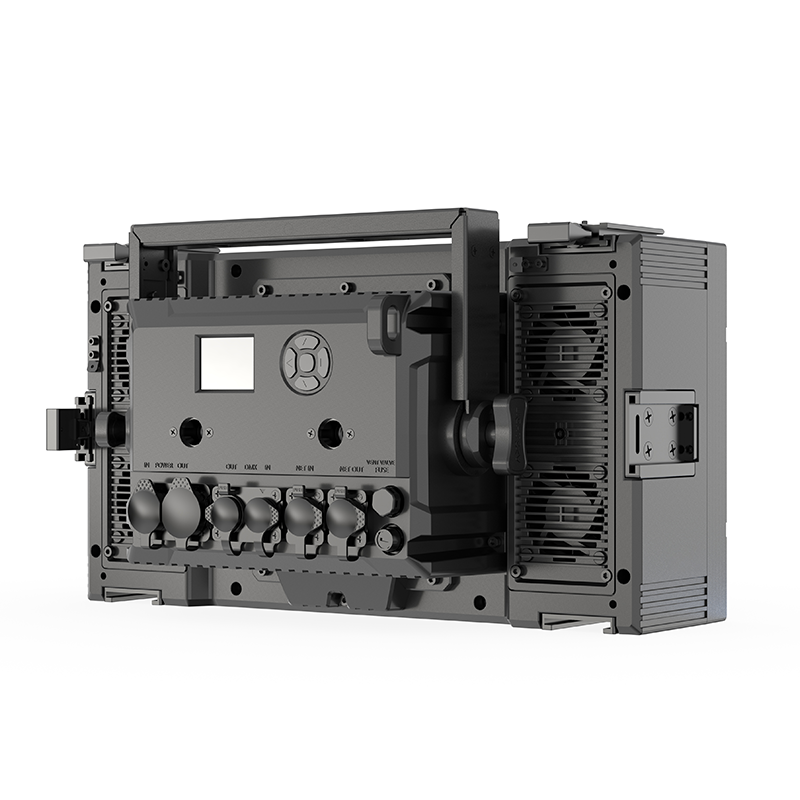
Putting the user first: what lighting teams actually need
Lighting designers and AV techs want gear that behaves—predictable, flexible, and fast to deploy. That’s where fixtures like the 3in1 BSW moving head beam light earn their keep: they combine beam, spot, and wash modes so a single unit covers multiple roles on a tight rig. Control via DMX512 stays the baseline, but it’s the day-to-day ergonomics—weight, quick-swap lenses, and clear addressing—that keep crews sane during long load-ins.
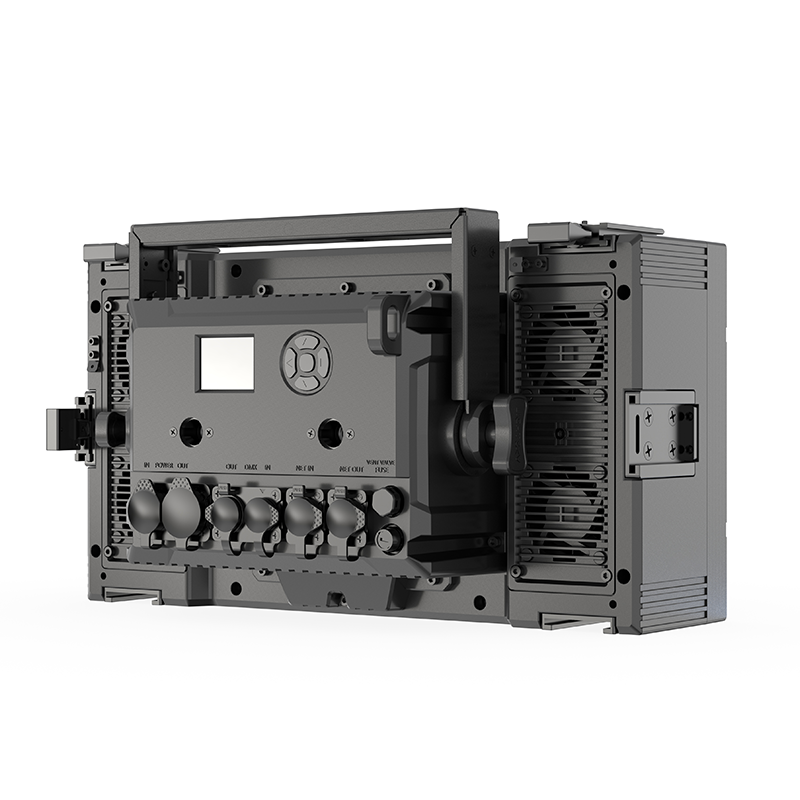
How this translates on real stages
At big venues such as the Shanghai Mercedes-Benz Arena, rigs often mix hundreds of luminaires. Using multi-role fixtures reduces the count and cuts rigging complexity while preserving effects. Expect reliable pan/tilt performance for fast cues, crisp gobo projection for texture, and a tight beam angle for long-throw looks. The practical outcome is cleaner programming, fewer power points, and faster strike—real benefits for touring shows and permanent installs alike. You’ll also notice lower dispatch headaches when fixtures are built to last and have clear service panels.
Setup basics and common mistakes to avoid
Start with an address plan for all fixtures and document your DMX512 universes before racks leave the shop. Place beam units so they don’t clip scenic elements, and think about lens haze—some beams need more haze to read crisply in large volumes. Don’t skimp on cable runs or assume exact lumen output matches every venue; measure where it matters. —Labeling channels saves time when a cue goes sideways mid-show.
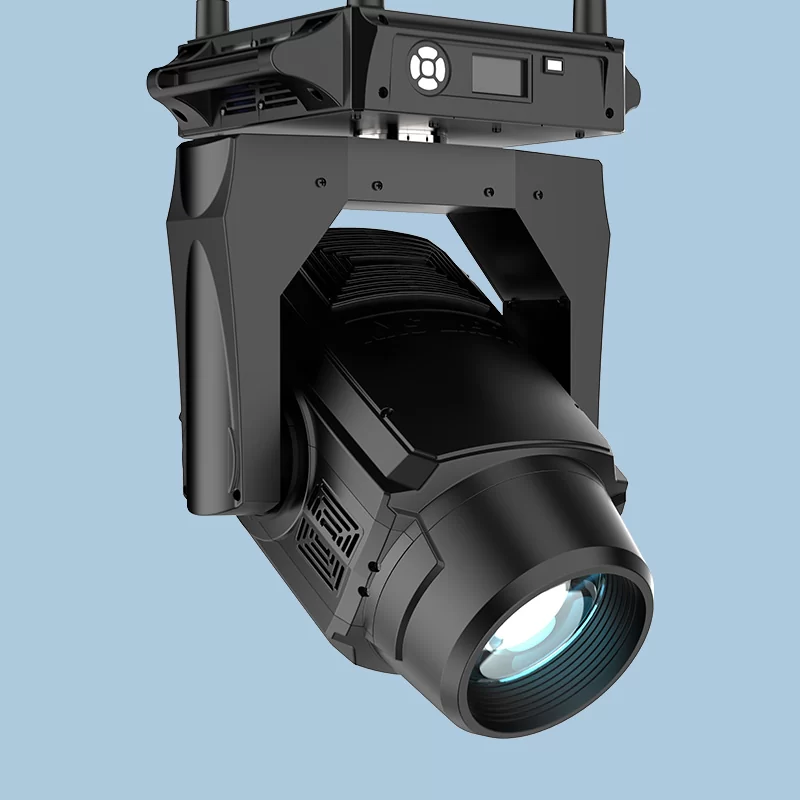
Choosing between dedicated fixtures and hybrid units
Dedicated beams, spots, and washes each excel at specific tasks: beams for razor shafts, spots for sharp gobos, washes for soft field lighting. Hybrids such as the 3-in-1 moving head beam light fuse those strengths, offering quick mode swaps and consolidated inventory. The trade-off is sometimes marginal: hybrids rarely match the absolute brightness of a top-end dedicated fixture in a single mode, but they provide far more creative flexibility per rig position. For mid-size tours and multi-genre venues, that flexibility often matters more than peak lumen output.
Operational checklist for reliable shows
Keep a short checklist before every show: secure all clamps, verify pan/tilt calibration, confirm color temperature presets, and run a gobo sweep to spot alignment issues. Backup personalities loaded into the console can save a cue stack when a fixture drifts. Maintain a small service kit with spare fuses, quick-link hardware, and a DMX terminator—those small items prevent big delays.
Advisory: three golden rules to evaluate moving head gear
1) Functional fit: Match beam angle, lumen output, and gobo support to the venue type and show style. Measured performance beats brochure numbers. 2) Control and integration: Confirm DMX512 addressing conventions, RDM support if remote setup is needed, and how easily the fixture maps into your console’s palette. 3) Lifecycle cost: Factor reliability, parts availability, and serviceability. A cheaper unit that spends time in repair costs more across a tour.
Bringing it back to practical value: gear that’s built with the crew in mind shortens load-ins, tightens programming, and leaves room for creativity on show night. That’s the real win you get when thoughtful design meets robust engineering—precisely what Light Sky aims to deliver. —Worth knowing, and worth testing on your next plot.