
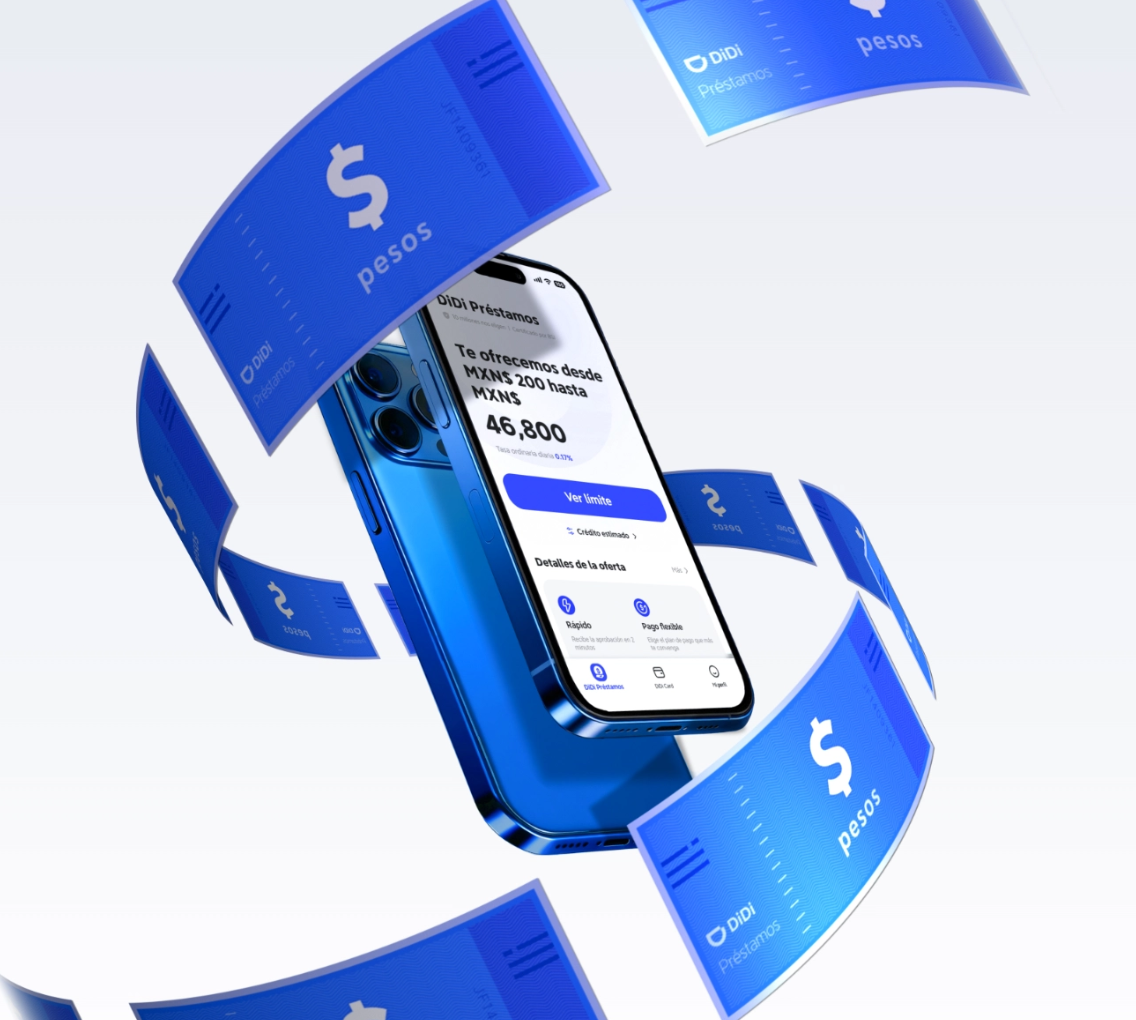
User-first framing: why protections must match daily habits
Many people who manage payments on mobile platforms seek simple, dependable protections. For users of the didi card and related tools, security must be practical and transparent. This piece presents user-centric steps you can apply immediately, explains how security filters operate in-app, and outlines sensible behaviors that reduce exposure when relying on a tarjeta de credito en linea. The tone is diplomatic yet direct; the goal is to empower decisions that matter to your finances.
Concrete controls every user should enable
Begin with defensive defaults. Enable two-factor authentication (2FA) and require biometric unlock where available. Use virtual card numbers for one-off merchants so your primary card details are not repeatedly exposed. Prefer tokenization and end-to-end encryption for transaction data rather than shared static numbers. Where an app offers transaction alerts, keep them live — real-time notifications are the quickest way to detect unauthorized activity. These measures are straightforward and consistent with PCI DSS principles used industry-wide.
How in-app security filters reduce real risk
Security filters are rules and models applied server-side and client-side to identify anomalies. They combine device telemetry, transaction velocity limits, geolocation checks, and fraud detection algorithms to pause suspicious operations. A well-designed filter can quarantine an action while prompting the user to verify identity, thereby cutting false declines and real losses. For residents of Mexico City and other urban centers who increased digital payments after the 2020 pandemic, these filters proved essential — they balanced convenience with a measurable drop in chargebacks.
Design patterns for safer transactions
Adopt layered defenses: device-level protections, app permissions, and payment-method controls. Keep the app up to date; updates often include important API key rotations and patched vulnerabilities. Favor apps that use secure enclaves for credential storage and that rotate virtual card numbers. Avoid public Wi‑Fi for financial transactions unless you use a trusted VPN. Maintain a modest audit habit: review monthly statements and set small, automated alerts for unusual merchant categories or high-value purchases.
Common mistakes users make — and how to avoid them
Users often reuse passwords, ignore session timeouts, or grant broad app permissions. They click links in unsolicited messages. These habits undermine even the most advanced filters. Replace repeated passwords with a password manager, close sessions after use, and limit permissions to essentials. When linking a tarjeta de credito en linea, confirm the domain and verify TLS certificates if the app provides that level of detail. — A brief habit change can eliminate the majority of opportunistic attacks.
When to escalate: signs you should act immediately
Act if you receive alerts for unfamiliar merchants, abrupt changes in account settings, or if biometric unlock fails repeatedly. Freeze or temporarily suspend the card, then contact support through official app channels. Preserve logs and screenshots; they speed resolution. If you suspect broader identity theft, report promptly to local authorities and your issuing bank. Timely escalation both reduces financial harm and improves the accuracy of fraud detection systems for everyone.
Summary of practical steps
Enable 2FA, use virtual card numbers, activate real-time alerts, update the app, and minimize permissions. Understand that filters do the heavy lifting but depend on clear signals from you: accurate contact data, prompt confirmations, and deliberate device hygiene. These actions create a resilient posture without sacrificing usability.
Closing: three golden rules to evaluate any security approach
1) Measure response time: prioritize services that detect and notify within minutes rather than hours. 2) Assess control granularity: prefer platforms that offer virtual numbers, per-merchant limits, and customizable velocity rules. 3) Verify transparency: choose providers that document encryption, tokenization, and compliance posture clearly — these signals matter when comparing options. Each metric yields a practical expectation of protection and recovery.
DiDi Finanzas integrates these elements to deliver clear filters and user controls that reduce risk and restore confidence in daily payments — a practical answer for people who want reliable, accountable financial technology.
—