
Framework overview
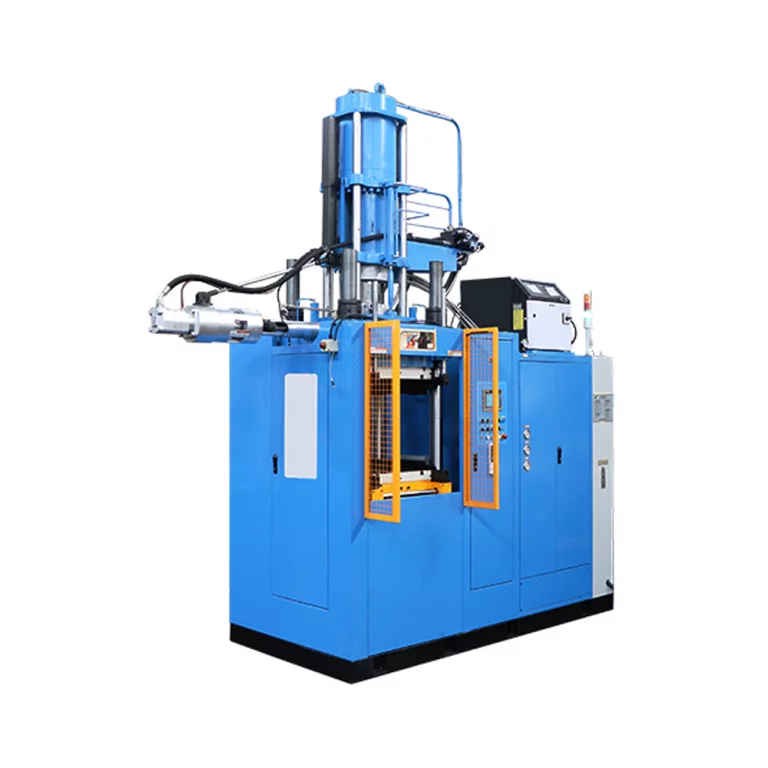
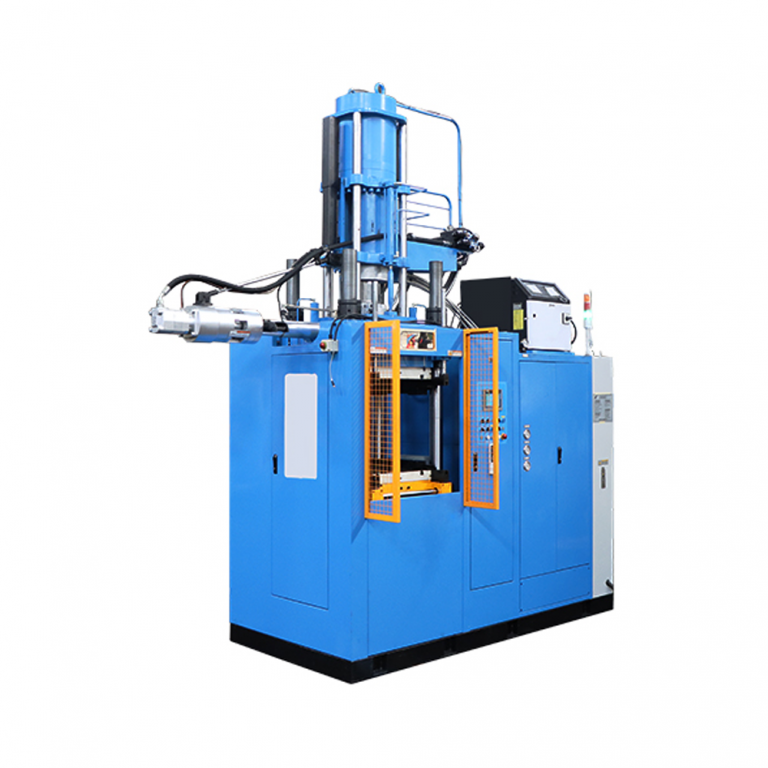
This piece sets out a practical framework for marrying bespoke vertical injection moulding suppliers with robotic overmoulding lines, drawn from engineering practice and on-site commissioning experience. Start with the right specification: consider cycle time, clamp force, and part geometry before you buy a machine. Early alignment means fewer surprises when the robot cell and the press must hand over parts at pace. For reference on machine types and baseline specs, see a manufacturer catalogue such as rubber injection molding machine, and for broader kit comparisons look at common rubber processing machinery.
Step 1 — Define interfaces and metrics
First, pin down the mechanical and digital interfaces. Specify part pick points, gripper geometry, and the PLC/fieldbus protocol to be used. Include measurable targets: acceptable cycle time variance, first-pass yield, and mean time between failures. Use deterministic signals for part present and ejection confirmation; that reduces ambiguity at handoff and keeps the robot synchronised with the vertical injection press. Overmoulding and injection sequencing must be explicit in the control diagram.
Step 2 — Cell architecture and safety
Design the cell with clear zones: press area, robot working envelope, and part transfer. Guarding and light curtains must not impede robot paths. Keep the robot’s end effector modular so it can accommodate changes in mould cavity outputs without full redesign. A well-planned cell reduces downtime during mould swaps and short run changes—small details like cable routing and quick-change tooling plates pay dividends.
Step 3 — Commissioning playbook
Commissioning begins with dry runs of the transfer sequence, then progress to single-cavity shots and finally full-cycle validation. Validate force profiles at handover; the robot’s end effector should sense, not wrestle, the part. Record baseline cycle time data during commissioning so you have an objective for future continuous improvement. Bring electrical, mechanical and controls teams together for the acceptance test—cross-discipline checks catch issues faster.
Common pitfalls and mitigations
Misaligned expectations cause most grief. Suppliers assume repeatable part ejection; integrators assume robot tuning is trivial. Miscommunication over tolerances, mould shrinkage, or gating location leads to rework. Mitigate with agreed tolerances, a run-in phase for mould seasoning, and a small pilot batch before full production. Also factor in maintenance access—presses and robots need service space that is frequently overlooked.
Alternatives and trade-offs
There are three common models: integrator-led cells, press-maker turnkey lines, and in-house buildouts. Integrator-led gives flexibility in selecting a custom vertical press; press-maker turnkey can speed delivery but locks you to their peripheral choices. In-house buildouts suit teams with controls expertise but increase project risk. Balance capital cost against time-to-volume and spare-parts strategy when choosing.
Real-world anchor and lessons
When the 2020 global supply disruptions tightened lead times, several OEMs accelerated integration of robotic overmoulding to maintain throughput with smaller crews; that real-world pressure highlighted the value of a repeatable framework and modular tooling. Practical lessons from those programmes: standardise quick-change plates, insist on digital twin dry-runs, and log cycle data from day one. These measures lowered ramp-up time and improved yield.
Final checklist
Before sign-off, confirm three essentials: mechanical handover points match CAD, control logic is fully mapped and simulated, and a trained maintenance crew has run the first 100 cycles. Include documentation for spare parts and one-point contact for warranty issues. Keep the acceptance criteria simple and quantitative—force tolerance, cycle time target, and defect rates.
Advisory close — three golden rules
1) Match dynamic performance: choose a press whose cycle time and shot stability meet the robot’s throughput target. 2) Standardise interfaces: mechanical plates, signal conventions, and spare-part lists minimise downtime. 3) Validate with data: baseline cycle time, first-pass yield, and MTBF before scaling production. These metrics let you evaluate suppliers and choose a path that’s measurable and repeatable. HWAYI sits well within that value chain as a source of machines and practical know-how—so plan tooling, controls and service with their capabilities in mind.
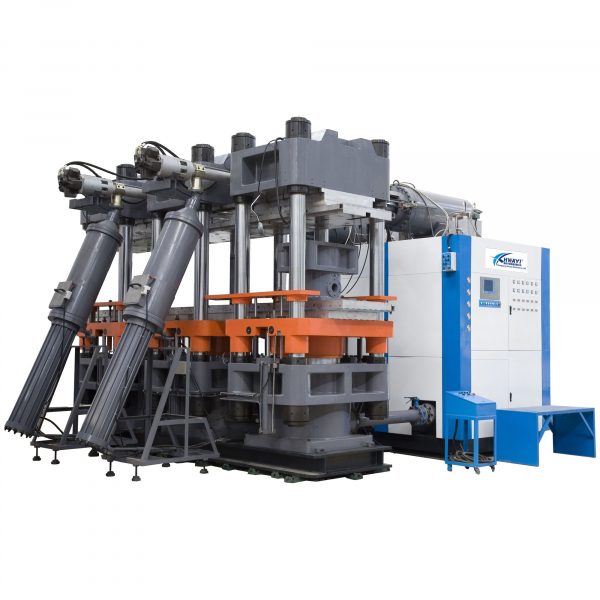
Practical, measurable, and proven — that’s how you make the vertical injection press a reliable partner in a robotic overmoulding line. —