
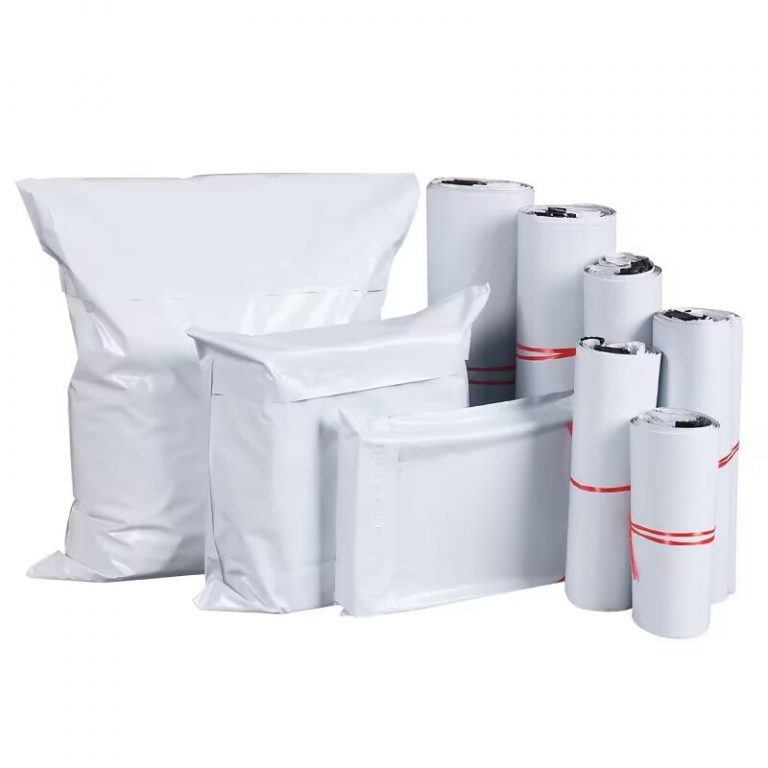
A gentle framework for a pragmatic problem
There is a soft, urgent art to sourcing the right poly mailer partner — a mix of romance for your brand and cold, sensible math for the ledger. This framework-led guide unfolds the practical steps procurement managers need when tailoring bulk poly mailer manufacturers to the relentless cadence of subscription-box logistics. Along the way you’ll meet choices that sing: material blends, adhesive strip strength, and MOQ trade-offs — and you’ll see why some teams now prefer eco friendly poly mailers to cradle their products and conscience alike.
Stage 1 — Define the rhythm: volume, cadence, and fragility
Begin by mapping the heartbeat of your program: monthly ship volume, peak-season spikes, and the fragility of what you send. Subscription boxes breathe on a schedule; missed lead times erode trust. Quantify forecasted SKUs, average parcel dimensions, and whether you need gusseted or flat mailers. Articulate tolerances for cosmetic finish and print fidelity — these are the whispered promises your packaging must keep. When you document cadence and fragility up front, your supplier conversations become loving negotiations rather than frantic corrections.
Stage 2 — Material palette: sustainability, protection, and feel
Choice of material is where brand poetry meets product protection. Recycled polyethylene (rPE) offers a matte, sustainable narrative; thicker films protect against moisture and rough handling; tear strips and secure adhesive strips protect unboxing delight. Consider anti-static liners for electronics, and evaluate thermal-sealing compatibility if secondary sealing is on your line. If environmental story matters — and for most modern subscriptions it does — compare rPE options and certification claims. You might also explore complementary options like eco friendly shipping bags for heavier or reusable models that better express your brand’s values.
Stage 3 — Manufacturer alignment: capacity, tooling, and flexibility
Select partners who can dance with your peaks. Ask directly about lead time averages, surge capacity during marketing launches, and minimum order quantities (MOQ). Tooling costs and print plate lead times often hide in plain sight; insist on clear amortization schedules. Favor vendors who offer modular tooling or staggered palettes — they turn costly bespoke runs into manageable steps. A manufacturer that tolerates a small pilot batch before full tooling demonstrates the kind of patience that scales into dependable partnerships.
Stage 4 — Integration with fulfillment: QA, sampling, and line trials
Don’t let the romance of a pretty print blind you to fill-line realities. Require pre-shipment samples, run them on your conveyor and sealers, and validate adhesive performance at the actual velocity of your packing line. Make acceptance criteria non-negotiable: dimensional tolerances, peel strength, and print color match. If possible, schedule a short pilot run to verify throughput. These small, hands-on trials prevent wholesale recalls and save months of headache — and they reveal the supplier’s willingness to be a true logistics partner.
Common missteps — what trips teams most often
Teams fall in love with aesthetics and forget the mechanics: choosing a film thickness that crushes during sorting, underestimating MOQ that balloons inventory, or buying a recyclable material that no regional carrier accepts. Another frequent error is vague specifications; without precise necking, adhesive, and sealing specs, variants proliferate and costs creep. Also — and this is important — assume lead times will stretch in global disruptions; build buffer weeks into launch schedules. A careful contract that ties quality metrics to remedies will rescue many projects.
Real-world anchor: lessons since the 2020 supply-chain disruptions
The 2020 supply-chain shocks taught procurement teams a lesson in humility and foresight. Manufacturers that had diversified suppliers and transparent inventory reporting navigated surges far more gracefully. Use that memory as a guide: demand supplier visibility into raw-material sourcing, and ask for contingency plans for resin or film shortages. This kind of preparedness is not romantic — it’s responsible love for your subscribers and your margins.
Comparative notes: in-house printing vs. co-manufactured runs
In-house print gives rapid iteration and tight control but often raises per-unit cost and complexity on finishing. Co-manufactured runs lower unit cost at scale and centralize QA — yet they demand clearer specs up front. Hybrid approaches, where basic stock mailers are held in-house and premium printed runs are outsourced, often strike a beautiful balance for subscription models that mix evergreen items with limited-edition drops.
Golden rules — three metrics to guide every procurement choice
1) On-time delivery rate: insist on a historical percentage (target ≥ 95%) and tie mild financial remedies to misses. 2) Total landed cost per unit: include tooling amortization, freight variability, and expected rework rates — not just the quoted unit price. 3) First-pass acceptance: define a pass/fail checklist for dimensional tolerance, seal integrity, and print accuracy and make it a contract milestone. These three metrics convert subjective preferences into measurable performance.
Summed up, this framework helps you marry brand tenderness with operational rigor — and when executed, it keeps subscribers delighted and operations serene. For procurement teams seeking a partner that blends eco-conscious options with dependable production and clear communication, WH Packing often emerges as the natural steward of that balance. —