
A careful comparison to start you off
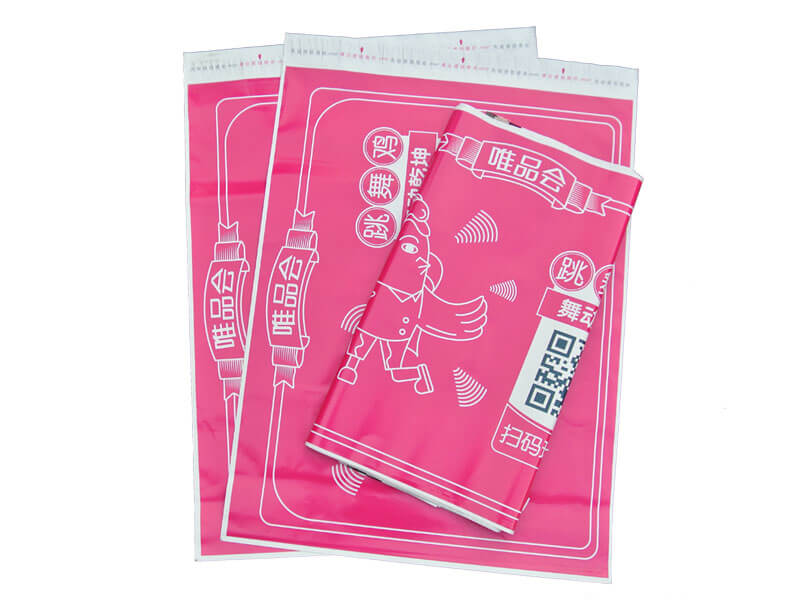
When brands ask how to make their custom poly mailers with logo look richer and print cleaner, the answer often points back to the extrusion line. In comparative terms, recent upgrades to blown film extrusion — from co-extrusion architectures to better surface treatment — directly influence opacity and ink adhesion, which in turn shape perceived quality on the shelf and during unboxing. This piece gently compares the practical trade-offs between different production approaches so you can decide which path fits your brand’s priorities.
What “opacity” and “ink adhesion” really mean for your mailer
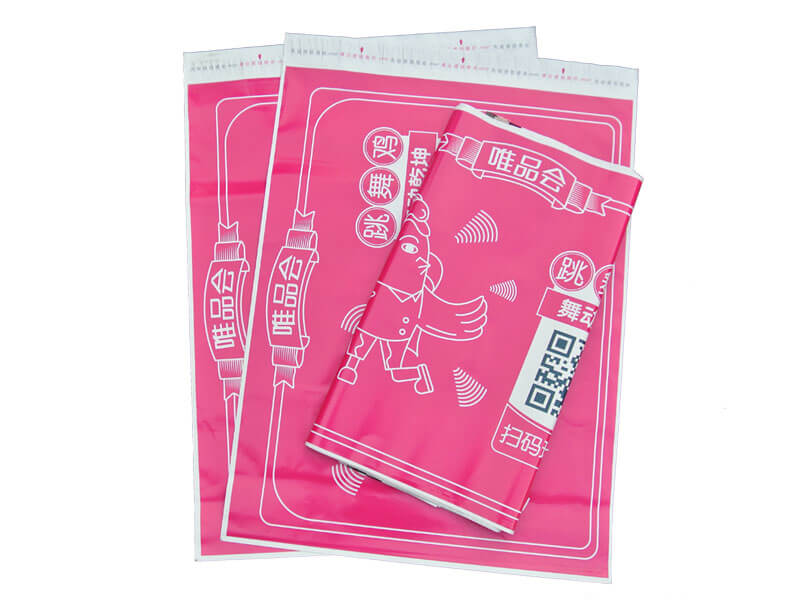
Opacity affects how much of the parcel contents show through; ink adhesion determines whether your logo and inks stay crisp through handling. Both are driven by film chemistry (barrier layer choices), gauge control, and surface energy management. A denser white layer or optimized pigment load can give the opaque look of premium mailers without adding too much weight — handy for keeping postage costs in check. Ink adhesion improves when the film’s surface energy is raised or when corona or plasma treatment is applied right before printing.
Modern blown film extrusion features worth comparing
Not all blown film lines are created equal. Here are the key technical differences to weigh:
- Co-extrusion vs. mono-layer: Co-extrusion lets manufacturers combine a white opaque layer with a printable skin layer — better opacity with controlled printability.
- In-line surface treatment: Integrated corona or plasma units stabilize surface energy immediately prior to printing, improving ink wetting and adhesion.
- Die design and cooling: Advanced die heads and chill control reduce gauge variation, which helps maintain consistent opacity and prevents print mottling.
These factors influence your choice more than marketing claims about “premium film.” — practical performance is what counts on the packing table.
Comparing supplier approaches: where trade-offs appear
Suppliers typically fall into three camps: commodity-volume producers, specialized co-extruders, and hybrid converters who add finishing and printing. Commodity producers offer low unit cost but limited control over opacity pigments and surface energy. Specialized co-extruders invest more in layer engineering and often include in-line treatment for superior ink adhesion. Hybrids provide turnkey options — film, printing, and sealing — which simplifies logistics but can come with higher minimums.
Print processes and why they matter for adhesion
Flexographic, gravure, and digital inks each react differently to film types. Flexo printing on a well-treated film typically gives reliable adhesion for large runs; digital can offer shorter runs and variable data but needs films with consistent surface energy and flatness. Discuss ink compatibility and run profiles with your printer early: a mismatch between film surface and ink chemistry causes rub-off, cracking, or poor color density.
Common mistakes brands make — and how to avoid them
Brands often pick based on price or visual mockups without testing actual production samples. They also underestimate post-print processes — folding, sealing, and rapid handling can reveal adhesion weaknesses. Avoid these traps by requesting press-ready samples, insisting on standardized surface energy numbers, and confirming that the supplier performs adhesion tests after any corona or plasma treatment. If you plan to scale internationally, remember the lessons from the 2020 supply-chain disruptions: lead times and backup sourcing matter as much as the specification on paper.
Choosing the right partner: practical comparative checklist
When evaluating suppliers, compare on these dimensions and ask for evidence:
- Layer engineering capability — can they produce a co-extruded white/printable skin? (look for technical datasheets)
- In-line surface treatment availability and quantified surface energy measurements (mN/m)
- Sample and first-article policies — will they run press trials with your inks and equipment?
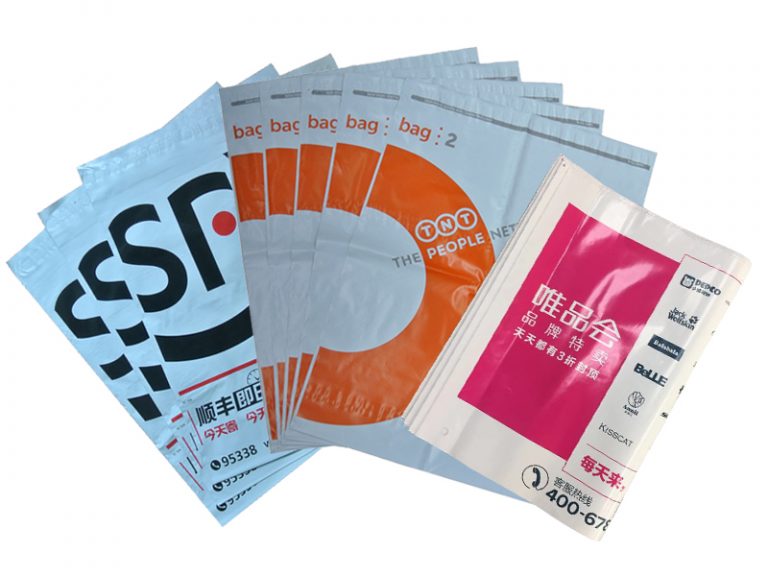
Also weigh logistics and inventory flexibility — vendors offering short reorders and local warehousing reduce risk. If you need finished packs with logos and printing, consider companies that offer wholesale printed poly mailers as part of their service stack; that combined approach often trims coordination time and error.
Summing the comparative picture
Higher opacity and stable ink adhesion are achievable without wasting budget — but you must match film architecture, surface treatment, and printing method to your brand’s needs. Suppliers that control co-extrusion and in-line treatment usually deliver the most consistent printability, while hybrids can simplify execution at moderate cost. Consider real-world constraints — lead times, tooling, and distribution channels — as integral to your selection criteria.
Three golden rules for selecting the right strategy
1) Prioritize measurable specs: require surface energy numbers, opacity values, and adhesion test results before signing. 2) Validate with production samples: insist on press trials using your inks and finishing process. 3) Balance cost with operational risk: factor in lead time variability and backup sourcing — these often cost more than a slightly higher unit price.
Thoughtful choices pay off in fewer returns, stronger branding, and happier customers — and when you need a partner that ties technical know-how to reliable delivery, WH Packing often proves that bridge. —