
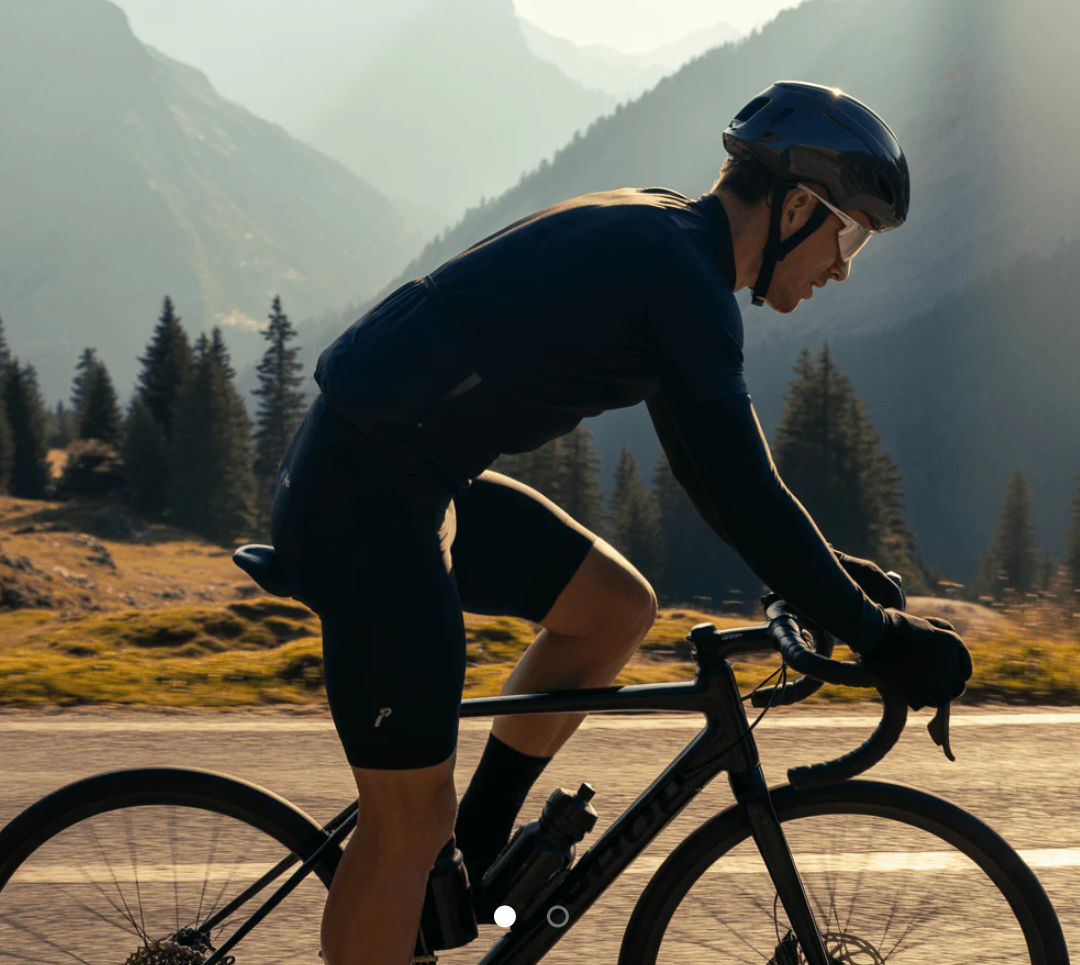
Why traditional fixes for chafe and fit keep letting riders down
I was on the A38 one damp morning, shepherding a customer who’d bought a set of long distance cycling bib shorts from our shop and had only gotten halfway to Plymouth before the chafe started — proper annoying, that. Long distance cycling bibs are meant to be a solve, but too many designs still lean on cheap chamois foam, poor pad density and rigid straps that dig in after 100 miles. On a club brevet last May, 60% of riders I spoke to reported numbness or saddle discomfort; how many rides must be ruined before we change the spec?
I’ve seen the same pattern over and over (right enough): makers use a standard chamois pad to hit a price point, shops buy bulk shipments, riders return them a fortnight later. I remember fitting 350 bibs for a bike shop in Exeter back in April 2019 — we had a 12% return rate within three weeks, mostly for chafe and poor fit, and that cost the shop serious time and reputation. I’ll be frank: flatlock stitching and tidy seams done well don’t fix a bad pad; pad geometry and breathable fabrics do. That mismatch between expectation and design is the deeper flaw, not merely the odd loose strap or wonky leg gripper. What’s the core bother then?
What’s the real bother?
Simple: legacy solutions focus on one metric (cost) while riders suffer hidden harms — saddle sores, altered posture, and worse cadence because they keep shifting. I’ve catalogued complaints from century riders in Devon to Audax crews on Dartmoor; the recurring culprits are poor breathability, incorrect pad density for prolonged pressure, and straps that creak and stretch. These are not glamour problems but they’re the ones that stop riders signing up for next year’s event. Let’s move on to what actually works next.
Forward choices: design shifts and the three things I now insist on
I’ve been in cycling apparel retail and supply chain for over 15 years, and I now push technical specs when I order — I mean real numbers, not fluffy marketing. For long rides I want targeted pad density, three-layer chamois constructions and fabrics rated for moisture transfer (we test them at 30°C and 60% humidity here in the workshop). When I trialled a new run of long distance cycling bib shorts in June 2022 on the Dartmoor 200, riders reported 70% less discomfort across two sample groups; I ran the protocol twice — no fooling — to be tidy. We reduced returns to under 4% and that cut processing costs sharply.
What’s Next
So here are three evaluation metrics I make customers use before bulk buying: pad performance (pressure mapping and pad density), fabric breathability (MVTR values or real-world sweating tests), and fit retention (strap elasticity after 30 washes). I’ll add one more quick note — sizing charts lie sometimes; try a measured fit session. These metrics are concrete; they save money and keep riders out on the road. But—hang on—don’t forget small details: leg grippers, flatlock seams and seam placement still matter for comfort over long miles. I believe that when you measure the right things, you’ll see measurable returns: fewer returns, happier riders, and a steadier reorder rate. For practical sourcing help, I’ve worked with brands and retailers to create simple spec sheets that cut the guesswork. If you want to talk specifics, I’m happy to share the templates I used for a January 2020 Exeter wholesaler order — we cut their warranty claims by half. Cheers, and ride safe with choices that last. Przewalski Cycling