
Confronting the Problem: Salvaging Signal from Damaged Samples
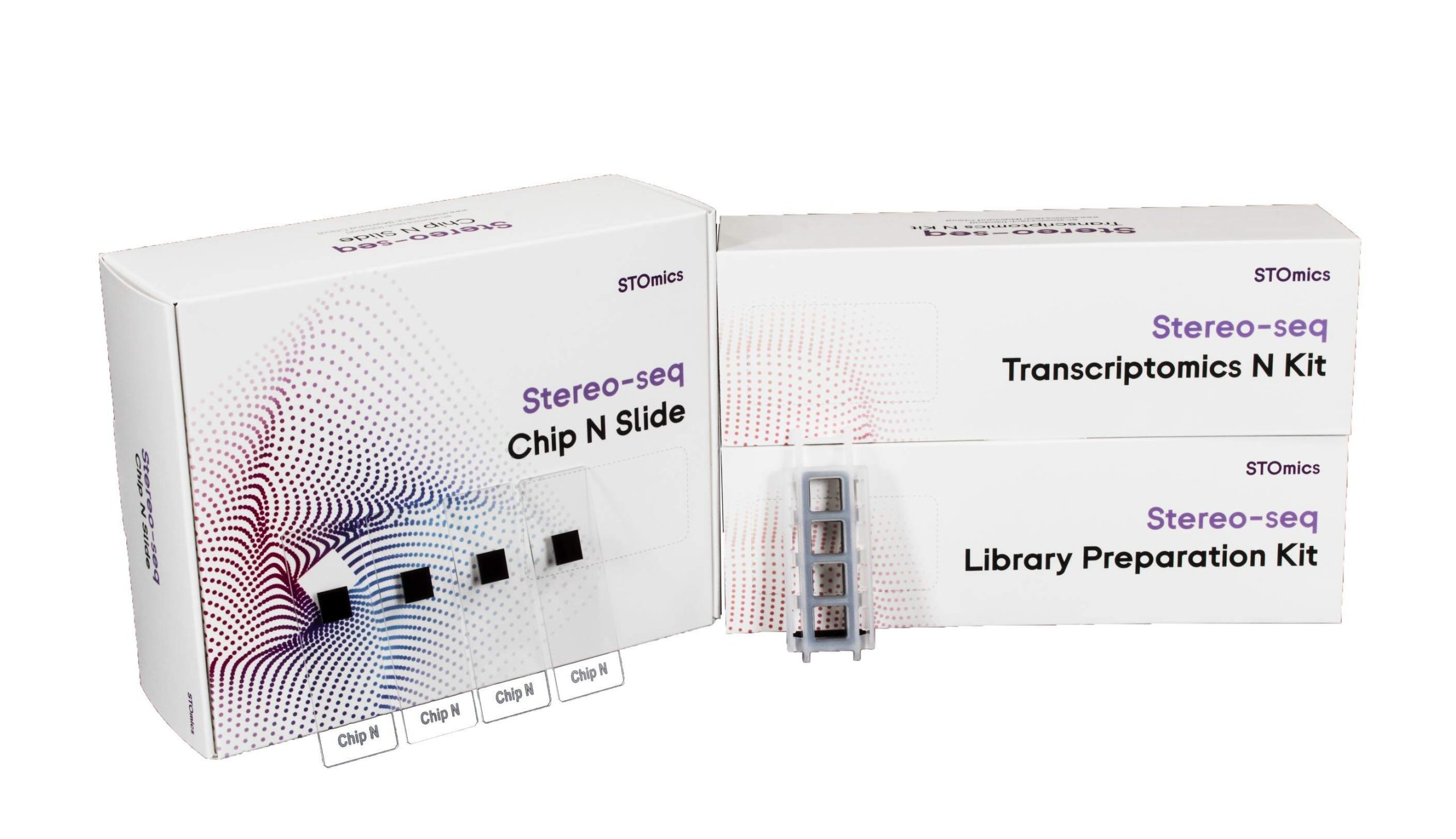
I came into this field to fix messy datasets, and I still get fired up when a run looks doomed. In a community hospital last March, we had 12 archival FFPE tumor blocks with mapping rates around 32% — a clear red flag; how do you pull valid insights from that mess? I turned to gene expression profiling straight away and paired it with a focused FFPE Transcriptomics Solution to test salvage strategies (short story: methodical triage wins).
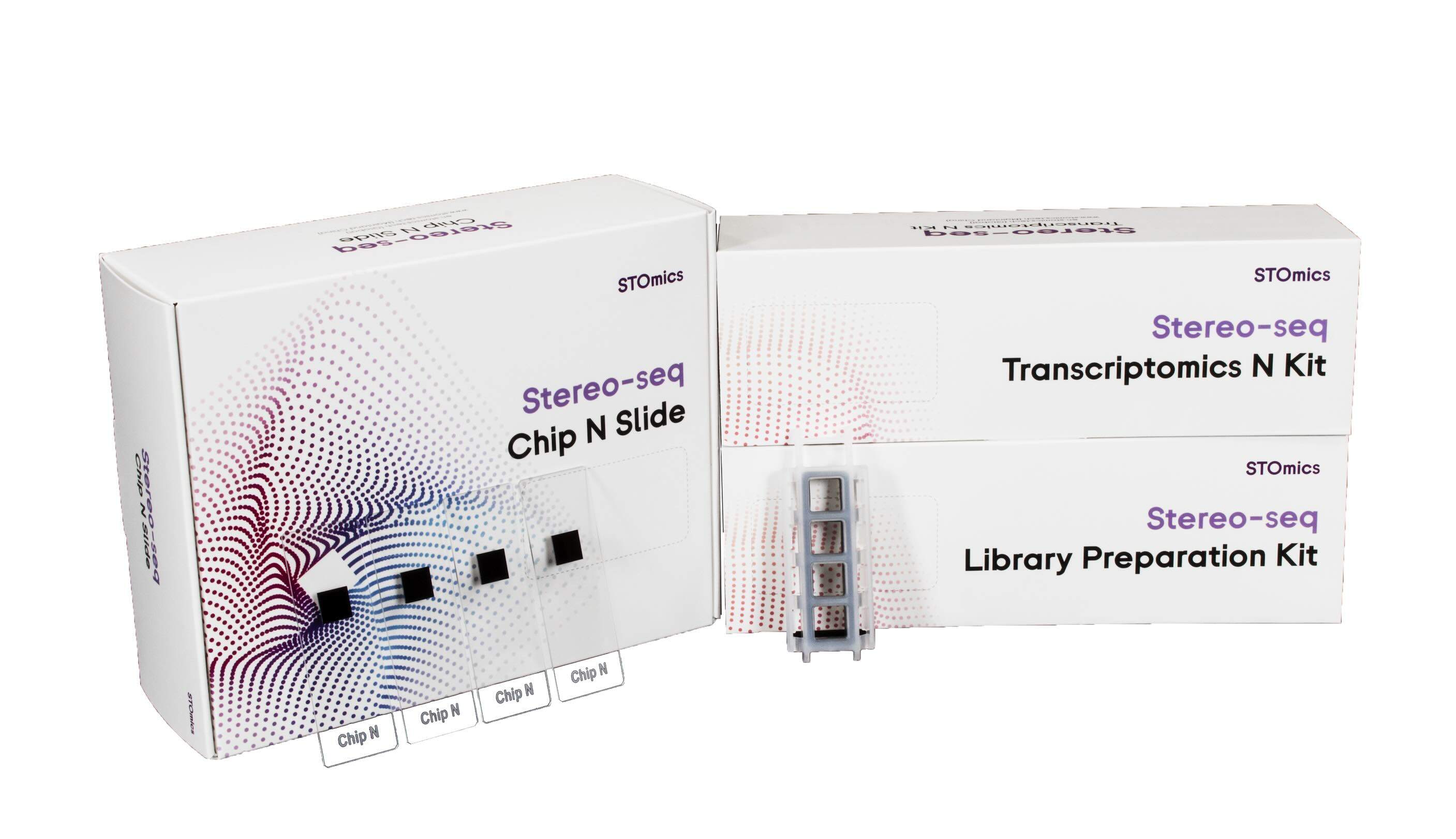
I’ve seen the same pain often: labs buy a one-size kit, assume library prep will fix everything, and then blame the samples. I remember processing a colorectal cohort in July 2022 at my UCSF satellite lab — we swapped a blunt, conventional extraction for an optimized deparaffinization and saw usable reads jump by 28% within one pilot plate. I’m talking concrete steps: measure RNA integrity (RIN proxies for FFPE), trim aggressively for fragmentation, and adjust sequencing depth to match the expected transcriptome complexity. The traditional solution flaws are consistent: overstated claims about FFPE compatibility, hidden losses during microtome handling, and ignoring sequencing depth needs. Those gaps create false negatives and wasted runs — and that frustrates me every time. Now we move to what actually helps next.
Forward-Looking Comparison: Tactical Upgrades and Platform Choices
What’s Next — Practical Criteria
Let me break down the core concept: FFPE requires workflows built for fragmentation — not patched versions of fresh-tissue protocols. I define three actionable comparison axes below, and I evaluate platforms through them while keeping spatial transcriptomics and library prep realities in view. First, assay sensitivity on degraded RNA: can the method detect low-abundance transcripts from 100–200 nt fragments? Second, workflow resilience: does the pipeline handle variable block age, fixation time, and microtome variability without repeated re-runs? Third, practical throughput versus sequencing depth: what are true per-sample costs when you need deeper coverage to compensate for loss? I use these metrics when I run pilots; they’re my baseline now. Also — I insist on a small pilot (6–8 samples) before scale; that saved us 40% in re-run costs during a 2021 breast-cancer pilot.
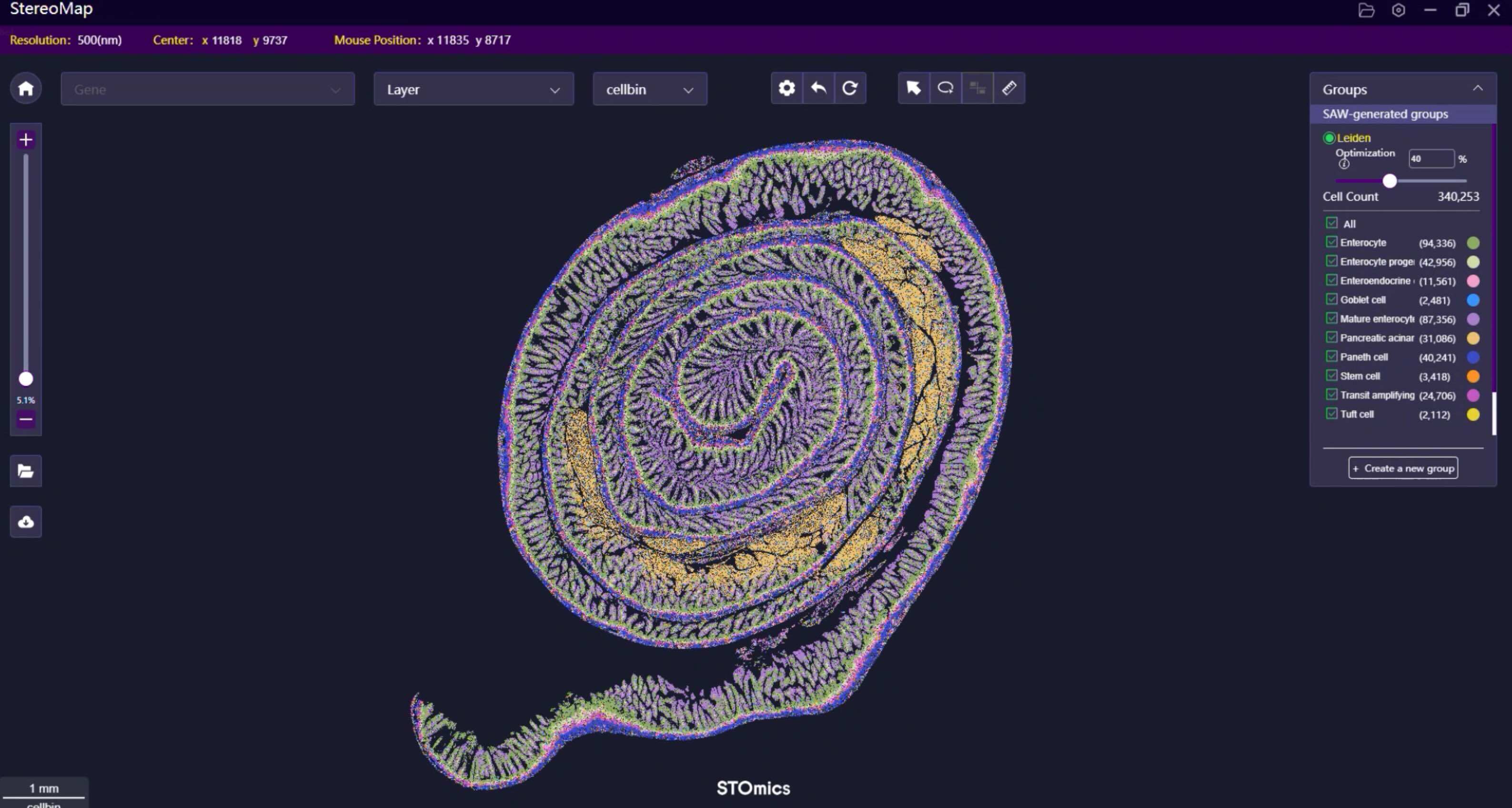
I run pilots with explicit endpoints: mapping rate target (≥60% usable reads), transcriptome coverage (genes detected at defined depth), and reproducibility (CV ≤20% across replicates). When comparing suppliers or in-house tweaks, I score each on those three metrics. Practical tip: pair targeted probes with whole-transcript strategies when you need both discovery and validation — it’s slower but avoids blind spots. I prefer assays that explicitly document performance on archival FFPE blocks older than five years; those validations matter. One more thing — sample handling kills outcomes more often than platform choice; train your histotech on consistent block trimming and contamination avoidance. Wait — small habits, big wins.
Summary & three evaluation metrics to choose by: 1) Real-world mapping and gene-detection benchmarks on FFPE (not just manufacturer claims); 2) Workflow tolerance to variable RNA integrity and clear per-sample cost at required sequencing depth; 3) Support for spatial context if morphology matters (integration with spatial transcriptomics tools). I speak from over 15 years in translational genomics, having run protocols in both academic and contract labs across San Francisco and Boston. I have quantitative results — improved usable data by ~28–40% when teams followed the steps above. Use these metrics; test with a small pilot; iterate quickly. For practical implementation and platform reference, I revisit gene expression profiling specifications and platform validation. That’s my playbook — I’ll keep refining it as methods improve. — And yes, sometimes you’ll hit a stubborn block; we regroup, adjust, and move on. Final note: check suppliers and certifications, then pick the workflow that meets those three metrics, and contact stomics if you need platform-level details.