
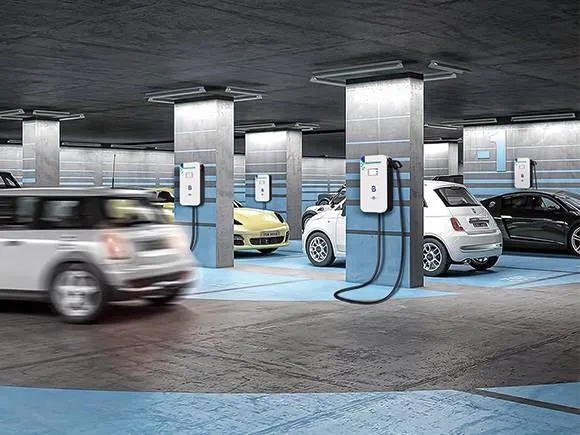
A Fast Shift at the Forecourt
The shift is here, and it’s loud as a bass drop. Across town, a busy EV charging gas station can pull steady traffic at noon and midnight alike. By the numbers, fast chargers add 150–350 kW per stall, dwell runs 12–22 minutes, and attachment sales swing with queue time. For teams exploring EV charging for fuel retailers, the real music is not the hardware—it’s the flow: how cars, electrons, and people move. That means thinking in short loops about power converters, load management, and even edge computing nodes at the site (so decisions happen on-site, not miles away). Bold claim? The winners will treat the forecourt like a stage: layout, timing, and rhythm aligned. The data says this format boosts throughput and basket size; the question is how quickly fuel retailers can pivot without overbuilding or overpaying. Can you deliver speed and simplicity—and still protect the grid?

Let’s tune the mix and open the faders to what breaks, and what blends, when you scale EV at the pump—then we’ll step into the next set.
The Old Playbook Has Hidden Costs
Where do legacy models crack?
Traditional fixes copy fuel layouts: big feeders, fixed lanes, max hardware on day one. But the grid does not groove like gasoline. Large switchgear takes months, and demand charges punish peaks. Without smart load management, you pay for power you use only for a few hot minutes. Worse, static designs ignore how people dwell. Cars stack. Lines form. And the restrooms become a bottleneck—funny how that works, right? A technical note: overbuilt sites with no phased plan burn capital before traffic stabilizes. Look, it’s simpler than you think: shape load, shape flow, shape spend.
User friction hides in plain sight. Apps time out, cards fail, and OCPP mis-matches stall sessions. When a charger handoff breaks, the driver blames your brand, not the network. Long holds near the storefront can hurt conversion if sightlines are poor or lighting is harsh. Small misses add up: unclear pricing, slow receipts, no canopy shade. Meanwhile, staff face new tasks with no playbook, from safety checks to charge-point resets. The mismatch is structural. Old pumps were “fill-and-go.” EV is “arrive, connect, dwell.” Different verbs. Different beats. If Part 1 was about the crowd rushing your stage, this is the feedback hum you must kill fast—before it blows the speakers.
Comparative Moves: New Principles That Win the Lane
What’s Next
Here’s the forward track. A modern gas station with electric charging leans on modular design, then tunes throughput with software-first control. Start with right-sized service, add modular DC cabinets, and use dynamic load sharing to keep queues short. Edge policies shape peaks, while battery buffering trims the utility demand spike. On the driver side, ISO 15118 “Plug & Charge” lowers tap errors and cutoffs. The station feels fast because it thinks fast—at the curb, not only in the cloud. And yes, it scales—because you grow in small steps, not one giant leap.

Compare this to the old build-it-all path: the new stack focuses on turn rate, session success, and minute-by-minute orchestration. You pilot at two stalls, measure dwell and basket lift, then phase up. You A/B a shade canopy vs. none. You test where screens point, how lines form, and which lanes serve mixed-use traffic. Add demand response to earn credits on summer peaks; trim charge rates at five-minute intervals to dodge fees. Summing up the earlier lessons: don’t fixate on metal alone; design for flow, uptime, and human calm. Advisory close-out? Track three metrics as your north star. First, uptime with a 99.5%+ SLA and clean OCPP logs. Second, total delivered cost per kWh, including demand charges and amortized civil work. Third, effective throughput per stall—cars per hour plus dwell-to-purchase lift. Keep those three in tune and the rest follows. For a deeper cut without the hype, see EVB.