
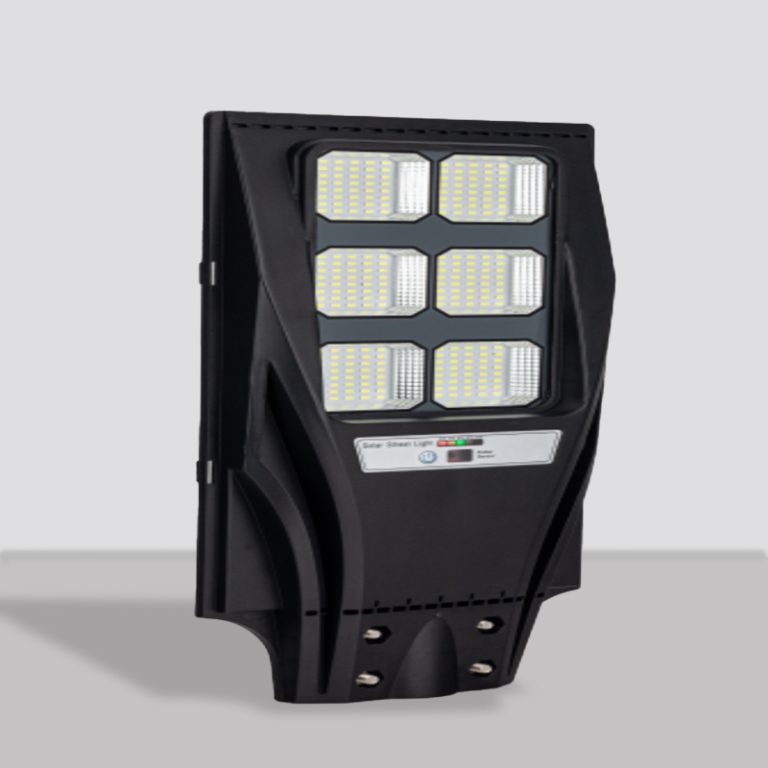
Imagine walking down a beautifully lit street at night, where each lamp is powered by the sun—pretty stunning, right? With studies showing that solar lighting can reduce energy costs by up to 75%, it’s no wonder there’s a growing interest in solar power street lights today. But have you ever considered the common pain points that come with these innovative solutions? Let’s dive deeper into this evolving technology.
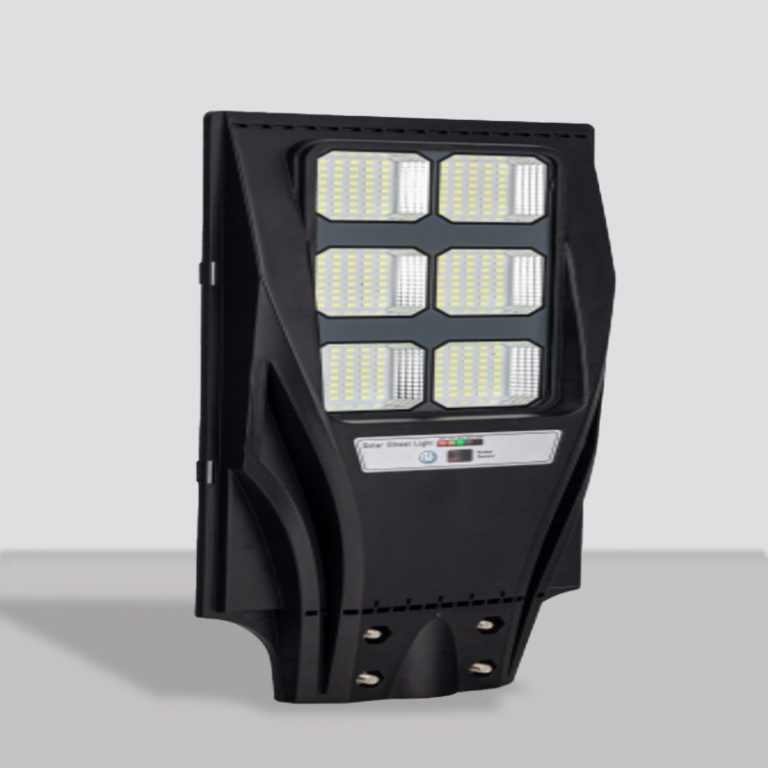
Traditional Solutions Under Scrutiny
Many traditional street lighting solutions rely heavily on electricity from non-renewable sources. I recall a time back in 2018 when our local government switched to LED lights powered by the grid. Sure, they reduced energy consumption, but the upfront installation costs and ongoing electricity bills were daunting. What if solar power street lights could address these concerns once and for all? These systems not only eliminate high energy bills but also lower carbon footprints, making them an attractive alternative that benefits both the environment and our pockets.
What Are the Real Challenges?
However, it’s essential to acknowledge that adopting solar street lights isn’t without its hurdles. For instance, the efficacy of solar panels can significantly drop during the rainy season—ah, the classic Philippine weather! If users don’t regularly clean the panels or if they’re installed in shaded areas, the performance suffers. Believe me; a community project I worked on last year faced this exact issue. Therefore, ensuring proper maintenance and optimal placement becomes critical in maximizing the benefits of solar power street lights.

Looking Ahead: Innovations on the Horizon
As we look to the future, the ongoing advancements in technology are set to reshape the landscape of solar street lighting. The integration of smart sensors is becoming increasingly popular, allowing lights to adjust their brightness based on pedestrian activity. Imagine walking in the dark and having the lights illuminate just for you! This functionality not only enhances safety but also conserves energy. Just last month, I visited a community in Cavite where they installed these smart solar lights, and the local residents couldn’t stop raving about the changes. Pretty cool, right?
What’s Next for Solar Street Lights?
Did you know that manufacturers are now exploring AI-driven options that track usage patterns? This new technology could allow street lights to become even more efficient. Additionally, better battery technology is on the rise, promising longer charge retention and quicker recharge times—ideal for those rainy days. The future isn’t just bright; it’s shining with solar possibilities!
Concluding Thoughts: The Human Touch
Reflecting on all these insights, it’s clear that we need to embrace these innovations while remaining cautious of their challenges. Investing in solar street lights not only pays off in utility savings but also fosters community spirit and environmental responsibility. As someone who’s been deeply involved in this industry for over 15 years, I believe the key takeaway is to do thorough site assessments and continuous evaluation of performance metrics to ensure we’re making the best choices. Embracing these new trends means looking beyond costs and considering long-term impacts—something we all can benefit from.
In the end, remember that implementing effective solutions requires clear evaluation criteria. So, whether it’s assessing the performance during rainy seasons or the adaptability of smart features, always keep a keen eye on what’s best for the community. For more insights and options in solar street lighting, check out THOE—your partner in sustainable solutions.