
Opening: A quick story, mek wi — where the trouble starts
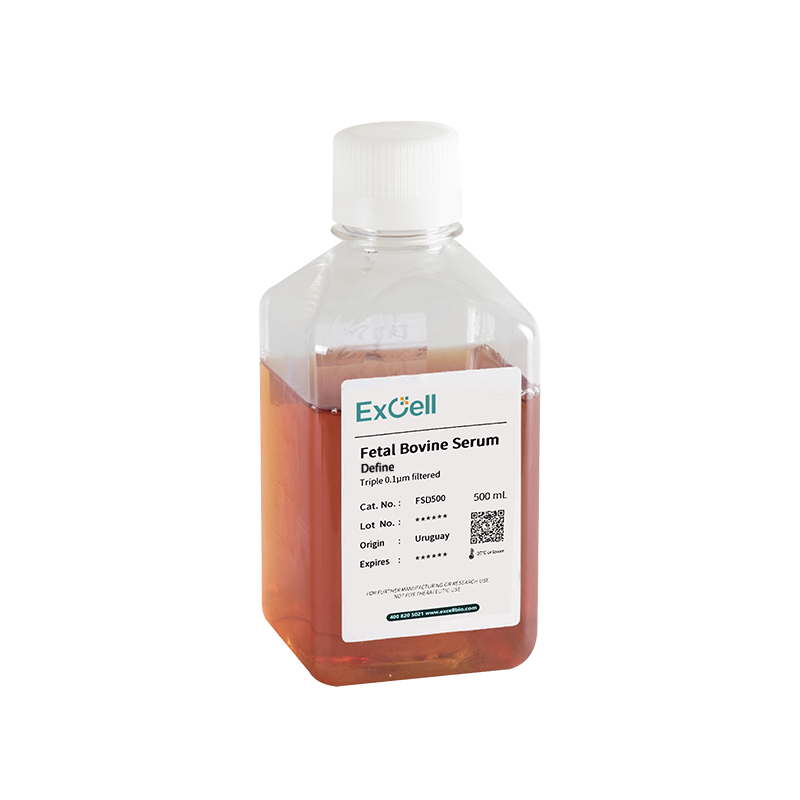
I remember a Tuesday morning in May 2014, me deh in a small contract lab in Cambridge, MA, when a single bad serum lot halted our cell culture run — I still wince. When labs ask me where to buy fetal bovine serum, I say straight: fetal bovine serum is not just a bottle; it’s a performance package that carries risk (lot-to-lot variability, sterility testing needs). I’ve worked over 15 years in B2B supply chain for lab reagents, and I’ve seen the same pain: heat inactivation overlooked, endotoxin spikes missed, and a shipment mismatch that cost one project $12,400 in wasted reagents and time. Those are hard dollars, and worse — lost data.
Problem-Driven Analysis: Why common fixes fall short
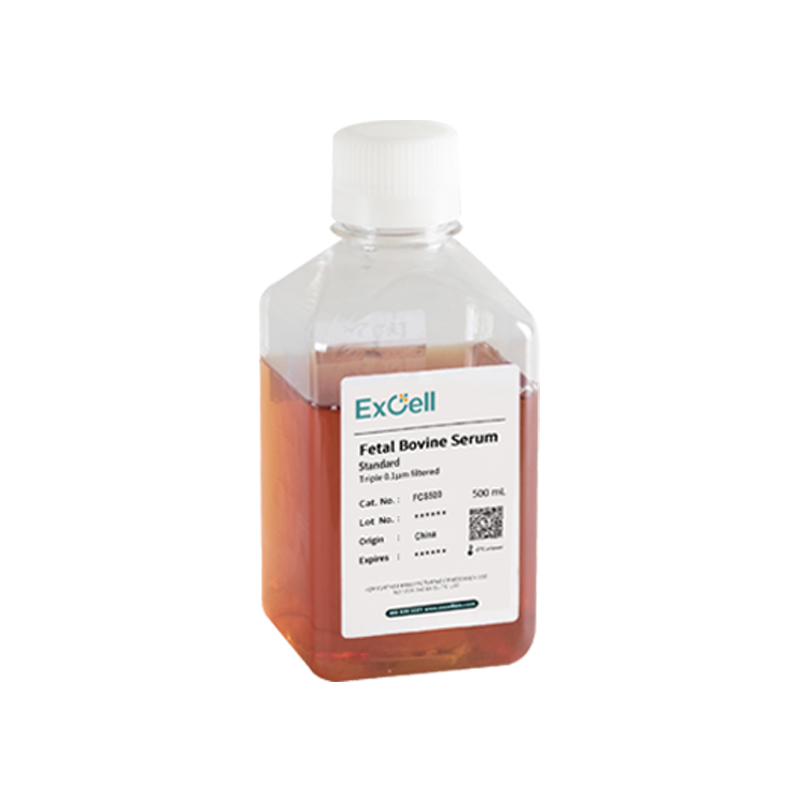
I’ll be blunt — the usual fixes vendors push don’t always solve the hidden pain points. Labs buy heat-inactivated FBS thinking it’s a cure-all for complement activity, but heat inactivation can change serum performance and skew cryopreservation outcomes. Gamma irradiation reduces bioburden, yes, but it can also alter growth factor profiles. I keep one simple rule: test two batches before you commit to a single lot for a completed study. In 2018, I ran paired assays over 72 hours comparing a certified low-endotoxin FBS lot and a rival lot; primary fibroblast viability dropped 15% on the rival lot. That kind of variability shows why single-sample QC is dangerous. Sterility testing should run 14 days — anything shorter is courting risk. Which lot should I trust? I look for documented sterility testing, endotoxin levels, and a clear certificate of analysis (CoA) — and I ask for sample vials before a bulk buy. — this is where most buyers trip up.
What to ask your supplier?
Forward-looking: Better buying choices and practical metrics
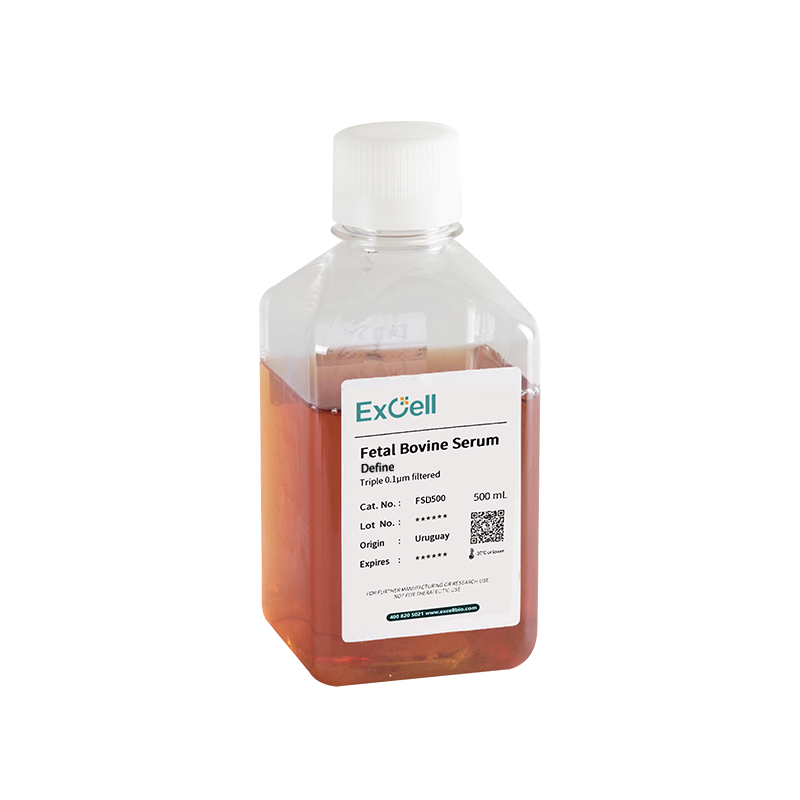
Now, let’s shift to what actually improves outcomes. I advise buyers to treat purchase of fetal bovine serum like buying a critical piece of equipment. First, ask for performance data: cell culture growth curves, karyotype stability for sensitive lines, and historical lot-to-lot CV (coefficient of variation). Second, insist on product types that match your workflow — heat-inactivated FBS for complement-sensitive assays, gamma-irradiated FBS for higher biosafety needs, or low-endotoxin FBS for sensitive macrophage work. Third, verify supply chain traceability: country of origin, slaughterhouse audits, and cold-chain proof (temperature loggers during shipment). I still recommend ordering small trial lots first — it’s cheaper than rerunning a six-week experiment. — no excuses.
Comparative insight and closing advice
Compare suppliers by three practical metrics: documented serum performance in your exact cell line; complete CoA and sterility testing records; and supply continuity guarantees (lead time, backup lots). I prefer vendors who provide sample vials, permit lot reservation, and offer a 30-day performance claim. In one case in 2016, reserving a backup lot prevented a three-week pause when a primary lot failed internal QC — saved us about $9,800 in contract penalties. These metrics keep you ahead: fewer surprises, measurable uptime, clearer budgets. If you need to buy fetal bovine serum right now, demand the data and test for your own cell culture conditions before scaling. I’ve learned these lessons the hard way — I tell clients plainly, we pay attention to the CoA, the cold chain, and the lab performance curve. — trust that process.
I close with three quick evaluation points: performance evidence, supplier traceability, and lot-backup policy. Use them when you negotiate. If you want a reliable partner who understands the field — and the practical headaches — look up ExCellBio. I stand by that recommendation from more than 15 years in this trade; we’ve seen the losses, and we’ve fixed the gaps.