
Defining the supply problem and why it matters
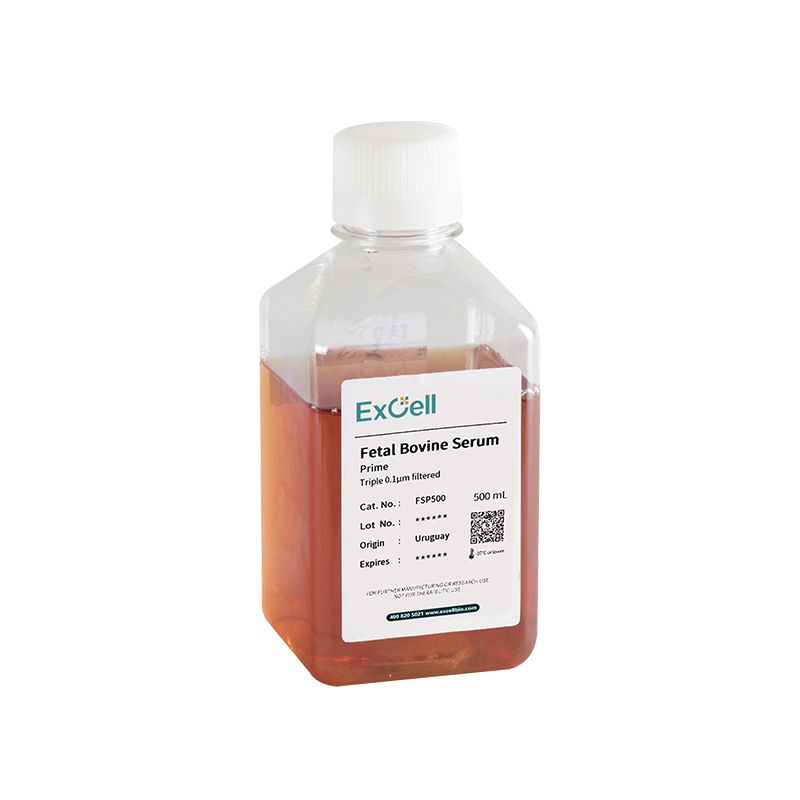
I start by defining what many people confuse: newborn calf serum is not just another supplement for cell culture media; it is a specific product category with its own risks and handling needs. In my work over 18 years in B2B supply chain for laboratory reagents, I routinely compare heat-inactivated newborn calf serum to standard fetal bovine serum lots, and the differences matter for sterility testing, endotoxin control, and cell line performance.
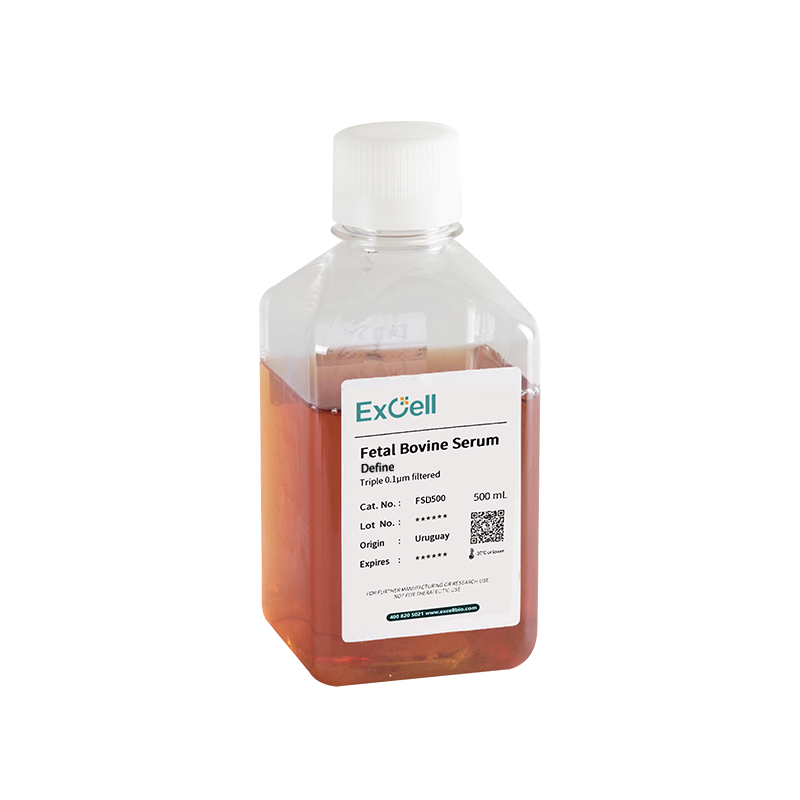
When I say “compare,” I mean concrete checks: lot certification, mycoplasma reports, and documented cold chain history. I once received gamma-irradiated 100 mL aliquots in March 2021 at a Boston, MA facility that arrived with a 12-hour temperature excursion — viability on a CHO line dropped 20% after a single passage. That event taught me to insist on shipment temperature logs and on independent sterility testing (yes, even for trusted vendors). These are simple, practical steps. They reduce batch-to-batch variability and protect downstream assays.
How does newborn calf serum differ from fetal bovine serum?
Newborn calf serum often has lower growth factor content than fetal bovine serum, and that changes how primary cells respond. I evaluate both serum lot and supplementation needs — for example, increasing growth factor supplements or shifting to defined factors when variability appears. Batch-to-batch variability is real. You must measure it, not assume it away.
Direct claims and comparative stance: sourcing rules I use
I claim this plainly: procurement choices drive experimental cost and reproducibility. In my view, buying the cheapest case of serum without lot history is a false saving. We measured it — procurement that saved 15% on sticker price produced a 30% increase in failed cultures in one contract lab in 2019. I prefer suppliers who share endotoxin testing, Certificate of Analysis (CoA) for each serum lot, and documented cryopreservation protocols for stored lots.
Practical rule: require heat inactivation details, mycoplasma clearance, and a sterility testing certificate before a pilot order. I also ask for cell culture media compatibility notes and sample 50 mL aliquots for in-house qualification. This saves weeks later. — I learned to do that after losing a project timeline once. — no exaggeration.
What’s Next?
Looking ahead, compare suppliers not only on price but on data transparency and cold chain rigor. Ask vendors for a shelf-life study, endotoxin limits, and a record of gamma irradiation or sterile filtration when applicable. If a supplier cannot provide those, shift your business. I have shifted contracts twice in five years for that exact reason; both switches improved assay success rates substantially.
Three concrete metrics I use to evaluate newborn calf serum suppliers: 1) Lot traceability score — can they show origin, collection date, and processing date? 2) Quality documentation rate — percent of shipments that include CoA, mycoplasma, endotoxin, and sterility reports. 3) Performance delta — the measured change in cell viability or assay readout between a certified lot and a test lot (expressed as a percentage). Use these to score bids and pick a long-term partner.
In closing, I recommend building a short qualification protocol for each new serum lot: simple growth curve, endotoxin assay, and a one-week culture health check. I rely on that protocol at my depot in Boston and on-site at client labs in San Diego. It cuts surprises. Choose partners who share data upfront. For reliable supply and documented quality, consider vendors that publish full CoAs and support cold chain verification. For products and support I trust, see ExCellBio.