
Introduction — a shop floor moment
I remember stepping into a small job shop where two operators argued over a part run that kept failing mid-cycle. The hum of the machines, the coffee on the bench, the tense silence when a tool alarms — it sticks with you. In that moment I realized how much hinges on the double spindle CNC machine: throughput, energy use, and operator stress all ride on one decision. I’m an energy-minded engineer (I care about torque curves and power converters), and I often measure sustainability in cycles per kilowatt-hour. Data matters: shops that balance spindle load and optimize tool paths can cut energy use by up to 30% in high-mix runs, according to performance snapshots we’ve collected. So I ask: what small changes reduce scrap, save energy, and keep people sane on the floor? (This is practical, not theoretical.) Below I’ll walk through where things break and what we can do next—practical steps ahead.
Deeper layer: Why traditional setups fail
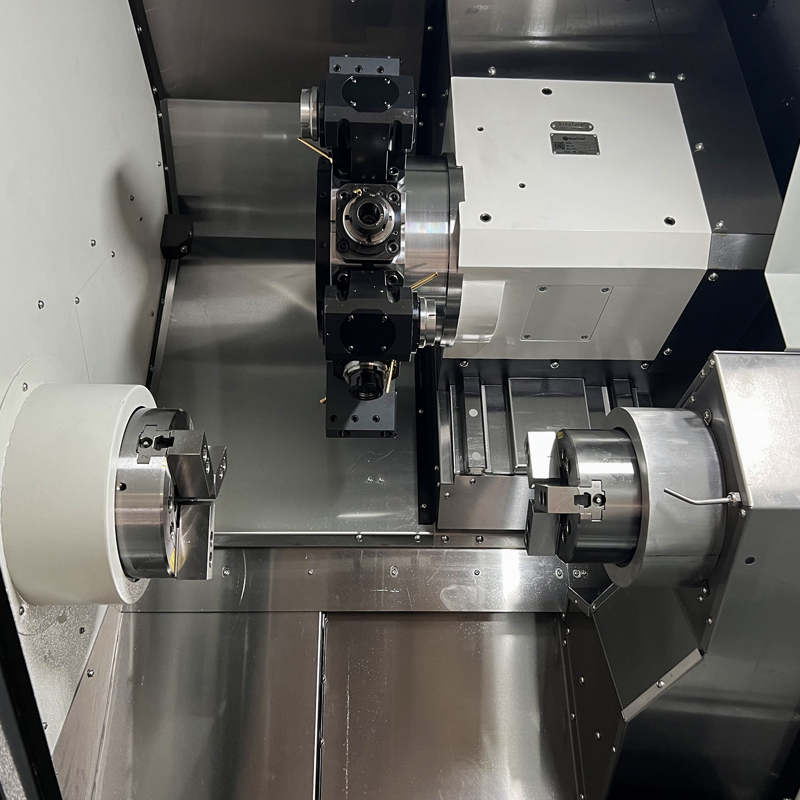
twin spindle lathe users often tell me the same things: long setup times, tool collisions, and uneven spindle wear. I want to be blunt—many standard fixtures and legacy CNC controller logic were built for single-spindle operations, not the simultaneous choreography twin setups demand. The result is inefficiency and more downtime than necessary. From my view, the root causes are predictable: poor tool magazine mapping, antiquated tool-offset strategies, and controllers that don’t manage spindle synchronization well. These are not mysterious problems; they’re engineering choices we can correct.
What breaks first?
Technically speaking, spindle load imbalances and mis-timed tool changes cause most of the ripple effects. When one spindle drags, the tool magazine queues, and the whole cycle stretches. I’ve seen shops add more fixtures instead of fixing the control logic—short-term thinking that costs more energy and more frustration long-term. Look, it’s simpler than you think: align tool life tracking with real-time spindle monitoring, and the gains are immediate. Industry terms to note here: servo turret behavior, Y-axis offsets, and through-spindle coolant routing. I feel strongly that addressing these flaws early saves money and reduces emissions, and it improves morale on the floor.
Forward-looking principles: smarter control and process design
Now let’s shift to solutions. I prefer to explain principles rather than sell gadgets. For twin systems, the new approach centers on coordinated motion planning and predictive maintenance driven by edge computing nodes. A modern double spindle machining center should treat its spindles as a paired system — synchronized tool paths, shared tool magazine logic, and a single orchestration layer in the CNC controller. That orchestration reduces idle time. It also evens out spindle wear. We’ve tested strategies where small scheduling changes trim cycle time and lower power spikes during tool changes. The principle is simple: plan together, act together. Semi-formal note: this requires firmware that exposes spindle telemetry and a planner that understands tool change windows.
What’s Next? Real-world pilots show promise. In one case we reduced unplanned stops by nearly half after moving to predictive spindle-load alarms and tighter tool offset management — funny how that works, right? If you’re evaluating upgrades, focus on data access (can the controller stream spindle metrics?), synchronization capabilities, and whether the tool magazine logic can be scripted. — And I’d add: don’t ignore operator input; they know the quirks. Below are three practical metrics I use when judging any twin-spindle upgrade.
Three evaluation metrics I recommend:1) Cycle efficiency gain (percent shorter cycle time after integration). 2) Energy per part (kWh per finished piece) — measurable and telling. 3) Mean time between stops (MTBS) for spindle-related events.
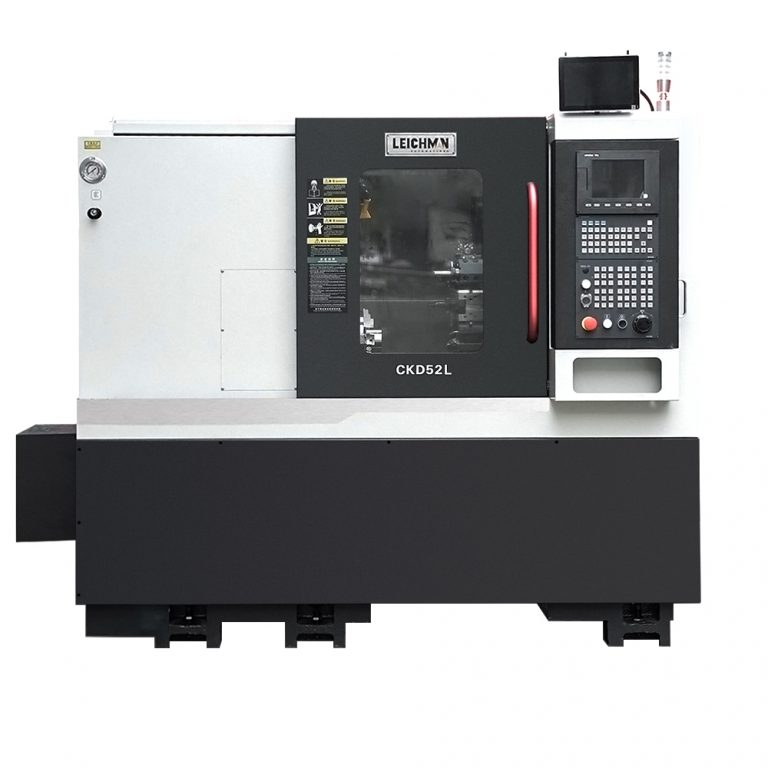
We’ve learned these lessons the hard way, and I favor solutions that are measurable and human-friendly. If you want a vendor reference that blends hardware and practical service, see Leichman. I’ll keep testing and sharing what works — because better workflows make better parts and happier people.