
Introduction — A Quiet Question That Matters
Have you ever stood beside a car that refuses to charge and felt that small, sinking unease? I have. In many cities, EV adoption is rising by double digits each year, yet charging uptime statistics still show gaps. The dc ev charger sits at the heart of that gap, quietly shaping whether an EV trip is smooth or full of stops and stress.
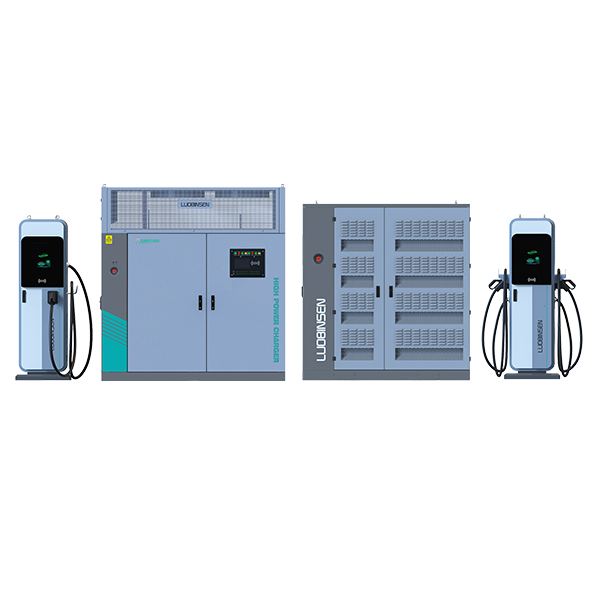
Imagine a commuter who needs 80% battery in 30 minutes, or a delivery fleet that can’t afford downtime. Data from metropolitan pilot programs shows chargers offline 3–7% of the time — small on paper, huge in practice. What design choices create those outages? What trade-offs hide behind headline specs? (Hint: not everything labeled “fast” behaves the same on the road.)
I want to take you through what I’ve learned at the bench and in the field. We’ll look at where systems fail, where users hurt, and where real improvements come from — no jargon padding, no marketing gloss. Let’s peel this back and see what matters most.
What’s Failing Now: Technical Flaws and User Pain
dc ev charger manufacturer — here’s where I start: many suppliers build to spec, not to use. Designs can meet lab numbers but trip up under real loads. Power converters overheat when ambient temps rise. Battery management systems react slowly to cell imbalances. Charge controllers sometimes misread vehicle states. These are not exotic faults; they’re basic engineering missed in scale-up.
Look, it’s simpler than you think: vendors chase peak kW figures and ignore thermal margins, leading to derating during long sessions. Users feel this as slower-than-advertised charging, or sessions that stop mid-cycle. For fleets, that translates to schedule slips. For drivers, it’s anxiety and extra planning. In short, the spec sheet hides operational fragility.
Why do these problems persist?
Partly because testing environments differ from the street. Bench tests use steady-state loads; reality has transient starts, cold nights, and mixed-protocol handshakes (CAN, PLC). Add edge computing nodes that promise smarter load balancing — but poorly integrated — and you get complexity without reliability. I’ve seen systems choke not from raw power needs but from poor software coordination. It’s frustrating — and fixable.
New Principles for Better Charging — What to Look For Next
Moving forward, I’d focus on principles rather than specs. First: thermal resilience. Components rated comfortably above expected junction temps avoid derating. Second: modular power architecture — smaller, parallel power modules let a charger keep operating if one module trips. Third: smarter integration with the grid and vehicles through robust communication protocols and real-time telemetry. These ideas reduce single points of failure and improve uptime at scale.
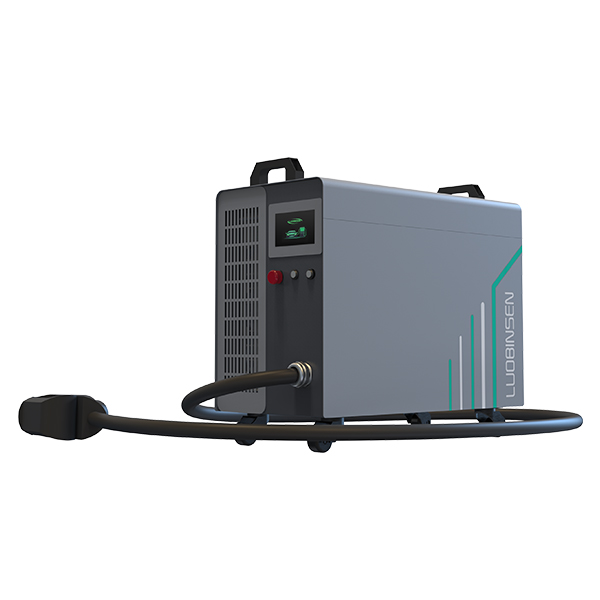
For example, a charging depot using distributed power modules and active thermal management showed a 40% reduction in forced slowdowns in trials. It wasn’t flashier power numbers that did it; it was stable power delivery and clearer diagnostics. Also, don’t forget interoperability: if a site supports multiple vehicle protocols and has remote diagnostics, mean time to repair drops dramatically — funny how that works, right?
What’s Next?
We should expect a wave of chargers built around resilient electronics and better software orchestration. That includes adaptive power converters, predictive maintenance via analytics, and tighter battery management interaction. At the equipment level, look for systems that describe derating behavior openly and provide logs you can read. At the user level, prioritize uptime and predictable session times over headline kW.
To make this actionable, here are three metrics I recommend when evaluating suppliers: 1) sustained power under thermal stress (how long it delivers rated power at high ambient temps), 2) modular fault tolerance (can it operate when a submodule fails?), and 3) remote diagnostics depth (are logs complete and accessible?). Use these to compare proposals. I’ve used them when advising fleets; they work.
In the end, I believe practical reliability beats shiny specs for real-world value. If you want partners who build with those priorities, check out Luobisnen. They’re not perfect. But they focus on the things that make chargers useful every day — and that’s what counts to me.