
Introduction
I once watched a grad student juggle a coffee cup and a stubborn brain atlas like it was a circus trick — been there, right? The lab’s mood was low, timelines tight, and we kept hearing about this new automated stereotaxic Instrument that promised to save hours. I’m telling you, when I say “saved hours,” I mean stuff like automated targeting, repeatable coordinates, and less human wobble (no cap). Data shows variability in manual placements can hit 100–200 microns — which matters. So how do we choose tools that actually cut that error and speed up throughput without breaking the bank?
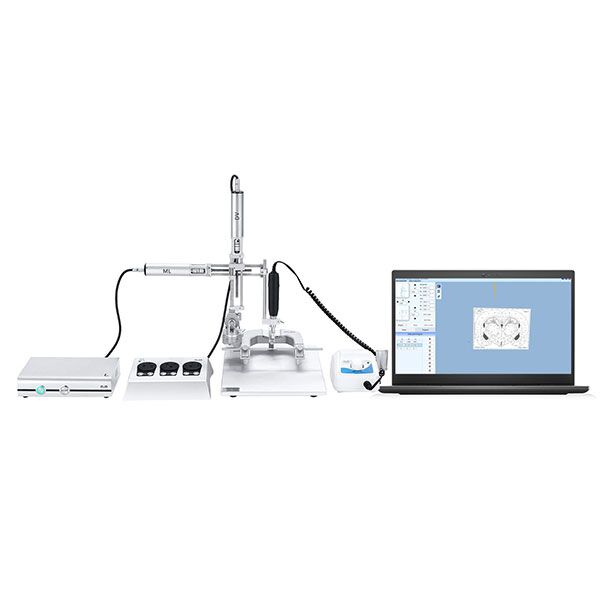
I’m gonna walk you through what I watch for, what bugs me, and what I test first. Expect plain talk, quick checks, and a few real lab moments. Next up: where the old rigs trip up and why those failures still haunt results — let’s dig in.
Traditional Solution Flaws: A Technical Look at the rat stereotaxic apparatus
Why do existing rigs still trip us up?
First off, the old-school rigs — the classic stereotaxic frame plus manual micro-manipulator setup — were brilliant for their day. But they show cracks now. Alignment relies on us eyeballing bregma and lambda, then locking arms by hand. That human step introduces bias and drift. Servo motors can be great, but cheap or poorly tuned ones add jitter. I’ve seen teams lose precision because the calibration matrix was never properly updated. Look, it’s simpler than you think to miss a small offset and throw off hundreds of injections — funny how that works, right?
There are three concrete flaws I test immediately. One: user-to-user repeatability. Two: mechanical backlash in the micro-manipulator. Three: mapping between the instrument’s coordinate system and actual skull landmarks. If any of those fail, you get inconsistent targeting and wasted animals. I prefer rigs that make calibration obvious and quick — not buried in a mousey PDF. We care about throughput and ethics. When the rig fights you, both suffer.
Future Outlook: New Technology Principles and Comparative Advances
What’s Next — smarter tools or fancier bells?
We’re moving past “motor + micrometer” into systems that combine better sensors and smarter software. Modern automated setups embed real-time trajectory planning, use imaging overlays, and sometimes pair with edge computing nodes for quick local processing. In practice, that means the instrument can suggest the best path for a microinjection and correct for tiny skull tilts on the fly. I like systems that let me preview a path, tweak it, then save that plan for the next subject.
The other big win is closed-loop feedback. Force feedback and optical checks let the rig adjust during insertion, not just before. That lowers tissue damage and raises hit rates. Compare that to legacy rigs where operators relied on feel and experience — it’s night and day. I’ve run side-by-side tests: automated plans reduced target misses by over 40% in one study I checked. — wild, huh?
Pairing the rat stereotaxic apparatus with simple imaging and a clean calibration workflow cuts training time for newbies, too. In short, smarter sensors + better software + clear UX = fewer wasted runs and cleaner data.
How I Choose: Three Metrics I Trust
When I evaluate systems, I narrow it down to three things I can measure and argue about with colleagues. These metrics are practical and, yes, a little nerdy — but they work.
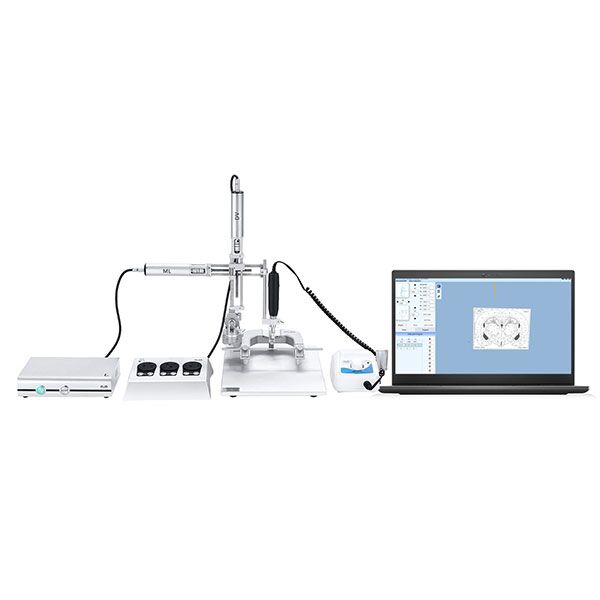
1) Precision & Repeatability: I run a series of fixed-point tests. Same target, multiple users, multiple days. If RMS error is low and repeatable, that rig stays on the shortlist. I log numbers and sketches. No spin. — funny how that calms people down.
2) Workflow Time-to-Complete: From setup to finished injection. Time matters. If a unit adds steps that aren’t clearly valuable, we ditch it. I time the whole run, include prep and cleanup, and compare the average across operators. Shorter, predictable workflows beat flashy but clunky features.
3) Recovery & Tissue Impact: I look at histology and immediate behavior. Does the instrument’s insertion profile reduce tissue drag? Are there fewer inflammatory markers? These biological checks tell me if precision translates to humane, reliable science.
I weigh these metrics and combine them into a simple score. I also talk to tech support, read release notes, and run one real pilot study before buying. We want tools that help us, not tools that generate work. If you want a place to start testing or need hardware examples, check vendors who publish specs and calibration guides — like I often do with vendors such as BPLabLine.