
Introduction — a small workshop, big lesson
I was repairing a neighbourhood rice mill when the motor died mid-cycle; everyone sighed, and the whole day stalled. An electric motor sits at the heart of so many small miracles we rely on daily. Globally, about 45% of industrial electricity use is linked to motor-driven systems, so even small choices matter for cost and reliability (that’s a lot of lost hours and rupees). What I kept thinking was: are we choosing the right motor for the real task, or just the cheapest label? This piece will walk through some practical comparisons and give you steps to think clearly about motors, not just specs — then we move into what actually breaks and why.
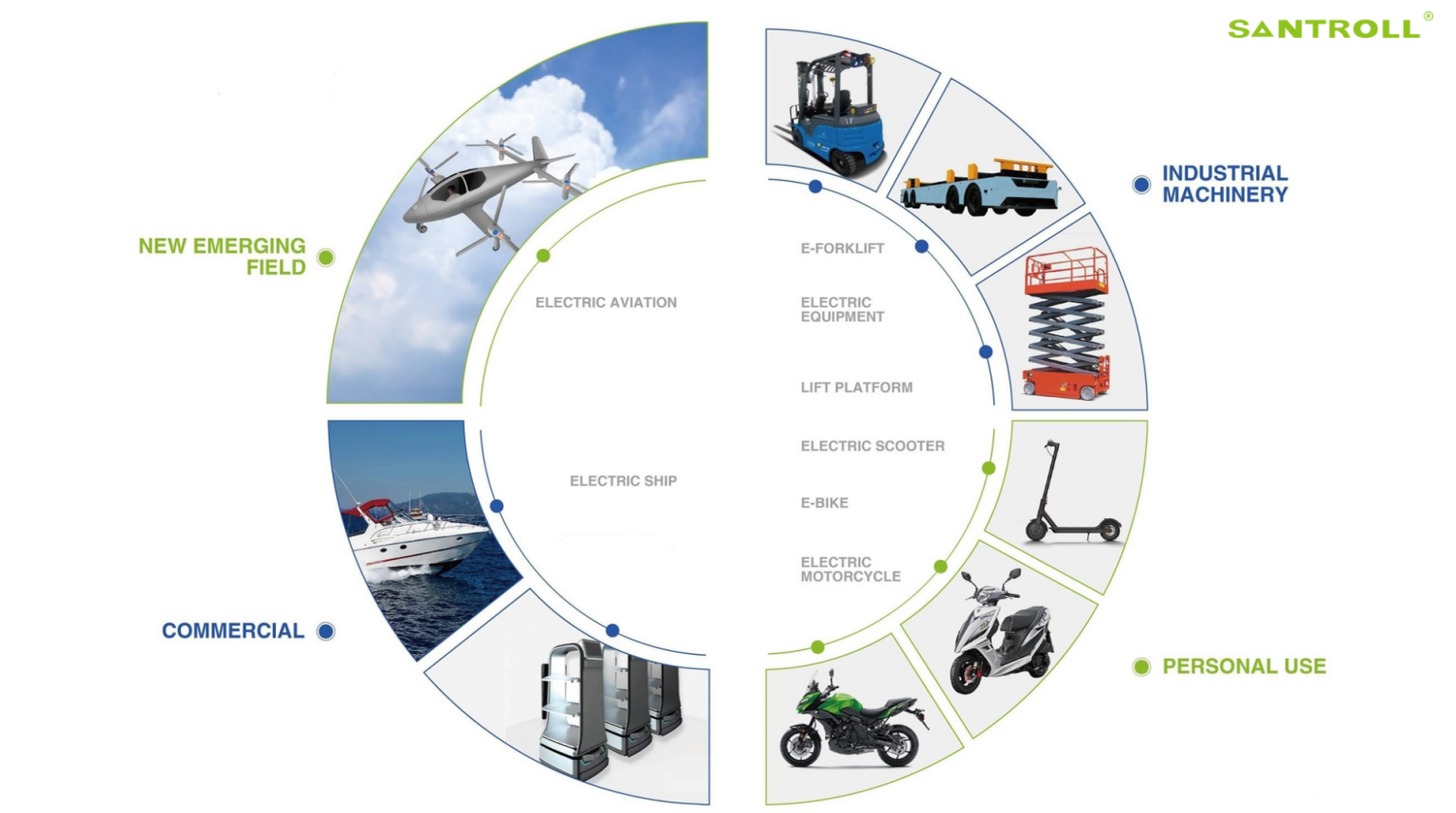
Deeper problems with the brushless electric motor
What’s commonly missed?
I’ve seen many teams pick a brushless electric motor because it promises efficiency and low maintenance. On paper that looks great: fewer brushes, less wear, and lower heat. But in practice we hit trouble when the control system and mechanical load don’t match. Two main troublemakers are torque ripple and poor commutation timing. Torque ripple creates vibration and noise; poor commutation raises peak currents that stress the inverter and the bearings. Look, it’s simpler than you think: if the drive firmware, sensors (Hall sensors or encoder), and rotor inertia aren’t tuned to the load, the motor will underperform and parts fail early. — funny how that works, right?
There are hidden user pains too. Shops expect “plug and play,” yet modern brushless systems need careful controller setup, correct PWM settings, and sometimes more elaborate cooling. Power converters and inverter sizing get neglected. I personally prefer an approach where we measure back-EMF and adjust commutation in real tests rather than relying on default maps. That saves hours on troubleshooting. In short: the hardware is good, but the supporting systems and user expectations are the weak link. We must treat the motor as a subsystem, not a drop-in fix.
Looking forward: principles and practical choices for pmsm motor use
What’s next for real-world installs?
When we shift from problems to solutions, I like to explain a few core principles rather than list features. First: match control strategy to the machine. For a high-precision pmsm motor like a permanent magnet synchronous design, you need field-oriented control that respects flux linkage and torque demands. Second: test with the actual load — don’t trust bench numbers alone. Third: plan for monitoring (simple sensors, a modest controller firmware update, and periodic checks). These steps lower downtime and improve energy use. I recommend you try one trial install, gather current, torque, and temperature logs, and iterate. — and yes, it surprises me too how often a small tweak to the controller yields big savings.
Now, about evaluation: I always weigh three things together. Efficiency under typical load, how the system handles transient torque, and maintainability of the drive electronics. If you are choosing between motor types, compare real-world torque curves, controller complexity, and lifecycle servicing needs. I’ve worked on projects where a higher initial cost for a better-matched pmsm motor paid back in months because lost production dropped and maintenance calls dried up. These are practical trade-offs, not marketing claims.
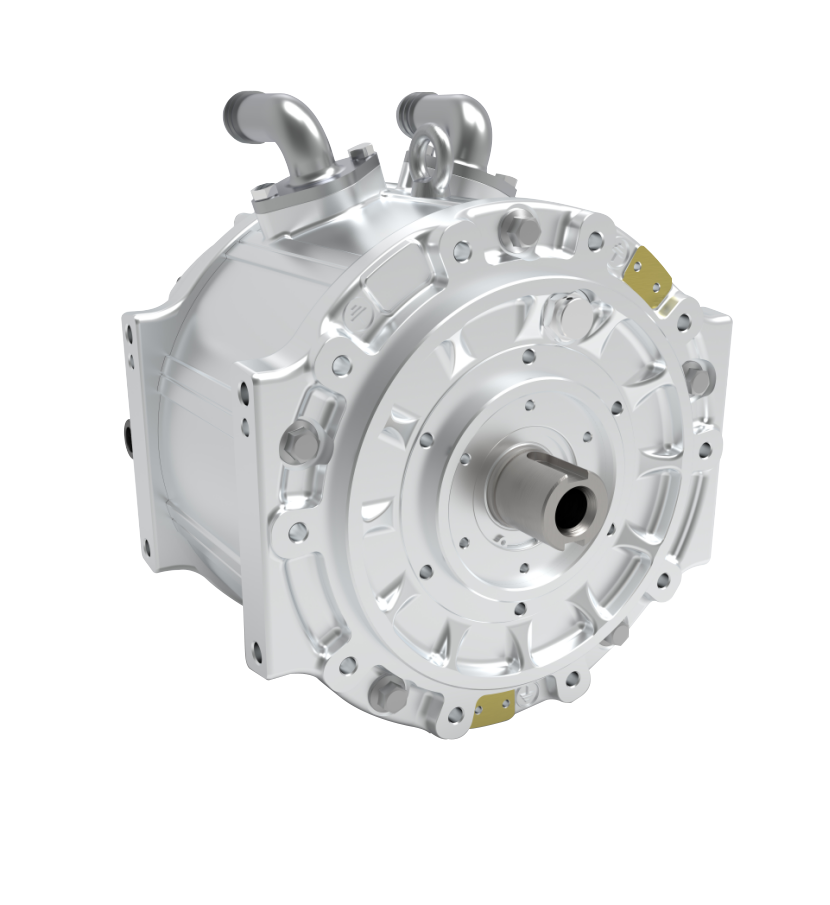
Final takeaways — three metrics I use when choosing a solution
We can be brief here. After years on the bench and the floor, I test systems against three simple metrics: (1) operational efficiency at the expected load profile, (2) dynamic response — how well the controller handles sudden torque changes, and (3) total cost of ownership including spare parts and downtime. Use measured data, insist on controller logs, and don’t skip a short field trial. If you do these, you avoid the common traps I described earlier.
I hope this helps you decide with more confidence. I’ve written from hands-on fixes to system-level lessons because I trust practical evidence over buzzwords. For reliable components and support, I often look to suppliers who understand both motors and control electronics — for example, Santroll. If you want, I can walk through a checklist for a specific machine next time.